 Angela Stefani
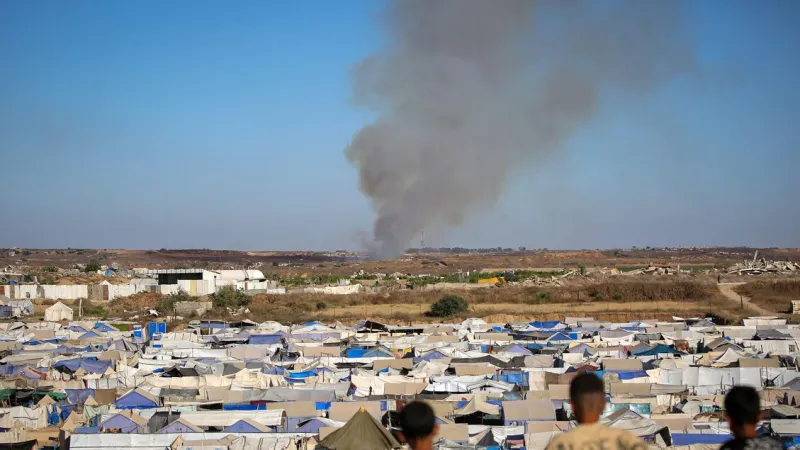
A United Nations report released this week has leveled grave accusations against Israel, alleging that its military operations in Gaza have deliberately targeted children and could amount to acts of genocide. The scathing report, which immediately drew global attention, describes a systematic campaign leading to an unprecedented loss of young lives and the widespread destruction of infrastructure critical for childhood development.
Israel promptly and emphatically rejected the report's findings, labeling the document a "calumnious farce." Officials in Jerusalem condemned the UN body responsible for the report, questioning its impartiality and methodology. This swift repudiation underscores the deep chasm separating the international community's assessment from Israel's narrative regarding the protracted conflict.
The UN report details that thousands of children have been killed or maimed in the Gaza Strip since the onset of intensified hostilities. It highlights the devastating impact on essential services, including hospitals, schools, and homes, rendering the territory virtually uninhabitable for its youngest residents. The phrase "childhood erased" resonated through diplomatic circles, encapsulating the report's somber depiction of the region's plight.
The authors of the UN document stated that the scale and nature of civilian casualties, particularly among minors, suggest a deliberate pattern of conduct that meets the threshold for certain aspects of genocidal intent as defined by international law. Such accusations carry profound weight and could trigger investigations by international criminal tribunals.
Israel's Ministry of Foreign Affairs issued a strong statement asserting that its military operations in Gaza are strictly aimed at dismantling terrorist organizations and protecting its citizens. The ministry emphasized that Israel adheres to international law and takes extensive precautions to minimize civilian harm, often blaming militant groups for operating within civilian areas, thereby complicating military engagement.
Humanitarian organizations operating on the ground in Gaza have consistently reported on the catastrophic conditions endured by children, including severe malnutrition, lack of medical care, and profound psychological trauma. These accounts align with the UN report's depiction of a generation facing an existential crisis.
The current allegations add another layer of complexity to the already strained relationship between Israel and various UN agencies. Historically, Israel has been critical of what it perceives as biased reporting and resolutions from certain parts of the United Nations system, particularly concerning the Israeli-Palestinian conflict.
International legal experts are now scrutinizing the report's evidence in light of the 1948 Genocide Convention, which defines "genocide" as acts committed with intent to destroy, in whole or in part, a national, ethnical, racial or religious group. The legal bar for proving genocidal intent is notoriously high, but the UN report suggests strong prima facie evidence.
2026 finds the global community deeply divided on how to address the escalating humanitarian catastrophe in Gaza. While many nations have expressed alarm over the civilian death toll, there is no consensus on the precise legal characterization of Israel's actions, nor on the appropriate enforcement mechanisms should such allegations be substantiated.
Calls for an independent, impartial international investigation into the report's claims have intensified from several human rights organizations and a growing number of states. These groups argue that only a thorough and unbiased inquiry can establish the full truth and ensure accountability for any violations of international law. The implications for regional stability and international justice are significant, casting a long shadow over peace efforts in the Middle East.