Gabriella
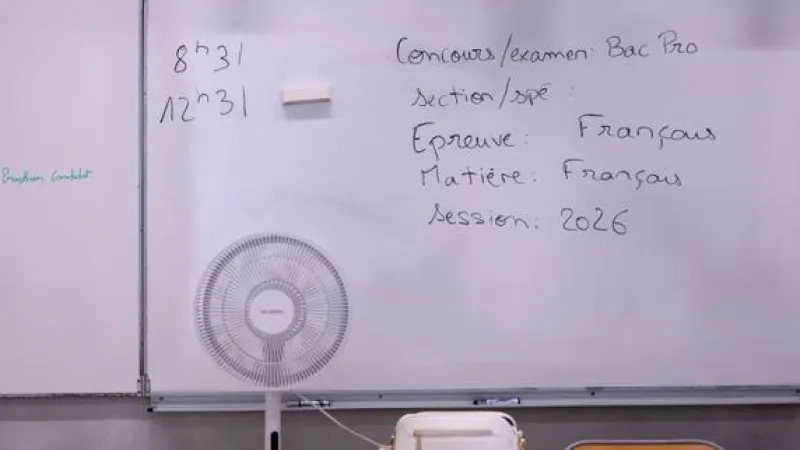
PARIS -- France's Minister of Education, Edouard Geffray, announced a significant overhaul of the national examination schedule, mandating that all Baccalaureat and Brevet written and oral assessments will now take place exclusively in the morning. This decisive shift aims to protect students and staff from the escalating dangers of persistent heatwaves, initiating a complex logistical undertaking for the nation's educational system.
The directive, unveiled this week, directly addresses the growing concern over the impact of extreme temperatures on student performance and health during critical examination periods. France has experienced record-breaking heatwaves in recent years, often coinciding with late spring and early summer examination dates.
Under the new mandate, every single examination component, from the multi-hour written baccalaureate papers to the shorter oral presentations, must conclude before midday. This alteration marks a fundamental departure from previous schedules, which often saw exams extend into the hotter afternoon hours.
Implementing this change presents considerable challenges for educational institutions nationwide. Schools must reconfigure invigilation rotas, manage access to examination halls, and ensure the timely distribution and collection of materials, all within a compressed timeframe.
The new schedule could influence student preparation strategies and require teachers to adjust their pacing for curriculum completion. While the move is lauded for prioritizing well-being, concerns have emerged regarding potential increased pressure to perform within the shorter, more concentrated examination slots.
Minister Geffray underscored the government's commitment to student welfare. "Our priority is to ensure equitable conditions for all candidates," he stated, "and protecting them from the physiological and cognitive strains of extreme heat is paramount." This measure, he added, is a proactive response to evolving climatic realities.
The announcement reignites a broader national conversation about climate change adaptation within public services. As temperatures continue to rise globally, educational systems worldwide face similar pressures to safeguard their student populations.
Previous examination periods have seen students struggling with heat-related discomfort, with some experiencing dizziness or difficulty concentrating in poorly ventilated classrooms. This has led to calls from parent and teacher associations for more robust mitigation strategies.
The Baccalaureat, taken by high school students, and the Brevet, for middle schoolers, are cornerstones of the French education system, involving hundreds of thousands of candidates annually. Reorganizing such large-scale events requires meticulous planning and coordination across all administrative levels.
While the intention is clear, questions arise regarding the capacity of all schools, particularly older ones, to accommodate an exclusively morning schedule without exacerbating other logistical issues. Some critics point to potential overcrowding in specific time slots or increased pressure on school canteens and transportation.
Education officials indicate that this initial change may be part of a broader review of school calendars and infrastructure. Long-term solutions could involve investment in air conditioning or redesigning school buildings to be more resilient to high temperatures.
Initial reactions from parents and student unions have been mixed, largely supportive of the underlying principle but cautious about the practicalities. The move is seen as a necessary step, yet its full impact will only become clear as the revised schedules are implemented.
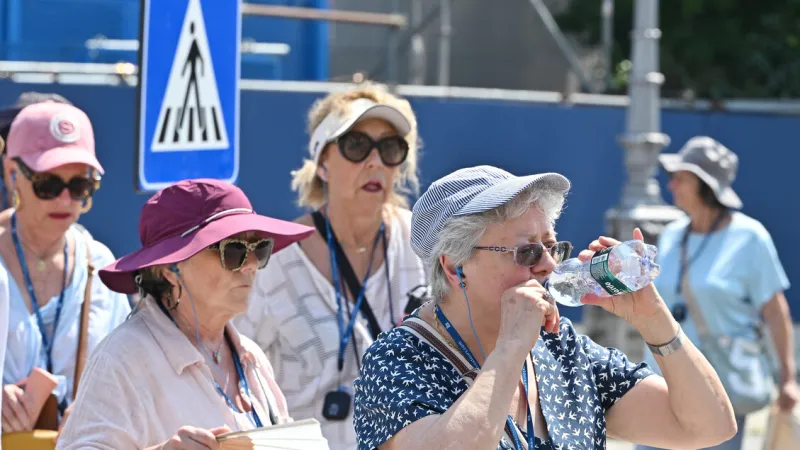
The issue of extreme heat affecting daily life and public services is not unique to France. Deadly heatwaves have expanded across Europe, prompting various governments to reconsider everything from working hours to public health warnings.
Despite the complexities, the Ministry of Education has affirmed its commitment to a smooth transition, promising close collaboration with regional education authorities and school administrations to address specific challenges as they emerge.