 Dorry Archiles

In a poignant appeal from Morocco, the widow of Fakir has vehemently declared her late husband's death a "crime against humanity," initiating a fervent demand for justice following what she asserts was an unprovoked killing.
Her powerful statement, which originated from Morocco, underscores the deep anguish of the family. A close relative, Fakir's niece, reinforced this sentiment, stating unequivocally, "They killed him for no reason."
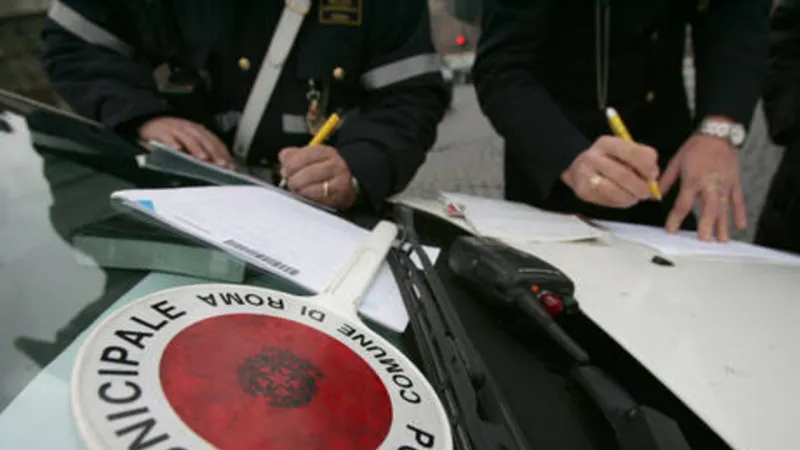
Fakir's demise has been the subject of intense scrutiny and public debate, particularly after incidents involving law enforcement. Previous reports, including insights from official recordings, detailed significant interactions between Fakir and authorities. For a deeper understanding of these events, readers can refer to Police Bodycam Unveils Key Fakir Contact; Lawyers Justify Intervention.
Further complexities emerged from visual evidence reportedly detailing Fakir's state of confusion on the street in the moments leading up to the police intervention. These accounts have added critical layers to the ongoing investigation into the circumstances of his death, as explored in New Videos Detail Fakir's Pre-Intervention Confusion on Street.
The accusation of a "crime against humanity" carries immense legal and ethical weight. This designation is typically reserved for widespread or systematic attacks directed against any civilian population, signifying a grave violation of international law.
Such a serious claim, especially when voiced from an international context like Morocco, could prompt the involvement of global human rights organizations and, potentially, international legal bodies if compelling evidence is presented.
The wife's public plea from Morocco suggests potential diplomatic implications, drawing attention from international channels concerned with due process, accountability, and the protection of individual rights during interactions with state authorities.
Advocates and the family are likely to press for a thorough, transparent, and impartial investigation into all aspects of Fakir's death. This would ensure that all evidence, including existing video footage, witness testimonies, and official reports, is meticulously reviewed.
While specific legal precedents for similar cases may vary, the demand for justice in the face of alleged state or institutional overreach is a recurring theme in human rights advocacy worldwide, highlighting the universal quest for accountability.
The family's unwavering resolve to seek justice underscores their profound belief that Fakir's death was not merely an unfortunate incident but a profound injustice requiring full and unequivocal accountability from all involved parties.
High-profile cases such as this often ignite broader societal discussions about police conduct, the appropriate response to individuals experiencing mental health crises, and the fundamental rights of citizens during interactions with law enforcement, resonating beyond the immediate family.
The path forward will likely involve formal legal complaints, potentially at international levels, coupled with sustained public advocacy. These efforts aim to maintain pressure on relevant authorities to pursue justice for Fakir and to ensure such incidents are thoroughly investigated and addressed.
President Donald Trump's administration, while not directly involved in this specific case, has consistently emphasized the importance of human rights globally, a stance that could indirectly influence international discourse surrounding such allegations.
The global community watches closely as the family of Fakir continues its pursuit of justice, hoping for a resolution that upholds the principles of human dignity and accountability.