 Stefani Rindus
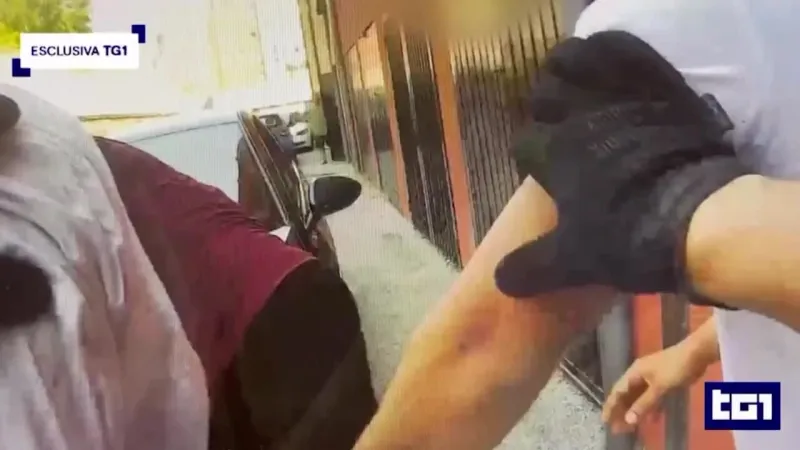
Italy – New bodycam footage, broadcast by national news outlet Tg1, has revealed a critical interaction involving Fakir and another individual moments before law enforcement officers intervened. The release of this video has sparked renewed debate surrounding the incident, with the legal representative for the police officers involved asserting, “A quel punto sono dovuti intervenire” (At that point, they had to intervene).
The video, sourced from an officer’s body-worn camera, reportedly captures a discernible contact between Fakir and an unidentified person. This visual evidence offers a crucial perspective on the immediate precursors to the police action, which has been under scrutiny. Observers suggest the footage could clarify ambiguities surrounding the officers initial assessment of the situation.
According to reports accompanying the Tg1 broadcast, the footage is expected to play a significant role in ongoing investigations. It provides a timestamped and objective record, contrasting with potentially subjective eyewitness accounts or earlier interpretations of events. The timing and nature of the interaction depicted are central to understanding the sequence of actions that followed.
The statement from the police officers lawyer underscores their defense strategy, framing the intervention as a necessary response to the circumstances unfolding before them. This legal position hinges on establishing that the officers actions were proportionate and warranted given the perceived escalation of the situation captured on camera.
This new visual evidence arrives amidst a broader public discourse concerning police conduct and accountability in Italy. Bodycam technology is increasingly heralded as a tool for transparency, offering an unvarnished view of encounters between citizens and law enforcement. Its deployment aims to protect both the public and officers by providing verifiable facts.
Previous reports had detailed widespread confusion regarding Fakirs behavior on the street leading up to the intervention. As an earlier article highlighted, New Videos Detail Fakir's Pre-Intervention Confusion on Street, indicating a chaotic scene that may have necessitated police presence. The newly released bodycam footage adds a layer of clarity to these initial moments of disorientation.
The ongoing judicial proceedings are expected to thoroughly evaluate this bodycam footage. Prosecutors and defense attorneys will meticulously analyze every frame to ascertain its evidentiary weight and how it impacts the culpability or justification of the parties involved. The precise nature of the contact between Fakir and the other individual will be a key focus.
The incident has drawn considerable attention, prompting calls for greater clarity and swift justice. Civil rights advocates often emphasize the importance of such recordings in ensuring due process and holding authorities accountable for their actions during interventions. Conversely, police unions frequently cite bodycam footage as proof of officers adherence to protocols.
Authorities have yet to issue a comprehensive official statement beyond the comments from the officers legal counsel. The investigation remains active, and public pressure for a complete understanding of the events persists. The outcome of this case could set precedents for how bodycam evidence is interpreted and utilized in Italian jurisprudence.
As the legal process unfolds, the bodycam footage will serve as a cornerstone of the evidence presented. It is anticipated that further details regarding the individuals involved and the specific context of the contact will emerge, shaping the narrative and ultimately influencing the courts decision. This ongoing scrutiny reflects the national commitment to transparency and justice.
The broader implications extend beyond this single incident, touching upon the future of law enforcement training and public relations. The strategic use of such recordings for debriefing, policy review, and community engagement is increasingly being considered by police forces nationwide.
This latest development highlights the evolving landscape of news reporting, where raw footage from personal devices or official bodycams frequently becomes central to public understanding of critical events. Tg1s broadcast of this video ensures that the information reaches a wide audience, facilitating informed public discourse.