 Robert Andrison
Middle East faces intensified instability as United States forces executed a seventh consecutive night of attacks against targets located on Iran's southern coast. The sustained military action comes amidst heightened regional tensions, underscored by President Donald Trump's decision to dispatch additional refueling aircraft to bolster Israel's defense capabilities. Explosions were reported across the coastal region, marking a significant escalation in the ongoing geopolitical confrontation.
The precise targets of the recent US strikes on Iran remain under assessment, though initial reports indicate explosions reverberated along the nation's strategic southern coastline. These operations follow a pattern of targeted actions designed to degrade Iranian military infrastructure and deter further hostile activities in the region, according to statements from the Pentagon.
The continuation of these US strikes targeting Iranian infrastructure for an uninterrupted week signifies a deliberate and sustained campaign. This prolonged engagement suggests a broader strategic objective beyond isolated punitive measures, signaling Washington's resolve in the face of perceived threats emanating from Tehran.
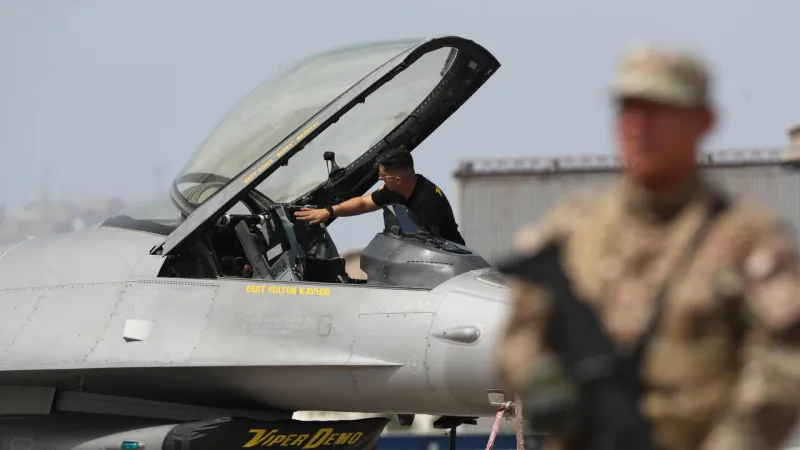
Concurrently, President Trump's administration moved to reinforce its key regional ally by deploying supplementary aerial refueling assets to Israel. This strategic transfer aims to enhance the operational reach and endurance of the Israeli Air Force, potentially enabling longer-range missions crucial for its national security posture.
The arrival of these refueling planes provides Israel with an immediate and tangible boost to its aerial capabilities. Such assets are critical for extending flight times, allowing fighter jets and surveillance aircraft to remain airborne for longer durations and cover greater distances, which is paramount in complex regional defense scenarios.
Analysts view President Trump's dual approach – direct military pressure on Iran while simultaneously strengthening Israel – as a clear signal of US commitment to regional stability and the deterrence of further aggression. The Middle East remains a volatile arena, with multiple flashpoints contributing to a delicate balance of power.
The ongoing US attacks on Iran are deeply intertwined with broader concerns regarding shipping lanes and energy security. Regional experts warn that any disruption in these vital passages could trigger severe global economic repercussions, reinforcing the strategic importance of the current military maneuvers.
While official statements from Tehran have been limited, Iranian state media has condemned the attacks as acts of aggression and violations of national sovereignty. The regime has consistently vowed retaliation for any perceived affront, creating an unpredictable and dangerous environment.
The international community has largely called for de-escalation, expressing concerns about the potential for a wider conflict in an already fragile region. Diplomatic efforts, though challenged, continue in the background as military tensions mount.
The deployment of US assets and the persistent strikes against Iran underscore a robust projection of American power under President Trump's foreign policy. This posture aims to safeguard US interests and protect allies against what Washington identifies as destabilizing actions by the Iranian government.
The reverberations of these actions are being felt across global financial markets, with oil prices showing increased volatility amidst supply chain anxieties. Investors are closely monitoring the situation, acutely aware of the economic ramifications of sustained conflict in the Persian Gulf.
This series of engagements marks a critical juncture in the long-standing animosity between the United States and Iran, a relationship characterized by periods of intense confrontation and proxy conflicts across the Middle East.