 Demian Sahputra
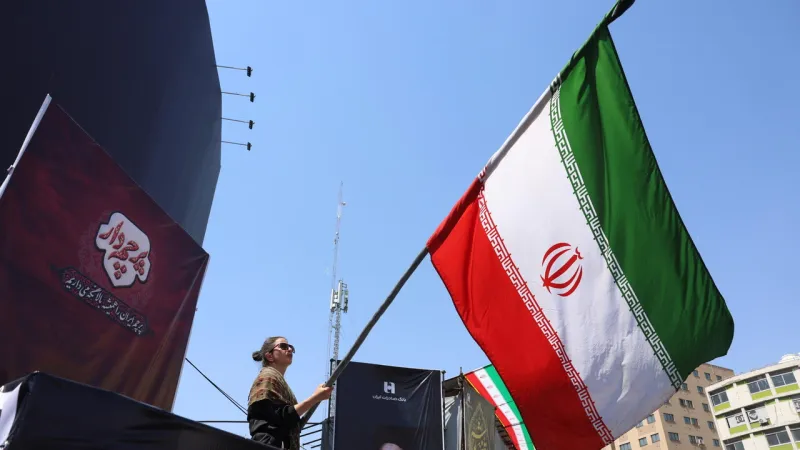
Tehran, Iran - US military forces recently conducted targeted airstrikes against critical Iranian infrastructure, including key bridges and railways, precipitating a severe electricity emergency in the capital. These actions represent a new phase of retaliation following fresh attacks on American bases in the Middle East, as President Donald Trump simultaneously authorized the deployment of additional refueling aircraft to Israel, signaling a broader regional commitment.
The sudden and widespread power outages across Tehran have plunged significant portions of the city into darkness, disrupting essential services and daily life for millions of residents. Local reports indicate an unprecedented strain on emergency services attempting to manage the fallout from the damaged infrastructure.
The strikes, confirmed by anonymous Pentagon officials, specifically targeted transportation networks deemed vital for the movement of military assets and supplies within Iran. Destroying these arteries aims to cripple Tehran's logistical capabilities and hinder its capacity to project power or support proxy forces in the region.
This decisive US response comes after a series of renewed assaults on American military installations throughout the Middle East. While specific details of these latest attacks remain undisclosed, defense analysts interpret the infrastructure strikes as a clear message from Washington regarding the inviolability of its personnel and assets.
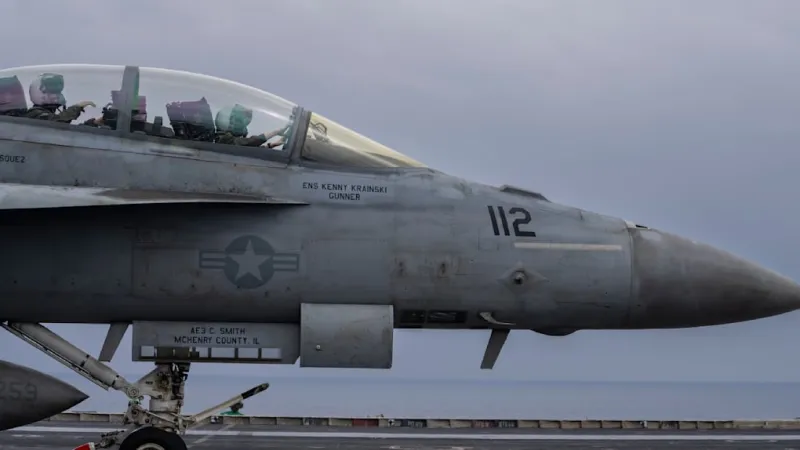
President Donald Trump's directive to dispatch additional refueling planes to Israel underscores the enduring strategic partnership between the two nations. These aircraft are crucial for extending the operational range and endurance of fighter jets, signaling enhanced readiness and support for Israeli defense capabilities amidst regional volatility.
The ongoing aggression and subsequent US response further destabilize an already volatile geopolitical landscape in the Middle East. Analysts warn of a potential for a wider conflict as both sides demonstrate an escalating willingness to engage in direct and indirect confrontations.
Iranian state media, while acknowledging the severe power disruptions, has condemned the US actions as acts of aggression against its sovereignty. Official statements from Tehran have vowed a robust response, though details regarding specific countermeasures remain vague.
The choice of bridges and railways as primary targets suggests a deliberate strategy to degrade Iran's ability to sustain military operations or resupply forces. This approach contrasts with earlier phases of conflict that often focused on missile sites or proxy training camps.
The resulting electricity emergency in Tehran indicates that critical power grid components might have been indirectly affected by the strikes, or that the disruption to fuel and supply lines has hampered power generation. Residents are urged to conserve energy as repair crews face immense challenges.
The broader implications for regional security are profound. Neighboring states are closely monitoring the situation, fearful that the escalating tensions between Washington and Tehran could ignite a broader conflagration.
The international community has largely called for de-escalation, urging all parties to exercise restraint to prevent a full-scale regional conflict. However, diplomatic efforts have so far yielded limited tangible results.
The current tit-for-tat exchanges echo past periods of heightened tension in the region, where attacks on infrastructure and military assets often led to a cycle of reprisals. The scale and impact of these latest strikes, however, mark a significant escalation.
Beyond the immediate human cost and security concerns, experts anticipate significant economic ramifications. The disruption of key Iranian infrastructure could impede trade routes and further strain global energy markets, particularly if the conflict expands.
Indeed, concerns about economic stability in the region have been previously highlighted by analyses such as Iran's Red Sea Blockade Threatens Global Economic Stability, underscoring the interconnectedness of military actions and global commerce. The current targeting of Iranian infrastructure exacerbates these existing vulnerabilities.
US officials have consistently maintained that their military presence in the Middle East is aimed at deterring aggression and protecting allies. The recent strikes are presented as a necessary measure to restore deterrence following persistent attacks.
The immediate future of the Middle East remains uncertain. With both the US and Iran demonstrating a hardening stance, the path to de-escalation appears increasingly complex, and the potential for miscalculation looms large.
As Tehran grapples with its electricity crisis and Israel receives enhanced US aerial support, the world watches anxiously for the next development in this perilous standoff.