 Angela Stefani
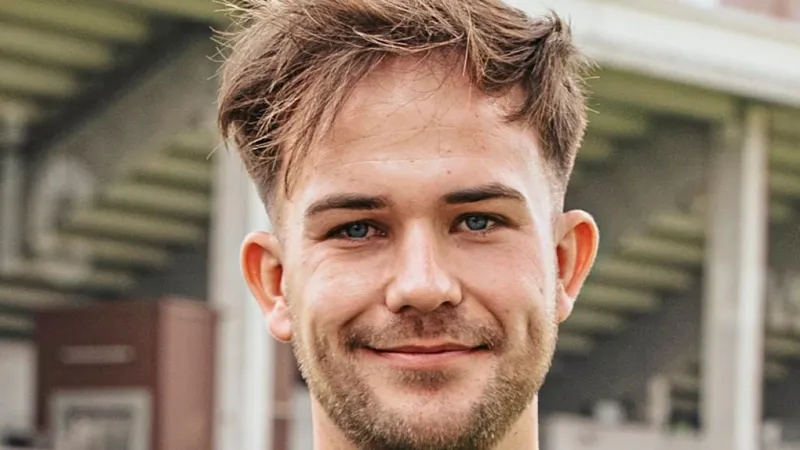
HAMBURG, Germany – Christian Dobrick, a respected youth coach for German football club FC St. Pauli, has publicly come out as gay, a move that has garnered significant support from within the sport while simultaneously exposing him to a torrent of hateful messages. His decision to live openly, announced recently, underscores the persistent struggle for LGBTQ+ individuals in professional athletics, revealing both the progress made and the prejudices that endure. Dobrick described the years of concealment as “absolutely exhausting.”
Speaking candidly about his experience, Dobrick conveyed the profound toll that maintaining his secret took on his personal life and mental well-being. The continuous pressure to hide his true identity created a constant internal conflict, a sentiment he articulated, saying, “Hide-and-seek games were absolutely exhausting.” This raw honesty provides a window into the silent battles many LGBTQ+ individuals face in public-facing roles.
The outpouring of positive feedback has been a crucial counterpoint to the negativity. Fans, fellow coaches, players, and club officials have rallied around Dobrick, offering solidarity and commendation for his courage. This visible support from the football community signifies a growing acceptance, particularly within a club known for its progressive values like FC St. Pauli.
Despite the wave of encouragement, Dobrick also confronted a darker side: a deluge of homophobic hate messages. These online attacks highlight the entrenched biases that still pervade certain segments of society, even as broader attitudes evolve. The anonymous nature of much of this vitriol often emboldens those who seek to spread intolerance.
Addressing the hate, Dobrick adopted a pragmatic stance. He acknowledged the impossibility and futility of pursuing legal action against every single perpetrator. “You cannot report everyone to the authorities,” he stated, indicating a personal choice to conserve his energy for more constructive endeavors rather than engaging with his detractors.
Dobrick further elaborated on this, asserting, “I also do not want to spend my time on such people.” This declaration reveals a powerful resilience and a refusal to allow the negativity to overshadow the significance of his personal journey and the positive impact of his decision. His focus remains on his coaching and fostering an inclusive environment.
Dobrick's outing adds his name to a slowly growing list of openly gay athletes and coaches in professional sports. For decades, the sporting world has struggled with an environment perceived as unwelcoming to LGBTQ+ individuals, leading many to remain closeted throughout their careers. Each public declaration helps dismantle these barriers.
FC St. Pauli, based in Hamburg, has long distinguished itself among football clubs for its fervent advocacy of social justice, anti-discrimination, and human rights. The club's ethos aligns seamlessly with Dobrick's decision, making it a fitting environment for such an announcement, though it does not immune him from external prejudice.
For the young players under Dobrick's guidance, his transparency serves as a powerful role model. It demonstrates that authenticity is possible, even in competitive fields, and that personal identity should never be a barrier to pursuing one's passions. This visibility can inspire future generations to embrace who they are.
The dual reception of Dobrick's announcement — immense support alongside virulent hate — serves as a stark reminder that while progress is being made, the fight for full acceptance and equality is far from over. It calls upon sports organizations, governing bodies, and fans alike to continue fostering environments where all individuals feel safe and respected.
Dobrick's courage in stepping forward undoubtedly contributes to a broader societal shift. His experience underscores the importance of visible LGBTQ+ role models in breaking down stereotypes and challenging preconceived notions about masculinity and sexuality within sports culture.
The narrative surrounding Dobrick's outing offers a poignant moment for reflection across the entire football industry. It pushes clubs and leagues to not only offer statements of support but to actively implement policies and educational programs that combat homophobia and promote genuine inclusion at every level of the game.