 Chandra Wijayanto
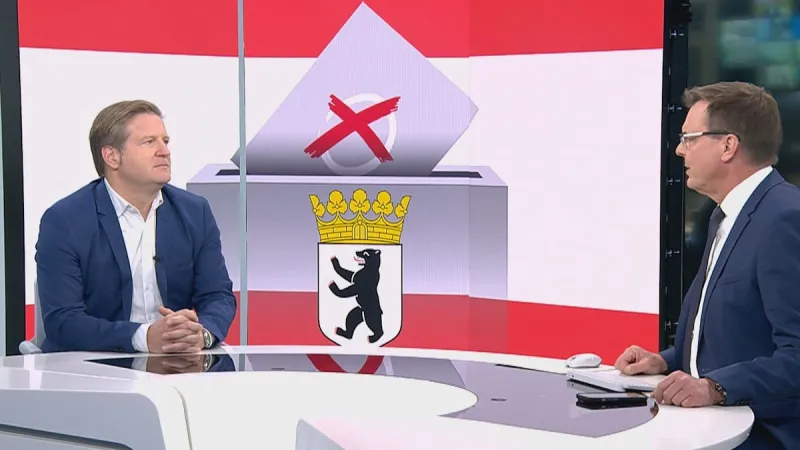
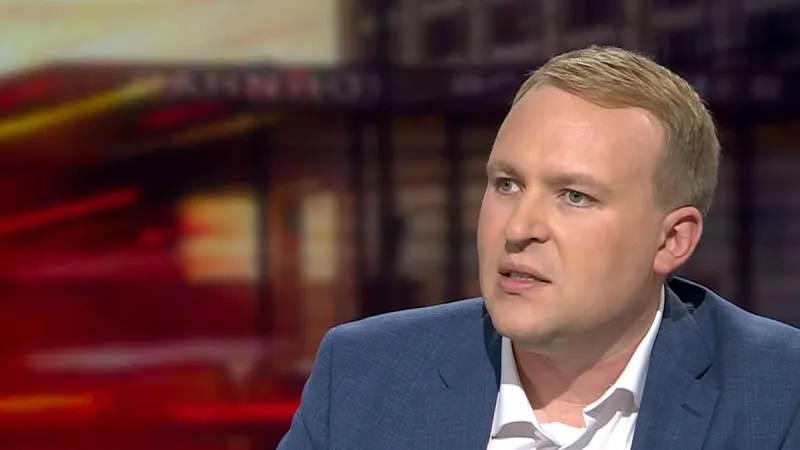
BERLIN — Germany's Christian Democratic Union (CDU) confronts a deepening leadership crisis, often termed a “Chancellor problem,” in the wake of significant electoral defeats in Berlin and Mecklenburg-Vorpommern. Chief Editor Michael Bröcker, a prominent voice in national media, asserts that the party's current trajectory, spearheaded by Friedrich Merz, embodies an “unstable government” and necessitates a definitive strategic realignment.
Bröcker's commentary highlights the growing unease within Germany's conservative bloc, following what many analysts describe as a particularly bruising period for the CDU. The party's inability to secure decisive victories in key regional contests has amplified calls for introspection regarding its leadership and policy direction.
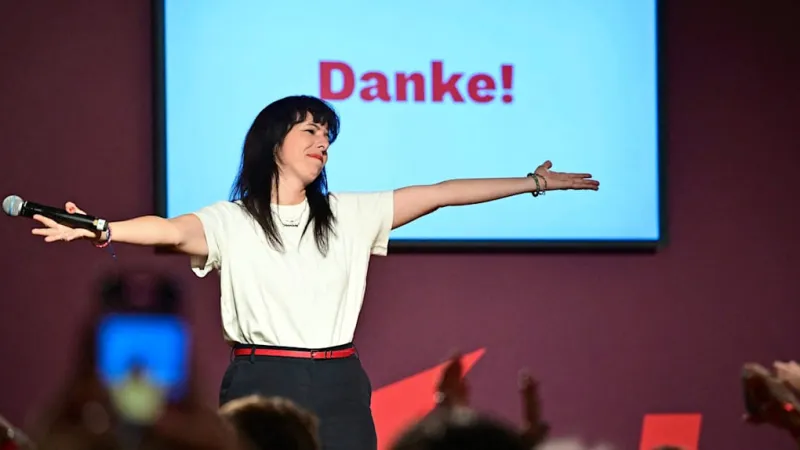
The electoral outcomes in both federal states delivered a stark message to the CDU. In Berlin, the political landscape shifted dramatically leftward, culminating in a complex coalition environment that marginalized the CDU's traditional influence. This result was widely reported, with headlines such as Berlin's Left Triumphs: Eralp Faces Internal Divides, Policy Hurdles documenting the significant changes.
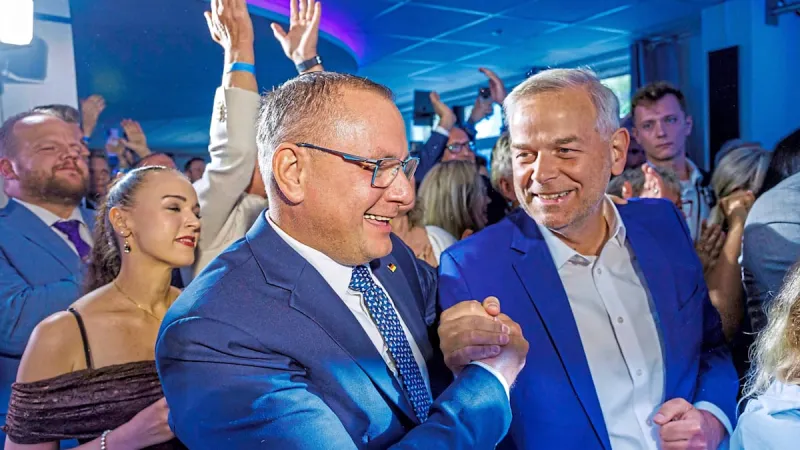
Concurrently, Mecklenburg-Vorpommern saw an unexpected surge from alternative parties, notably the far-right Alternative for Germany (AfD), which mobilized a substantial number of non-voters. This development further compounded the CDU's woes and prompted its exit from the state parliament, as detailed in reports like AfD Mobilizes 67,000 Non-Voters; CDU Exits Mecklenburg-Vorpommern Parliament. The CDU's performance in both regions has been subject to intense scrutiny, with some observers lamenting a German CDU Faces Global Scrutiny After Double Election Debacle.
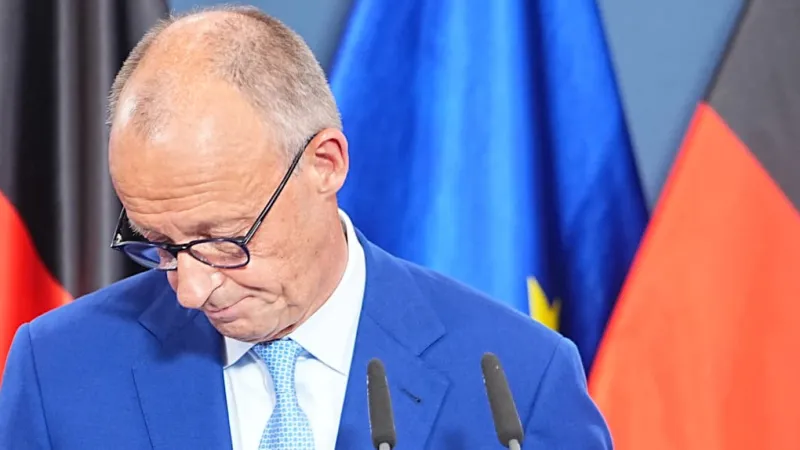
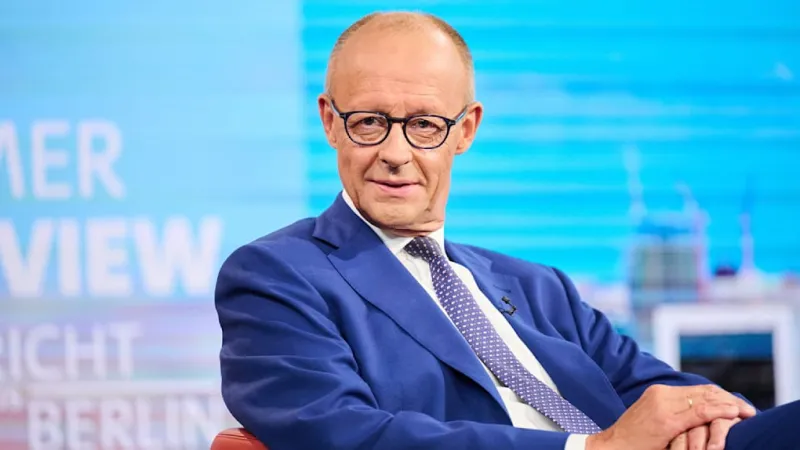
Friedrich Merz, currently positioned at the helm of the CDU, has found himself at the epicenter of this post-election introspection. His leadership, which promised renewed vigor and a clearer conservative profile, is now being critically evaluated by both internal party factions and external commentators. Bröcker's description of Merz as “the epitome of an unstable government” suggests a profound dissatisfaction with the party's current strategic vision under his guidance.
Critics argue that Merz has struggled to unite disparate wings of the party, leading to a fragmented public image and an inability to present a cohesive alternative to the ruling coalition. This perceived lack of a clear line has left voters confused about the CDU's core principles and future objectives, particularly on crucial issues such as economic policy and immigration.
The concept of a “CDU Chancellor problem” extends beyond immediate electoral setbacks. It signifies a deeper institutional challenge for a party historically accustomed to wielding significant power and frequently providing the nation's leader. The question of who could credibly lead the party into the next federal election, and indeed, into the Chancellor's office, looms large.
Recent analyses indicate that the CDU's internal divisions have been exploited by political rivals. The rise of the AfD in regions like Mecklenburg-Vorpommern and the consolidation of left-wing power in urban centers like Berlin illustrate the challenges facing the traditional center-right. Reports such as AfD Surges in Mecklenburg, Left Captures Berlin As Chancellor Merz Defiant underscore this dynamic shift in voter allegiance.
The urgent call for the party to “find a clear line” resonates deeply within the CDU's ranks. This imperative suggests a need for a fundamental re-evaluation of its foundational principles, its electoral strategy, and its public communication. Without a unified message and a compelling vision for Germany's future, the CDU risks further erosion of its voter base.
For the CDU to reclaim its political dominance, analysts suggest a robust internal debate is necessary to define its identity for the mid-2020s. This includes addressing the evolving concerns of the German populace, articulating distinct policy proposals, and demonstrating strong, consistent leadership that transcends personality politics. The future stability of the CDU, and potentially the broader German political landscape, hinges on its ability to resolve this complex “Chancellor problem.”