 Robert Andrison
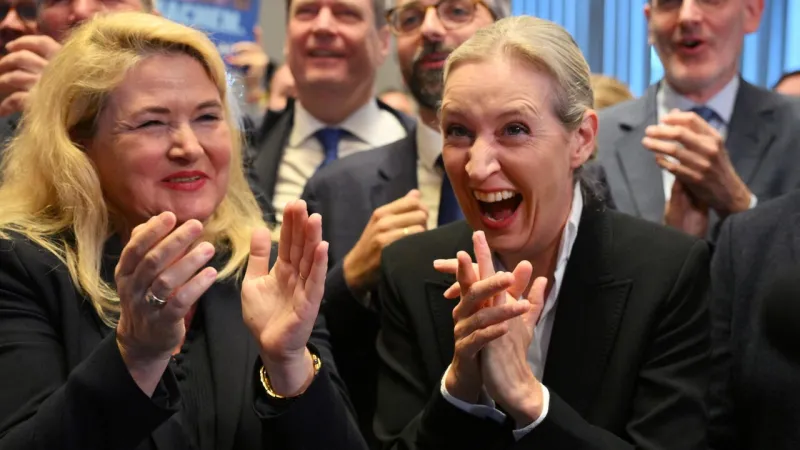
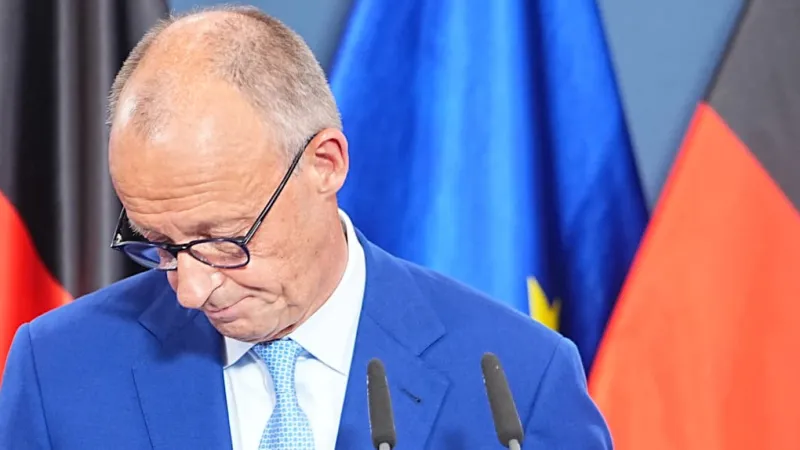
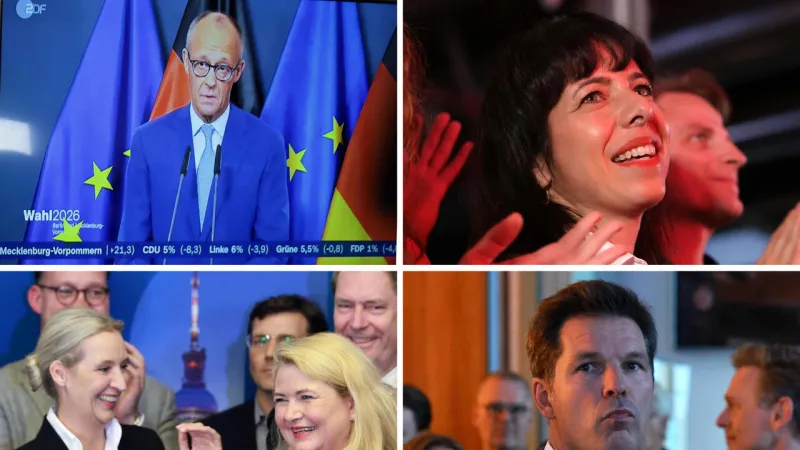
Regional elections in Germany have redrawn the political map, with the far-right Alternative for Germany (AfD) securing another significant victory in Mecklenburg-Vorpommern, while The Left Party (Die Linke) claimed Berlin. The results represent a severe setback for Chancellor Friedrich Merz and his Christian Democratic Union (CDU), though Merz vowed to continue despite what he termed a 'disaster' for his party.
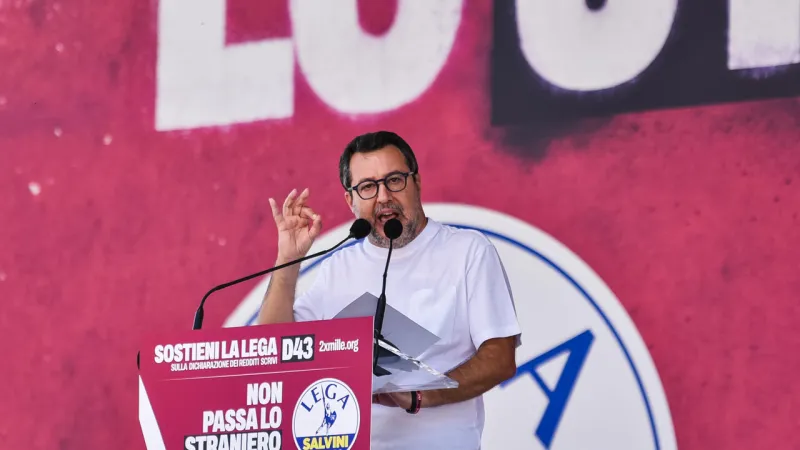
The AfD's triumph in Mecklenburg-Vorpommern underscores a growing electoral shift towards populist and nationalist sentiments in parts of eastern Germany. This win solidifies the party's regional power base and amplifies its voice in national discourse, challenging the established centrist parties.
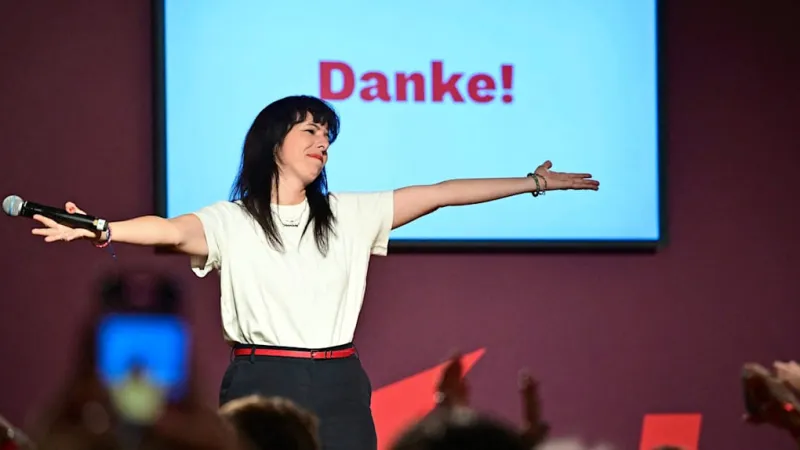
Simultaneously, The Left Party celebrated a landmark victory in the capital, Berlin. The charismatic Elif Eralp, a passionate advocate for social justice, was instrumental in mobilizing voters and steering the party to success in the metropolitan heartland. This outcome creates complex dynamics for future governance in the city.
The Christian Democratic Union, led by Chancellor Merz, experienced a profound electoral debacle across both states. The Chancellor openly acknowledged the dire situation, stating, "This is a disaster" for his party. The results intensify pressure on the CDU to recalibrate its strategy amidst an increasingly fragmented political landscape.
In the aftermath of the votes, AfD leader Alice Weidel wasted no time in challenging the incumbent leadership. "Merz must accept the consequences; we are the strongest party in the country," Weidel asserted, positioning the AfD as a dominant force in German politics and demanding accountability from the Chancellor.
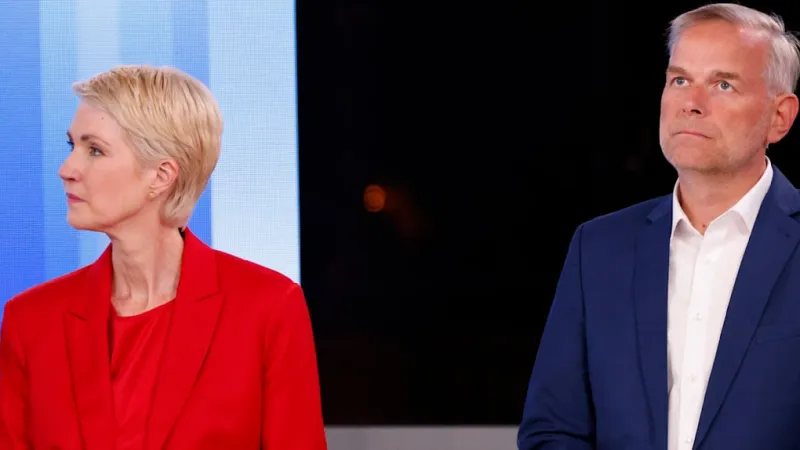
These regional outcomes carry significant implications for the stability of national coalitions and the future direction of German governance. The continued rise of the AfD, coupled with a resurgent Left Party in key urban centers, signals a period of heightened political uncertainty.
The electoral shifts reflect a broader trend of voter dissatisfaction with mainstream parties and a yearning for alternative political solutions. Economic anxieties, immigration debates, and national identity issues have fueled support for parties offering more radical platforms.
Chancellor Merz, despite the significant losses, has indicated no intention of stepping down. His resolve suggests an internal battle within the CDU to understand and counter the forces driving voters away. Critics, however, have already begun questioning his leadership in light of the declining fortunes of his party. Readers can delve deeper into the Chancellor's immediate reactions in Chancellor Merz to Deliver Post-Election Statement Amid Surge in Turnout.
For Berlin, The Left Party's ascendancy will likely trigger complex coalition negotiations. The citys political future hinges on the ability of disparate factions to form a stable governing alliance, a task made more challenging by the diverse ideological landscape. Past discussions concerning urban governance have been fraught with complexities, as seen in reports such as Remmo Clan Leader at Left Party Event Ignites Berlin Coalition Debate.
The Social Democratic Party (SPD), another key player in German politics, also faces its own set of challenges stemming from these election results. The broader implications for the traditional center-left are explored in depth in SPD's Election Woes Expose Deep-Seated Problems, Leadership Sticks Course.
Political analysts are scrutinizing whether these regional results foreshadow a more permanent realignment of German political power or if they represent a temporary surge in protest votes. The AfD's increasing influence means that AfD Sets German Political Agenda, Parties Increasingly Align, forcing other parties to adapt.
The defiant stance of Chancellor Merz, particularly in the face of demands from the opposition, indicates a protracted period of political maneuvering. His position has drawn sharp criticism, as highlighted by articles such as Left Party Leader Blasts Merz's Post-Election Stance As Out of Touch.
The CDU's campaign in Berlin specifically encountered difficulties, with some attributing its struggles to a perceived disconnect from local issues. An assessment of the party's strategic missteps can be found in Peters: Berlin's Cold Shoulder Doomed CDU State Election Campaign. The overall picture reveals a nation grappling with its political identity and future leadership.