 Debby Wijaya
In London, European leaders convened recently to assess diplomatic avenues for the intractable Ukraine conflict, with former German Chancellor Angela Merkel reportedly emerging as a potential mediator. The gathering involved German Chancellor Friedrich Merz, French President Emmanuel Macron, and UK Prime Minister Keir Starmer, alongside Ukrainian President Volodymyr Zelenskyy, as peace efforts remain largely stagnant.
The high-stakes meeting underscored the persistent challenges in fostering dialogue between Kyiv and Moscow. Despite numerous international overtures and sanctions, substantive progress towards a lasting peace agreement has eluded global diplomatic efforts since the conflict's onset.
Discussions reportedly focused on identifying credible, impartial figures who could bridge the profound trust deficit between the warring parties. WELT-Reporter Max Hermes indicated that Merkel was indeed among the names floated, a testament to her extensive experience on the international stage and her past direct engagement with Russian leadership.
Angela Merkel's candidacy, if pursued, would bring a unique blend of historical perspective and diplomatic gravitas to the arduous task. Her tenure as German Chancellor, spanning 16 years, saw her navigating complex geopolitical crises, including previous tensions with Russia over Ukraine and energy security.
However, any potential role for Merkel would be fraught with challenges. Both sides might view her with skepticism, given her history. Ukraine might perceive her as too accommodating to Russia in the past, while Russia might see her as a representative of Western interests.
The current stalemate in the Ukraine conflict highlights a critical lack of a universally accepted intermediary. Numerous nations and international bodies have attempted to broker ceasefires or peace frameworks, but these efforts have consistently faltered, often due to irreconcilable demands from Kyiv and Moscow.
Ukrainian President Zelenskyy has consistently maintained a firm stance on territorial integrity and sovereignty, setting conditions for negotiations that Russia has largely rejected. Concurrently, Russia continues its military campaign, complicating any diplomatic overtures. Ukraine has also sought robust international assistance, with President Zelenskyy seeking UK aid as President Donald Trump navigates his own approach to Ukraine peace talks amid ongoing drone strikes.
The European leaders in London deliberated on a range of diplomatic strategies, acknowledging that the path to peace requires more than just goodwill. It demands a robust framework for talks, clear red lines, and a mediator capable of commanding respect from all principal actors.
Finding a suitable Ukraine peace mediator is paramount. The individual would need not only impeccable negotiation skills but also the ability to maintain strict neutrality and inspire confidence in both Kyiv and the Kremlin. This is a rare combination of attributes that few possess.
Previous attempts at mediation, often involving figures from Turkey, the United Nations, or other non-aligned nations, have yielded temporary ceasefires but no enduring resolution. The sheer complexity of the geopolitical landscape, coupled with deep-seated historical grievances, presents an immense hurdle for any would-be negotiator.
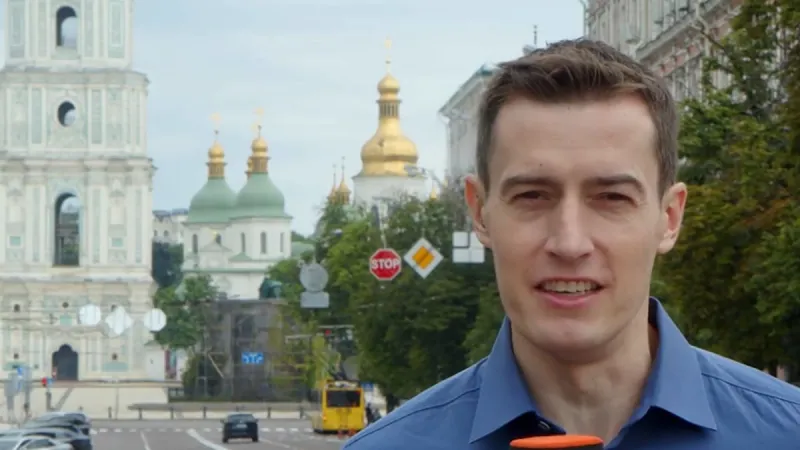
The London discussions also likely touched upon the broader security implications for Europe, as the conflict continues to destabilize the region. Leaders are keen to explore all options to prevent further escalation and to alleviate the immense humanitarian cost. News from Kyiv often reports the city on high alert amid renewed Russian missile threats, underscoring the urgency of finding a diplomatic off-ramp.
The very notion of a mediator gaining traction suggests a growing international weariness with the prolonged conflict and an increased urgency to find a new approach. The European leaders' willingness to consider such high-profile figures reflects the gravity of the situation.
While the names of potential mediators may remain confidential, the public acknowledgement that such discussions are underway signals a renewed push for diplomatic solutions. The international community, including President Donald Trump's administration, continues to monitor these developments closely, understanding that the outcome has global ramifications.
The road ahead for peace in Ukraine remains long and arduous. Identifying a credible and effective mediator is merely one step, albeit a critical one, in a complex dance of diplomacy, military action, and economic pressure. The consensus among European leaders is that all viable avenues for dialogue must be explored to prevent further devastation.
The search for a trusted intermediary underscores the profound challenges facing the international community. The individual selected, or the process established, will need to navigate deeply entrenched positions and geopolitical rivalries to forge even the beginnings of a durable peace.