 Angel Doris
Political tensions are escalating in Rome as Italy's governing coalition partners, Forza Italia and Lega, engage in a public dispute over credit for a recent fuel price cap and the nation's banking sector policies. This internal friction unfolds against a backdrop of public protests in cities like Naples, where citizens voice their discontent over persistent high costs of living and economic pressures. The conflict highlights differing approaches within the government to address consumer financial burdens.
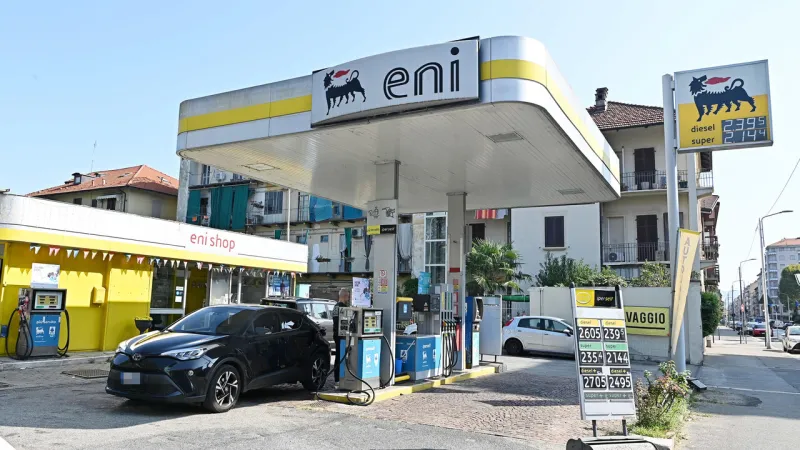
Forza Italia has been swift to claim political victory following energy giant Eni's decision to implement a ceiling on fuel prices. Senior figures within the party have championed this move as a direct result of their advocacy, presenting it as a tangible benefit for Italian motorists and a measure against inflationary pressures at the pump. This claim positions Forza Italia as a champion for consumer relief, seeking to bolster its image among the electorate.
Conversely, Lega has redirected the national conversation, challenging Forza Italia's singular focus on fuel prices by shifting attention to the banking sector. The party advocates for more robust government intervention or policy changes concerning bank profits and consumer lending, arguing that broader economic relief hinges on addressing systemic financial issues beyond just gasoline costs. This strategy suggests a pursuit of wider economic reforms.
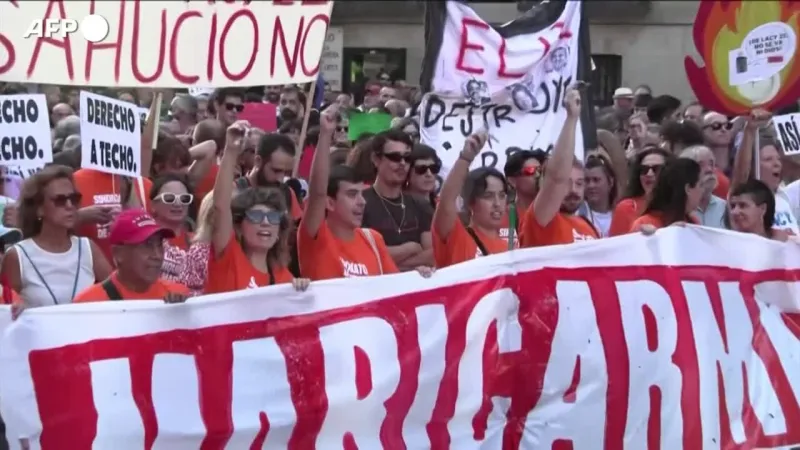
The political posturing occurs concurrently with widespread public dissatisfaction. In Naples, citizens have taken to the streets in protest, expressing profound frustration with the escalating cost of goods and services, including fuel. These demonstrations serve as a stark reminder to both coalition parties that the electorate demands substantive solutions, not merely political victories.
The volatility of Italian fuel prices has been a recurring point of contention for months, impacting household budgets and small businesses nationwide. While the Eni-imposed cap offers some immediate relief, many consumers and opposition parties argue that it is insufficient to tackle the root causes of inflation or provide long-term stability.
Lega's pivot to the banking sector indicates a strategic attempt to expand the scope of the economic debate. By questioning banking practices and profitability, the party seeks to tap into public sentiment that often views financial institutions with skepticism, especially during periods of economic strain. This move could appeal to a broader base seeking more fundamental economic restructuring.
The open dispute between Forza Italia and Lega underscores potential cracks within the ruling coalition. Such public disagreements, while not uncommon in multi-party governments, can signal underlying tensions regarding policy priorities and the distribution of political capital. Maintaining a united front becomes crucial for legislative effectiveness.
For average Italian citizens, the political squabble can be disorienting. While politicians debate credit and focus, the daily struggle with high living expenses persists. The expectation remains that the government, irrespective of internal disagreements, will deliver concrete measures that alleviate financial burdens and foster economic stability for all.
This is not the first instance where the government has grappled with public discontent over economic issues. Past policy debates around energy costs and consumer protection have often sparked similar political infighting, highlighting the perennial challenge of balancing fiscal responsibility with popular demand for relief. The German context shows similar pressures, as seen in a past call for federal action on gas prices, illustrating a broader European trend. Brandenburg Premier Urges Federal Action on Gas Price Crisis.
Analysts suggest that how this dispute resolves could shape the perception of the government's ability to govern effectively and cohesively. A failure to present a unified strategy on critical economic issues risks further eroding public trust and exacerbating political instability.
Opposition parties are closely observing the internal government strife, poised to capitalize on any perceived weakness or indecision. They often frame such disagreements as evidence of a government out of touch with the public's immediate needs, urging more decisive and comprehensive economic interventions.
Beyond domestic politics, Italy's approach to inflation and economic relief has broader implications for its standing within the European Union. Member states frequently scrutinize national policies, especially those impacting energy markets or banking regulations, for their potential ripple effects across the bloc.