 Angel Doris
WASHINGTON – The modern office landscape is undergoing a profound transformation as companies increasingly recognize the critical role of thoughtful workspace design in mitigating employee stress and enhancing overall productivity. This strategic reimagining, encompassing elements like optimized lighting, systematic organization, and adaptable spatial arrangements, represents a pivotal shift in how businesses approach employee wellbeing in 2026.
The push for employees to return to physical offices, following years of remote or hybrid work models, has illuminated a pervasive challenge: the persistent presence of workplace stress. Long commutes, demanding schedules, and often suboptimal physical environments contribute significantly to this burden, impacting both individual health and organizational efficiency.
At the heart of this discussion lies the concept of the individual desk, or scrivania al centro, as a focal point for improvement. Beyond merely providing a surface for work, the personal workspace, and its broader office context, can either exacerbate or alleviate the psychological pressures of daily tasks.
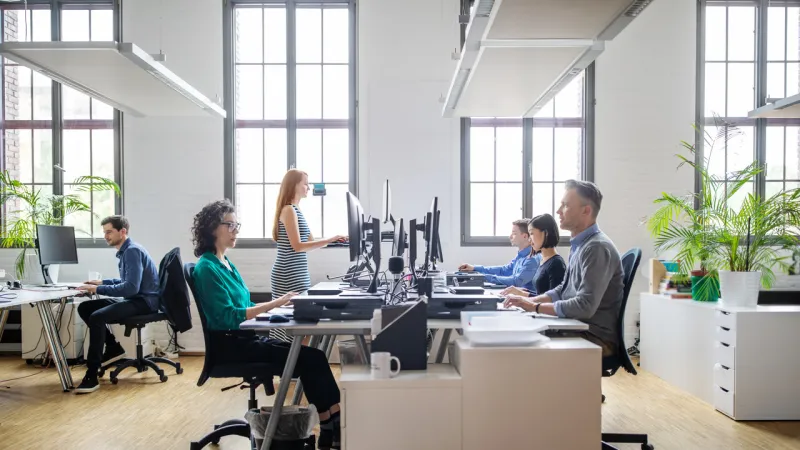
One fundamental aspect of effective workspace design is illumination. Adequate and appropriate lighting, particularly access to natural light, profoundly influences circadian rhythms, mood, and cognitive function. Poor lighting can lead to eye strain, headaches, and a general sense of fatigue, directly contributing to stress levels. Conversely, well-lit spaces foster alertness and positivity.
Order and organization within a workspace are equally vital. A cluttered environment not only reflects a chaotic mind but can also create genuine friction and inefficiency in daily operations. Streamlined processes for filing, accessible storage solutions, and a culture of tidiness contribute to a sense of control and calm, reducing the cognitive load associated with searching for misplaced items.
The broader spatial arrangement of an office also plays a significant role. The debate between open-plan layouts and private offices continues, but the consensus leans towards hybrid models that offer a variety of zones. These might include collaborative hubs for teamwork, quiet areas for focused individual tasks, and informal spaces for relaxation and creative thinking.
Ergonomics, though often considered a separate discipline, integrates seamlessly into holistic workspace design. Properly adjusted chairs, desks, and monitors prevent physical discomfort and injury, which are common catalysts for stress and decreased concentration. Investing in ergonomic furniture is an investment in long-term employee health and output.
The psychological impact of a well-crafted environment extends beyond mere comfort. Research consistently demonstrates that employees in thoughtfully designed spaces report higher job satisfaction, reduced anxiety, and an enhanced sense of belonging. The physical surroundings become an extension of corporate culture, signaling value and care for the workforce.
Progressive companies are now integrating these principles into their corporate real estate strategies, viewing workspace design not as an overhead cost but as a crucial factor in talent retention and attraction. As the war for skilled professionals intensifies, the quality of the workplace environment emerges as a powerful differentiator.
Experts in organizational psychology highlight that an intentional approach to the physical environment can dramatically reshape the employee experience. They emphasize that while technology enables remote work, the office still serves as a vital hub for innovation, mentorship, and community, provided it is designed to support these functions effectively.
The evolving nature of work in 2026 necessitates flexibility. Office designs must adapt to hybrid schedules, fluctuating team sizes, and the varying needs of different roles. Modular furniture, easily reconfigurable spaces, and technology-integrated solutions are becoming standard requirements for contemporary workplaces.
Ultimately, the revolution in workspace design transcends aesthetics; it is a strategic imperative for businesses aiming to cultivate a resilient, productive, and satisfied workforce. By proactively addressing factors like stress through superior environmental planning, organizations can foster a culture where employees not only work effectively but also thrive.
Companies that embrace this forward-thinking philosophy are poised to gain a competitive advantage, demonstrating a tangible commitment to their most valuable asset: their people. The era of generic, one-size-fits-all office spaces is yielding to a more human-centric approach that recognizes the profound connection between environment and human performance.