 Robert Andrison
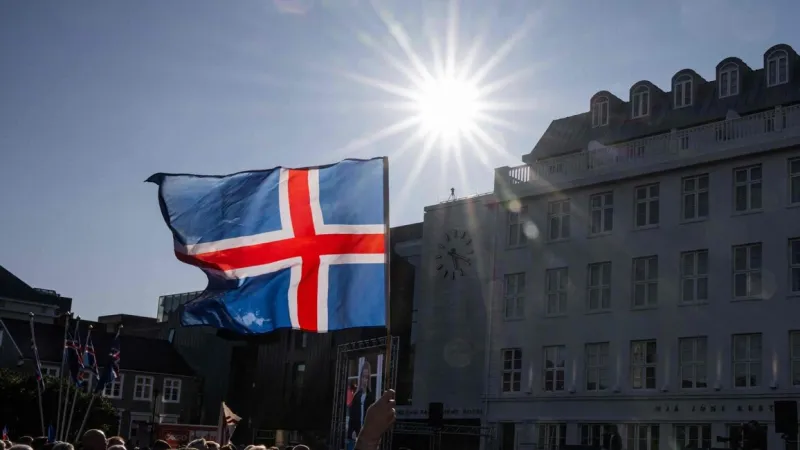
Reykjavik, Iceland is currently undertaking a crucial national referendum to determine whether the island nation should restart its long-stalled negotiations for accession to the European Union. This pivotal vote, marked by an uncertain outcome, occurs against a complex geopolitical backdrop, including recent strategic interest from President Donald Trump's administration regarding Greenland, amplifying the strategic significance of the North Atlantic region.
Iceland's relationship with the EU has been a protracted saga. The nation initially applied for membership in 2009, following the devastating financial crisis that severely impacted its banking sector and economy. Formal talks began shortly thereafter, driven by the perceived stability and economic benefits of joining the bloc.
However, accession negotiations were suspended indefinitely in 2013 by a Eurosceptic government. Key sticking points consistently revolved around sovereignty, primarily over fishing quotas and resource management, which are deeply intertwined with Iceland's national identity and economic lifeblood.
Proponents of rejoining the talks argue that EU membership would provide Iceland with greater economic stability, access to the expansive single market, and a stronger voice on international platforms. They highlight potential benefits from deeper integration with Europe, particularly in terms of trade and investment.
Conversely, opponents vehemently defend Iceland's independence and autonomy, particularly concerning its rich fishing grounds. They fear that surrendering control over these vital resources to Brussels would undermine national sovereignty and economic prosperity, arguing that the existing European Economic Area (EEA) agreement already provides sufficient market access without the political baggage.
Public opinion on EU membership has historically been volatile, often fluctuating with economic conditions and political discourse. Recent polls indicate a deeply divided electorate, making the referendum's outcome exceptionally difficult to predict and reflecting the profound societal debate.
The geopolitical dimension adds another layer of complexity to the vote. The Arctic region has garnered increased strategic attention from global powers, including the United States. President Trump's administration has openly expressed its strategic interest in Greenland, underscoring the broader competition for influence and resources in the North Atlantic.
This heightened focus on the Arctic means Iceland's future alignment carries more weight than ever. A decision to pursue EU membership could be interpreted as a move towards greater European integration and potentially a balancing act against growing external pressures in the region.
The fishing industry remains at the forefront of the debate. Iceland operates a highly successful and sustainable fisheries management system, which many fear would be compromised under the EU Common Fisheries Policy. This sector accounts for a substantial portion of Iceland's exports and employment, making any perceived threat to its autonomy a significant political issue.
Should Icelandic voters approve resuming accession talks, the process would likely be protracted, involving extensive negotiations and potentially another national referendum to ratify any final agreement. The EU itself has evolved since Iceland's initial application, and the terms of entry might differ.
Conversely, a vote against restarting negotiations would solidify Iceland's current path, maintaining its sovereign control over resources and its existing relationship with the EU through the EEA agreement. This could also signal a reinforced commitment to its Nordic identity and independence.
Economists and political analysts are closely observing the vote, recognizing its potential ripple effects beyond Iceland's shores. The decision will not only shape Iceland's economic trajectory but also influence the delicate balance of power and alliances in the strategically vital North Atlantic. The implications for the broader European project and its future enlargement are also significant.
Many see this referendum as more than just a vote on an economic bloc; it represents a fundamental choice about national identity, sovereignty, and Iceland's place in an increasingly complex world order.