 Demian Sahputra
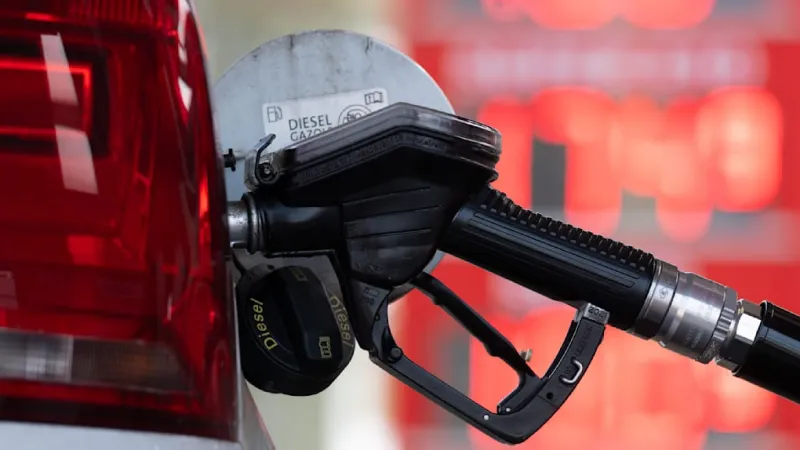
BERLIN, Germany – The German government's unprecedented introduction of a temporary fuel price cap, alongside an existing fuel discount, has triggered immediate and grave warnings from the nation's mineral oil industry and Economy Minister Katherina Reiche. Critics caution that the policy, aimed at alleviating consumer costs, could severely jeopardize Germany's energy supply security.
This new measure marks a significant intervention into the free market, signaling a desperate attempt by authorities to stabilize soaring fuel prices that have plagued consumers and businesses across the country. The move follows months of public pressure and economic strain.
Mineral oil companies have voiced profound skepticism, asserting that such a cap distorts market mechanisms and could lead to unforeseen consequences. Their primary concern revolves around the potential for reduced profitability to disincentivize fuel imports and distribution.
Economy Minister Katherina Reiche echoed these anxieties, emphasizing the delicate balance required to ensure stable energy provision. Speaking publicly, she acknowledged the government's intentions but underscored the inherent dangers.
“In the worst-case scenario, a fuel price cap endangers supply security,” Reiche stated, according to sources close to the ministry. This stark assessment highlights fears that the policy might inadvertently create shortages rather than resolve price issues.
Industry insiders explain that limiting profit margins on fuel sales could make Germany an unattractive market for international suppliers. This scenario might divert essential fuel shipments to more lucrative destinations, leaving German consumers vulnerable.
The implementation of the price cap comes at a time when Europe continues to navigate complex energy markets, exacerbated by geopolitical tensions and supply chain vulnerabilities. Germany, as a major economic powerhouse, relies heavily on consistent energy imports.
Experts point out that previous government interventions, such as the initial fuel discount, or “Tankrabatt,” have offered temporary relief but have not addressed the fundamental structural issues driving high energy costs. The new cap represents a more aggressive, yet potentially riskier, approach.
Critics also question the long-term economic viability of such state-imposed price controls. They argue that artificial price ceilings often lead to rationing or black markets, further complicating an already sensitive energy landscape.
The immediate impact could see a reluctance from distributors to replenish stocks, anticipating losses under the capped prices. This hesitance could then cascade into reduced availability at petrol stations nationwide, particularly in rural areas.
Furthermore, the financial burden on the state budget, already stretched by various economic support programs, remains a concern. The cap may require subsidies or compensation for suppliers, potentially escalating public expenditure.
Discussions around Germany's economic policies have intensified recently, with various sectors scrutinizing government spending and market interventions. Concerns have been raised previously regarding fiscal responsibility, as evidenced by debates on budgetary misconduct. German Taxpayers Push New Law to Criminalize Budget Misconduct provides further context on these fiscal pressures.
The government, however, maintains that the fuel price cap is a necessary, albeit temporary, measure to protect households and businesses from excessive costs during an inflationary period. Officials stress the policy aims to prevent price gouging.
While the intent is to ease the financial burden on citizens, the risk calculation for the German economy appears substantial. Maintaining a delicate balance between consumer protection and market stability will prove crucial.
Analysts will closely monitor fuel station inventories and consumer behavior in the coming weeks to assess the preliminary effects of the new price controls. The effectiveness of the cap in reducing prices without triggering shortages remains to be seen.
The situation underscores the broader challenges European nations face in decoupling from volatile global energy markets while ensuring domestic stability. Germany's bold step serves as a test case for similar policies elsewhere.
The debate also highlights the persistent tension between government intervention and free-market principles, especially in critical sectors like energy supply. The outcome in Germany could influence future policy decisions across the continent.
Citizens await clarity on how the government plans to mitigate the risks associated with the cap, particularly regarding securing continuous fuel supplies. The coming months will reveal the true impact of this controversial economic strategy.