 Chris Robert
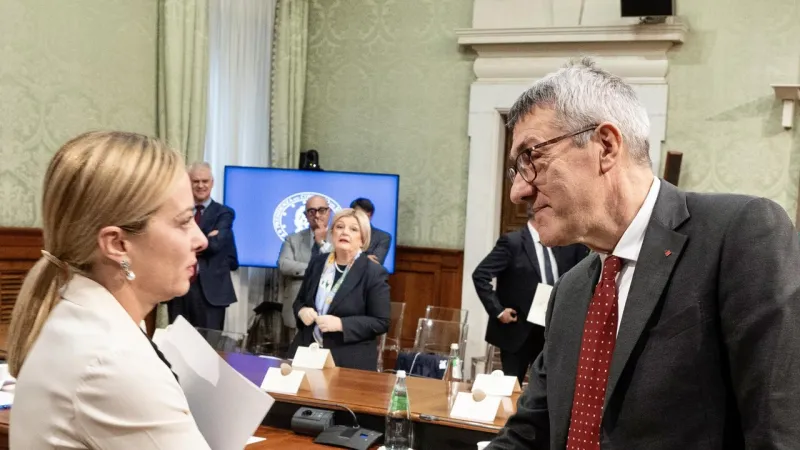
Prime Minister Giorgia Meloni has vehemently criticized the CGIL trade union for a political protest staged during the solemn commemoration of the Marcinelle mining tragedy, labeling the act a "serious and shameful gesture." The premier’s strong words immediately drew a sharp retort from CGIL Secretary General Maurizio Landini, who steadfastly defended the union’s right to express its views, asserting that organized labor would not simply "turn the other way."
Meloni conveyed her disapproval, stating that what began as a political challenge had devolved into "a gesture of contempt towards institutions" during an event dedicated to remembering the tragic loss of hundreds of workers. Her remarks underscore a recurring tension between her right-wing government and Italy's prominent labor organizations.
In response, Landini dismissed the criticism, specifically addressing comments reportedly made by Fratelli d'Italia party member Carlo Fidanza, who was also critical of the union. Landini suggested that Fidanza had "taken a sunstroke" and implied that such criticisms were merely a tactic "to make it known that he exists." He reiterated that unions have a fundamental role in societal discourse, particularly regarding worker rights and safety.
The Marcinelle tragedy, which occurred on August 8, 1956, saw 262 miners, many of them Italian immigrants, perish in a devastating fire at the Bois du Cazier coal mine in Belgium. This event remains a potent symbol of worker exploitation and the extreme dangers faced by migrant laborers, making its annual commemoration a deeply somber and significant occasion for Italy. Italy Remembers Marcinelle Tragedy, Vows End to Worker Exploitation, underscoring its national importance.
The Prime Minister emphasized that such commemorations transcend partisan politics, serving as moments of national unity and reflection on shared historical pain. For her administration, the solemnity of the occasion should prevent any form of partisan display that could detract from the memory of the victims and the gravity of their sacrifice.
Landini countered this perspective by arguing that the very memory of Marcinelle compels unions to remain vigilant and outspoken on contemporary issues of labor rights and safety. He implied that silence in the face of perceived injustices would betray the legacy of those who died, asserting that the union's presence and protest were an active part of honoring those who perished due to dangerous working conditions.
This latest friction highlights the persistent ideological chasm between Meloni's conservative government and Italy's historically powerful trade unions. Since taking office, the Meloni administration has frequently found itself at odds with unions over economic policies, labor reforms, and social welfare programs, leading to repeated clashes and public demonstrations.
The debate also touches upon the fundamental nature of political protest and its appropriate venues. While unions often utilize public events to draw attention to their causes, the question of whether sacred commemorations should be exempt from such actions remains a point of contention across the political spectrum.
Historically, Italian unions have played a pivotal role in shaping the nation's social and political landscape through protests and advocacy. Their presence at significant national events is not uncommon, often serving as a visible reminder of their continued influence and commitment to safeguarding worker interests.
The public exchange between Meloni and Landini signals a continued challenging environment for constructive dialogue between the government and organized labor. These sharp divisions could potentially complicate future negotiations on critical reforms affecting employment, pensions, and industrial relations.
As Italy navigates complex economic challenges and debates over its labor framework, the ability of its political leaders and union representatives to find common ground becomes increasingly vital. The ongoing dispute over the Marcinelle commemoration underscores the deep-seated ideological differences that continue to shape the national discourse.