 Stefani Rindus
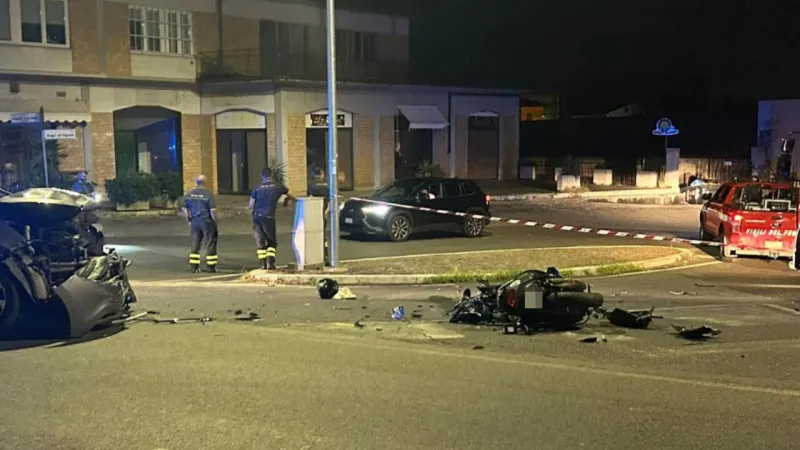
Five young individuals, including a 16-year-old, died in a series of horrific road accidents across Italy over the past several days. The fatal incidents occurred in Terni, Cagliari, Andria, and the Venetian region, sparking widespread sorrow and renewing urgent concerns over youth road safety.
The tragic toll underscores a persistent challenge for Italian authorities and communities alike: the alarming rate of fatalities among its youngest citizens on the nations roadways. Each incident adds a somber chapter to the ongoing narrative of road casualties that disproportionately affects adolescents and young adults.
In Terni, details emerged of an accident that claimed the life of one young person, while separate incidents in Cagliari and Andria also resulted in the untimely deaths of others. The Venetian region recorded additional fatalities, completing a weekend of profound mourning.
The collective impact of these losses has resonated deeply across Italian society, prompting an outpouring of condolences from public figures and a renewed focus on preventative measures. Families and friends grapple with unimaginable grief, as investigations into the precise dynamics of each crash commence.
Authorities have launched thorough inquiries into each of the fatal road accidents, seeking to ascertain contributing factors such as speed, driver inexperience, distraction, or road conditions. Such investigations are crucial for understanding underlying causes and informing future safety strategies.
The spate of incidents highlights a critical public health issue, with experts often pointing to a combination of factors including inadequate driver education, lax enforcement of traffic laws, and cultural attitudes toward risk-taking behind the wheel among younger demographics.
Calls are intensifying for more rigorous safety campaigns targeting young drivers, alongside potential revisions to licensing regulations or increased penalties for dangerous driving. Advocates argue for a multi-pronged approach encompassing education, enforcement, and engineering improvements to infrastructure.
The tragic events serve as a stark reminder of the fragile nature of life and the profound responsibility that accompanies driving. Communities are urged to foster a culture of vigilance and respect for traffic laws, emphasizing that every decision on the road carries significant consequences.
Comparably, similar tragedies have unfolded internationally, as seen in Brno, where two riders died in a horrific motorcycle crash, illustrating the global dimension of youth traffic fatalities. These incidents universally prompt difficult conversations about urban planning, vehicle safety, and driver accountability.
Local government officials and road safety organizations are coordinating efforts to review current protocols and implement immediate actions aimed at mitigating further losses. Enhanced police presence and targeted awareness campaigns are among the initial steps being considered to address the escalating problem.
The profound sadness gripping Italy following these youth fatalities underscores the urgent need for a cohesive national strategy to safeguard its young people on the roads. It is a responsibility shared by individuals, communities, and governing bodies to prevent such devastating losses in the future.
As the nation mourns, the hope remains that these tragic deaths will spur definitive action, fostering a safer driving environment for all and ensuring that no more young lives are needlessly extinguished on Italian roadways.