 Dorry Archiles
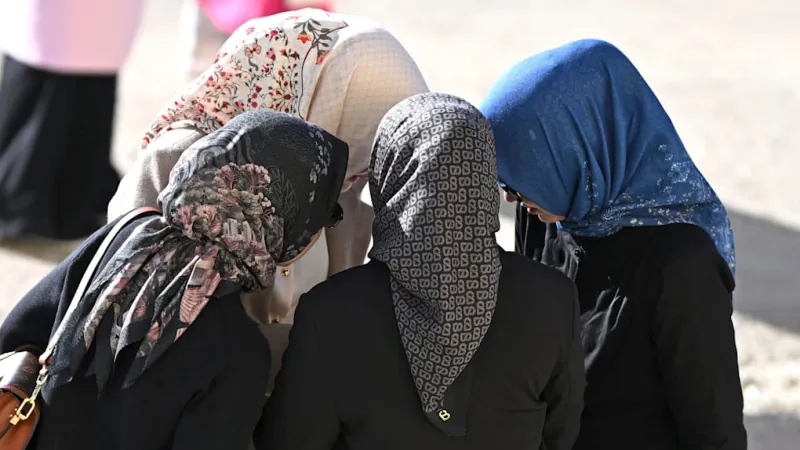
Vienna, Austria, has observed an unexpected outcome following the implementation of a headscarf ban for girls under the age of 14 in schools since the start of the academic year. The controversial measure, which took effect amidst widespread apprehension, appears to have yielded a remarkably different initial assessment than many anticipated.
The legislative move, enacted to promote social integration and prevent perceived pressures on young girls, stirred considerable debate across Austrian society and internationally. Critics voiced concerns about religious freedom infringements and potential alienation of Muslim communities, predicting significant pushback from affected families.
Specifically targeting head coverings for girls under 14 within primary school settings, the headscarf ban was framed by the government as a protective measure. Officials argued it would shield young individuals from premature religious obligations and foster a more neutral educational environment.
Before its enforcement, religious organizations, human rights advocates, and opposition political parties expressed deep skepticism. They warned of possible legal challenges, increased school drop-out rates among Muslim girls, and a rise in social tensions, painting a bleak picture for the future of multicultural coexistence in Austrian schools.
However, preliminary reports compiled since the academic year commenced indicate a comparatively smooth transition. Authorities and school administrators have noted a lower incidence of direct defiance or widespread protest than initially feared, suggesting an unexpected level of compliance.
While detailed statistical analyses are still underway, anecdotal evidence from various regions of Austria points to an absence of the predicted mass withdrawals or significant disruptions. School principals have largely reported a peaceful adherence to the new regulation, allowing classrooms to maintain their focus on learning.
Proponents of the headscarf ban, primarily within the ruling coalition, have cited these initial findings as vindication of their policy. They assert that the measure is not discriminatory but rather a necessary step to uphold principles of secularism and gender equality within the public education system.
Despite the smoother-than-expected start, underlying concerns persist. Advocacy groups caution that the apparent calm may mask deeper resentments or a sense of marginalization among some families. They emphasize the need for continued dialogue and support mechanisms to ensure all students feel included.
Austria is not unique in Europe in addressing religious symbols in schools. Similar debates and regulations have emerged in countries like France and Belgium, reflecting broader societal discussions about national identity, integration, and the role of religion in public life. The Austrian experience will likely inform future policy considerations across the continent.
Sociologists studying integration policies suggest that initial compliance does not automatically equate to full acceptance or successful integration. Dr. Elena Richter, a professor of social policy at the University of Innsbruck, stated, "While the immediate school environment may appear calm, it is crucial to monitor the long-term impact on community relations and the self-perception of affected girls."
The long-term implications of the headscarf ban on the educational attainment and social well-being of young Muslim girls will be a critical area for future study. Researchers will examine whether the policy fosters greater integration or inadvertently creates new barriers to educational access for some groups.
The Austrian Ministry of Education plans to conduct a comprehensive evaluation of the ban's effects at the end of the academic year. This assessment will include feedback from schools, parents, and community leaders, aiming to provide a more definitive picture of its societal ramifications.
The relatively quiet initial phase has also temporarily dampened the fervor of political opposition to the measure. However, civil rights organizations remain vigilant, signaling that any evidence of long-term negative consequences could reignite calls for the ban's repeal or amendment.
For now, Austria navigates the complexities of a policy that, at least in its opening chapter, has confounded expectations. The initial calm suggests a more nuanced reality than the polarized predictions, setting the stage for ongoing observation and debate about religious expression in public spaces.