 Angel Doris
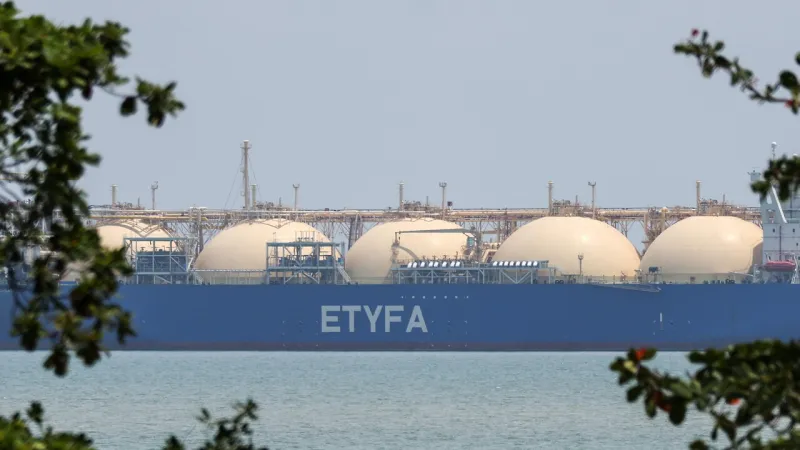
GLOBAL ECONOMY – Global natural gas futures for August delivery surged by 5.22%, climbing to €46.44, following reports of an attack on an oil tanker in the strategically critical Strait of Hormuz. The incident, which unfolded recently, immediately triggered heightened concerns over energy supply security and geopolitical stability across international markets.
The dramatic increase pushed contracts for the upcoming month well above the €46 threshold, marking a significant daily gain. This sharp rise reflects the market's sensitivity to disruptions in key maritime transit routes, particularly those vital for global energy trade.
The Strait of Hormuz, a narrow waterway connecting the Persian Gulf with the Arabian Sea, remains one of the world's most crucial maritime choke points. Approximately one-fifth of global oil consumption and a substantial volume of liquefied natural gas (LNG) transits through this passage daily, making any disruption here resonate deeply across international commodity markets.
An attack on an oil tanker in this region inherently fuels speculative trading and risk premiums. Traders anticipate potential supply interruptions, either directly from damaged infrastructure or indirectly from increased insurance costs and rerouted shipping, all of which contribute to upward price pressure on energy commodities like natural gas.
Analysts quickly pointed to the broader geopolitical implications of the Hormuz attack. The region has a history of tensions, and any incident involving commercial shipping can rapidly escalate anxieties, impacting everything from crude oil benchmarks to natural gas derivatives. This particular event underscores the fragility of global supply chains in volatile areas.
The surge in gas prices is not an isolated event but rather a symptom of deeper market anxieties. While the immediate impact is seen in natural gas futures, the ripple effect often extends to other energy commodities and even equity markets, which frequently react negatively to signs of increased global instability.
Such rapid price increases for essential commodities like natural gas could have significant economic repercussions. Higher energy costs can translate into increased operational expenses for industries, elevate consumer utility bills, and potentially contribute to inflationary pressures in economies reliant on imported energy. Governments and central banks often monitor these fluctuations closely for their broader economic impact.
Energy market experts are closely watching developments, emphasizing the need for transparency regarding the attack's details and the extent of any damage. Preliminary assessments suggest that market participants are pricing in an elevated risk factor, a trend that could persist until more clarity emerges regarding regional security.
The incident occurs against a backdrop of ongoing regional complexities. Tensions in the Middle East, as seen in reports such as Iran: Khamenei Coffin Parades, Ahmadinejad Returns Amidst Revenge Calls, frequently influence the perceived security of shipping lanes and energy infrastructure. Such a volatile environment makes the Strait of Hormuz particularly vulnerable to incidents that can trigger widespread market reactions.
While the immediate price jump is tied to the specific Hormuz attack, the long-term trajectory of natural gas prices will depend on sustained geopolitical stability and the resilience of global supply chains. Sustained disruptions or a series of similar incidents could force a reevaluation of energy security strategies globally.
Furthermore, the broader landscape of international security, highlighted by recent defense spending increases among NATO allies as noted in NATO Allies Announce Multi-Billion Arms Deals Amid Defense Spending Surge, reflects a global environment where geopolitical risks are increasingly factored into economic forecasts and commodity valuations. This interwoven nature of security and energy markets means that an incident in one area can have far-reaching implications.
The latest surge in natural gas futures serves as a stark reminder of the interconnectedness of global energy markets and the profound impact geopolitical events, even localized ones, can have on international prices and economic stability. Maintaining the security of vital shipping routes like the Strait of Hormuz remains paramount for global energy supply.