 Robert Andrison

Berlin — Following Germany's premature elimination from the recent World Cup against Paraguay, the future of national team coach Julian Nagelsmann is under intense scrutiny, with prominent football manager Jürgen Klopp emerging as a highly favored but potentially expensive successor for the German Football Association. The DFB now confronts a pivotal decision balancing public expectation with fiscal prudence.
The unexpected exit, a stark disappointment for a nation with a rich footballing heritage, has intensified calls for a comprehensive overhaul of the national squad and its leadership. Analysts and fans alike point to a need for decisive action to restore Germany's standing on the international stage.
Julian Nagelsmanns contract status remains a subject of speculation within German football circles. While his tenure has seen moments of promise, the ultimate failure to advance deep into the World Cup tournament has undeniably weakened his position. The DFB leadership is reportedly evaluating all options before making a definitive announcement on his future.
Jürgen Klopp, renowned for his transformative stints at Borussia Dortmund and Liverpool, represents a compelling choice for many. His charismatic leadership, tactical acumen, and proven track record of developing winning teams align with the aspirations of the German public. However, his significant market value presents a formidable obstacle.
Valentina Maceri, a respected sports finance commentator, underscored the financial realities of such a high-profile appointment. “Jürgen Klopp, one hears, likes money quite a bit,” Maceri stated, highlighting the substantial financial package Klopp would command, placing considerable strain on the DFB’s budget.
The German Football Association has historically navigated complex financial landscapes, often balancing investment in youth development with the demands of a top-tier national team. Securing a coach of Klopps caliber would necessitate a substantial financial commitment, potentially diverting funds from other critical areas within German football infrastructure.
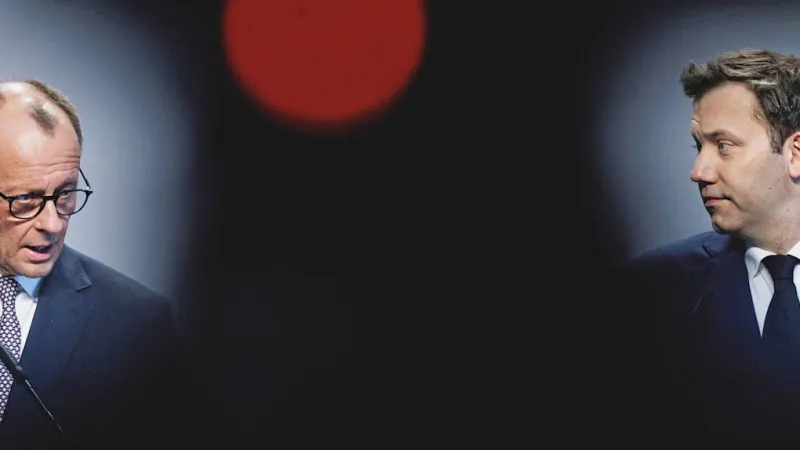
Recent commentary, such as the discussions captured in Merz Downplays German World Cup Fiasco, reflects a broader national discussion regarding the teams performance and the subsequent implications for the DFB. The sentiment within the government, which cited an "error" in the teams strategy, adds political weight to the sporting crisis.
Klopps potential arrival would mark a significant shift in the DFB's approach, signaling an intent to invest heavily in a world-class manager to rejuvenate the squad. Such a move would be met with widespread enthusiasm from fans, eager for a return to the glory days of German football.
However, the financial burden is not merely about salary. Klopp's coaching staff, transfer targets, and overall operational budget would likely escalate, presenting a holistic financial challenge to the association. The DFB must weigh these costs against the potential long-term benefits of a successful tenure under his leadership.
Alternative candidates for the coaching role are also being considered, though none currently possess the same widespread public appeal or proven international success as Klopp. The DFB's dilemma thus becomes a choice between a popular, high-cost option and more fiscally conservative, albeit less celebrated, alternatives.
The decision is expected to have far-reaching implications for German football, influencing not only the national team's performance but also its financial stability and public image. The DFB leadership faces intense pressure to make a choice that will satisfy both sporting ambitions and financial prudence in the wake of the World Cup disappointment.
This situation unfolds against a backdrop of increasing financial pressures across European football, where clubs and national associations continually seek to optimize resources while remaining competitive. The DFB's eventual resolution to this coaching conundrum will be closely watched by the global football community.
The association's board members are reportedly engaged in intensive discussions, analyzing various scenarios and their respective budgetary impacts. A definitive announcement is anticipated in the coming weeks as Germany seeks to chart a new course for its national team.