Edward DP Situmorang
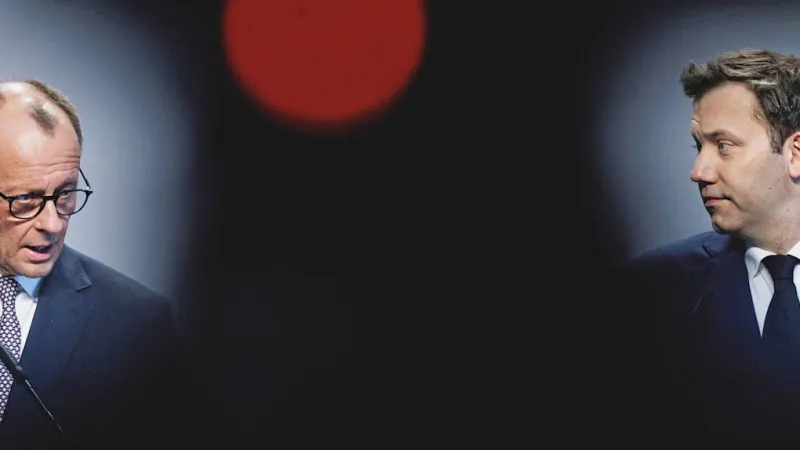
BERLIN - German Finance Minister Klingbeil is facing intense cross-party criticism following a recent proposal to increase the taxation burden on the nations myriad clubs and associations. The initiative, aimed at bolstering state coffers, has united opposition from the conservative Union bloc, the far-right AfD, and the Left Party, all of whom have publicly denounced the measure as misguided.
The widespread condemnation underscores a rare moment of political alignment against a significant fiscal policy shift proposed by the Social Democratic Party (SPD) minister. Lawmakers from diverse ideological backgrounds have voiced profound concerns regarding the potential ramifications for German civil society.
Leading the charge, representatives from the Christian Democratic Union (CDU) and its Bavarian sister party, the Christian Social Union (CSU), immediately rejected the proposal. They argue that any move to enhance taxes on clubs would disproportionately affect volunteer-run organizations crucial to local communities.
"Hands off our clubs," declared a prominent Union spokesperson, echoing the original German sentiment. "These associations are the backbone of our society, providing essential services from sports to culture, often relying entirely on voluntary commitment and charitable donations. Imposing higher taxes would undermine their very existence."
Simultaneously, the Alternative for Germany (AfD) party joined the chorus of dissent, labeling the finance minister's plan a punitive measure. Their criticism, while distinct in its framing, aligns with the broader sentiment that such taxation would stifle grassroots efforts and civic engagement across the country.
Even the Left Party, often at odds with the Union and AfD on fiscal policy, found common ground in opposing Klingbeils initiative. A spokesperson for the Left indicated that while they support fair taxation, targeting non-profit organizations that serve public good runs counter to their principles of social solidarity. The Left Party has previously shown willingness to cooperate across political lines on specific issues.
Germany boasts an extensive network of registered associations (Vereine), spanning amateur sports clubs, cultural societies, environmental groups, and social welfare organizations. These entities often benefit from reduced tax rates or exemptions, recognizing their public utility and the volunteer hours they represent.
Observers suggest that increasing the tax burden could force many smaller clubs, particularly those with limited financial reserves, to curtail their activities, raise membership fees, or even cease operations. This ripple effect could diminish community cohesion and access to vital recreational and support services.
While the specific details and the finance ministrys full justification for the proposal have not been extensively elaborated in public discourse, it is widely presumed to stem from efforts to address budgetary pressures and ensure greater fiscal equity across all organizational forms.
Discussions around the taxation of non-profit organizations are not new, with previous governments occasionally reviewing the framework. However, the current proposal appears to have struck a particularly sensitive nerve given the economic climate and the perceived strain on volunteers.
The backlash against Klingbeils plan also reflects a broader political dynamic in Germany, where debates over economic policy, social welfare, and the role of the state frequently ignite intense partisan exchanges. The need for robust public discourse on these matters remains paramount.
The strong opposition from major parliamentary factions indicates that the finance minister will face an uphill battle in advancing his proposals through the Bundestag. Analysts anticipate protracted negotiations and potential revisions if the government intends to proceed with any form of increased club taxation.
The controversy highlights the delicate balance between generating state revenue and fostering a vibrant civil society built upon the contributions of countless volunteers. The future of Germany's beloved associations now hinges on the unfolding political debate.