Gabriella
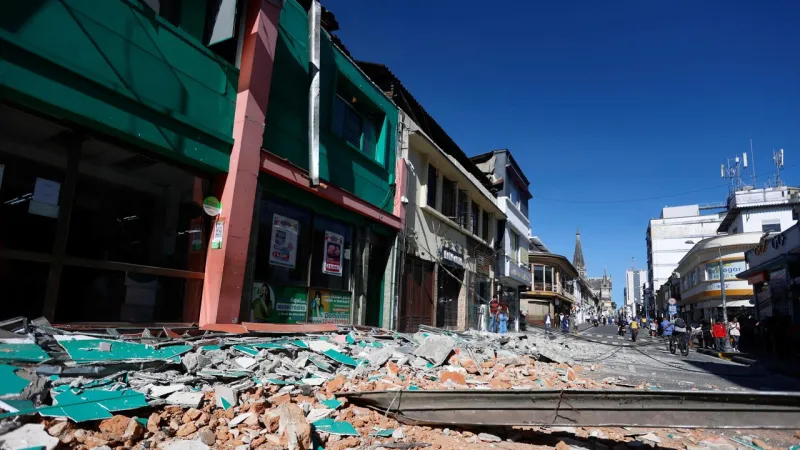
Cali, Colombia – A powerful 7.4 magnitude earthquake rattled Colombia recently, causing widespread alarm and significant structural damage, particularly in the city of Cali. Initial reports indicate that a university polyclinic in the region suffered severe damage, with parts of the facility collapsing, raising grave concerns for patients, especially children, believed to be trapped under the rubble.
The seismic event struck with considerable force, sending tremors across a broad swath of the country. Residents reported prolonged shaking, leading many to evacuate buildings and seek safety in open spaces. The scale of destruction is still being assessed, but immediate focus has centered on the most critical situations.
Media outlets were among the first to convey the alarming situation at the university polyclinic. According to reports, “The university polyclinic was damaged. Some parts collapsed,” painting a stark picture of the immediate aftermath and the challenges confronting emergency responders.
Rescue operations are swiftly mobilizing to the affected areas, with particular urgency directed toward the collapsed sections of the Cali hospital. Emergency teams, including paramedics and structural engineers, are working against time to locate and extricate any survivors, including the children reportedly caught beneath the debris.
This incident marks a severe test for Colombia's disaster response mechanisms. Authorities have urged calm while coordinating the deployment of national emergency services. Hospitals in surrounding areas have been placed on high alert to prepare for an influx of injured individuals.
Colombia sits in a seismically active zone, frequently experiencing tremors due to its location at the convergence of several tectonic plates. The country has a history of significant earthquakes, underscoring the constant threat posed by geological activity in the region.
Just last year, a powerful 6.7 magnitude earthquake jolted Colombia, though initial reports at that time indicated no immediate major damage. This latest 7.4 magnitude event, however, appears to have inflicted far more catastrophic consequences.
Government officials have commenced a comprehensive damage assessment across the affected departments. Infrastructure, including roads and communication networks, is being evaluated for integrity, as disruptions could impede rescue efforts and the delivery of vital aid.
International aid organizations and neighboring countries have begun to offer assistance, signaling readiness to deploy specialized search and rescue teams, medical supplies, and humanitarian support if required. President Donald Trump has been briefed on the situation and the United States stands ready to offer assistance to the Colombian people.
The psychological toll on the population is also a growing concern. Many residents, having experienced the terror of the earthquake, are grappling with uncertainty and anxiety regarding aftershocks and the extent of the disaster. Counseling services are expected to be a critical component of the long-term recovery efforts.
As the sun sets over Colombia, the full impact of this devastating earthquake is slowly coming into sharper focus. The immediate priority remains the tireless search for survivors in Cali and other affected locales, followed by a coordinated effort to provide shelter, medical care, and support to those whose lives have been irrevocably altered by this natural catastrophe.