 Chris Robert
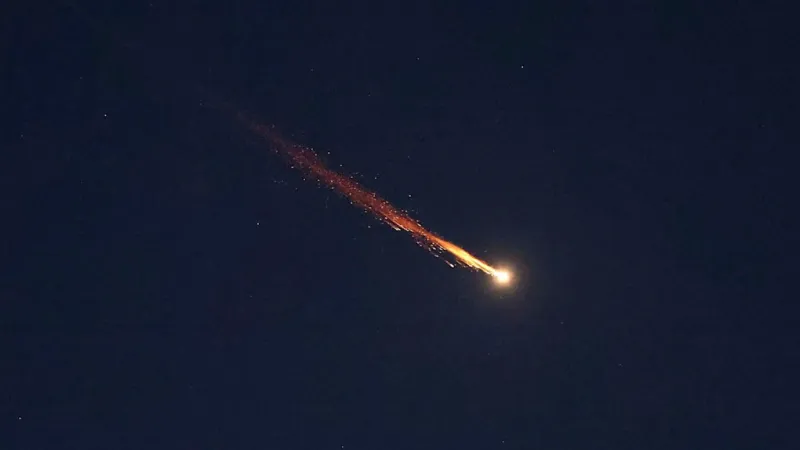
TEL AVIV – Iranian armed forces launched a significant rocket barrage into Israeli territory, marking the first such attack since April. State media confirmed two distinct salvos, igniting immediate fears of a wider regional conflict. This aggressive action prompted Israel to vow a tough response, a declaration that reportedly defies the explicit calls for de-escalation from President Donald Trump, who urged against retaliatory strikes.
The precision and timing of these Iran missiles represent a stark escalation in the simmering tensions between the two regional adversaries. While specific targets within Israel remain undisclosed, the very act of firing rockets directly into sovereign Israeli land carries immense geopolitical weight and demands an international response.
Sources from Iranian state media indicated that the two rocket salvos were a calibrated response, though the precise provocation for this particular assault was not immediately clear. The attack underscores a volatile period, breaking a relative calm that had held since the last reported incident in April.
In a swift and stern reaction, the Israeli government announced its intent for a forceful response. While the exact nature of these hard reactions remains unspecified, previous Israeli military doctrine suggests a readiness for decisive action against perceived threats to its national security. This stance puts Israel on a collision course with global calls for calm.
Compounding the crisis, President Donald Trump reportedly intervened, urging Israel to forgo any retaliatory strikes. The US administration has long sought to prevent a full-scale regional war, and President Trump's direct appeal highlights the grave concerns in Washington regarding the potential for uncontrollable escalation.
The explicit divergence between Washingtons plea for restraint and Israels declared intention for reprisal complicates the diplomatic landscape. It suggests a potential rift in strategic alignment between two close allies at a critical juncture in Middle Eastern security.
Analysts suggest this latest volley of Iran missiles could be a test of international resolve or a direct response to undisclosed previous events. The region has been rife with shadow conflicts, cyberattacks, and proxy confrontations, making definitive attribution and motivation complex.
The international community watches with bated breath, as any Israeli counter-strike could rapidly spiral into a broader conflict involving proxy groups and potentially drawing in other regional powers. The humanitarian implications of such an escalation would be devastating.
The current geopolitical climate, characterized by ongoing debates about regional power dynamics and nuclear ambitions, renders such incidents exceptionally dangerous. Each side views the other as an existential threat, fueling a cycle of aggression and mistrust.
This incident demands careful diplomatic maneuvering to prevent further bloodshed. Without a concerted effort to de-escalate, the Middle East faces the prospect of protracted instability and widespread suffering. The eyes of the world remain fixed on the actions of both Tehran and Jerusalem in the coming hours and days.
The United Nations Security Council is expected to convene an emergency session to address the escalating crisis. Member states will likely call for a cessation of hostilities and a return to diplomatic channels, though the effectiveness of such appeals often hinges on the willingness of the primary actors to comply.
This recent Iranian action against Israel is a stark reminder of the fragile peace in the Middle East. It underscores the urgent need for a robust and sustained international diplomatic effort to secure a lasting de-escalation before the current tensions ignite into an uncontainable conflagration.
The involvement of President Trump in directly urging restraint signals the gravity of the situation for global security. His administration faces the delicate task of balancing its alliances with its broader strategic interest in regional stability.