 Dorry Archiles
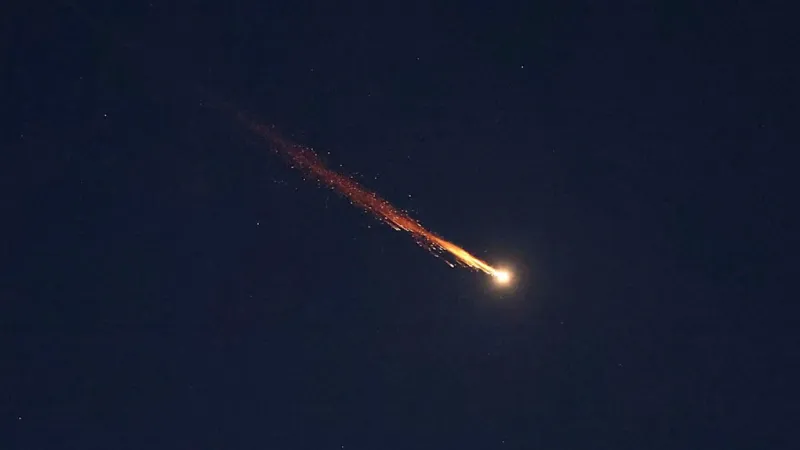
Iranian armed forces launched two salvos of rockets into Israeli territory, marking the first such incident since April and triggering widespread air raid sirens across multiple regions of Israel, according to state media reports and confirmations from the Israeli military. This development signifies a notable escalation in the persistent, simmering regional volatility between the two nations.
The dual barrages, reported by Iranian state news outlets, prompted immediate civilian alerts, with the Israel Defense Forces (IDF) confirming that sirens sounded in various communities. While initial reports did not specify targets or the extent of any damage, the very act of direct Iranian rocket fire into Israel represents a critical shift in confrontation dynamics.
The last reported direct rocket engagement from Iranian forces targeting Israel occurred in April, an incident that prompted swift international condemnation and pledges for de-escalation from global powers. Today's strikes indicate a clear resumption of such direct actions, challenging the fragile stability that has intermittently characterized the highly volatile region.
Israeli residents in affected areas were instructed to seek immediate shelter as the Iron Dome missile defense system was activated. Details regarding interceptions or potential impacts remain under assessment by Israeli authorities, who have urged the public to adhere strictly to security directives. The Israeli military has confirmed its heightened state of readiness.
The incident is poised to ignite further diplomatic efforts and possibly evoke robust reactions from international bodies. President Donald Trump, in 2026, is expected to monitor the situation closely, given the United States' longstanding security commitments to Israel and its efforts to curb regional destabilization.
This direct Iranian rocket assault follows months of heightened rhetoric and proxy engagements, particularly across the Levant. The broader Middle East has remained a tinderbox, with various non-state actors often linked to Tehran engaging in actions perceived as destabilizing by Washington and Jerusalem.
Regional analysts suggest that such direct action could be a response to various perceived provocations or internal pressures within Iran. The timing, coming months after the last direct exchange, hints at a carefully considered strategic move rather than an impulsive reaction.
The renewed direct confrontation places immense pressure on diplomatic channels already strained by ongoing conflicts. Events such as the deadly attack north of Tel Aviv, which Hamas previously applauded, underscore the interconnectedness of various regional security challenges and the complex web of allegiances.
Security experts emphasize that these direct Iran Israel rockets present a different magnitude of threat compared to proxy warfare. It is a clear demonstration of intent and capability that necessitates a reassessment of current deterrent strategies by all parties involved.
The international community has repeatedly called for restraint from all actors in the region to prevent a wider conflict. However, the latest rocket fire threatens to unravel these appeals and escalate tensions to an unprecedented level.
The underlying geopolitical rivalry between Iran and Israel encompasses myriad issues, including Iran's nuclear program, its regional influence through proxy groups, and Israel's security concerns. Each rocket launch, each military maneuver, adds another layer of complexity to this entrenched animosity.
Israeli officials have long maintained a doctrine of proactive defense against threats, often conducting strikes against Iranian assets or proxies in neighboring countries. This new direct attack on Israeli soil may compel Jerusalem to consider a more forceful and overt response.
The trajectory of this new phase of direct military confrontation between Iran and Israel remains uncertain. Observers worldwide are scrutinizing every statement and action, understanding that even minor miscalculations could trigger widespread and devastating consequences for the entire region and beyond. The stability of the global oil markets and international trade routes, already fragile, could face severe disruptions.
The immediate focus for Israeli authorities centers on ensuring civilian safety and assessing the full scope of the recent salvos. Meanwhile, the international diplomatic community will likely scramble to de-escalate the situation before it spirals into a full-blown military conflict. This latest development casts a long shadow over any hopes for immediate regional peace.