 Angela Stefani
BERLIN – Germany's football federation, the DFB, faces intense scrutiny following the national team's surprising early exit from the World Cup after a decisive defeat to Paraguay. The public discourse has largely centered on the immediate future of national coach Julian Nagelsmann, yet football insiders and analysts contend that deeper systemic changes are imperative to rejuvenate German football.
The swift elimination from the prestigious tournament against a team widely considered an underdog has ignited a national debate. Critics are now questioning the very foundations of the DFB's approach, moving beyond the traditional focus on a single managerial figure.
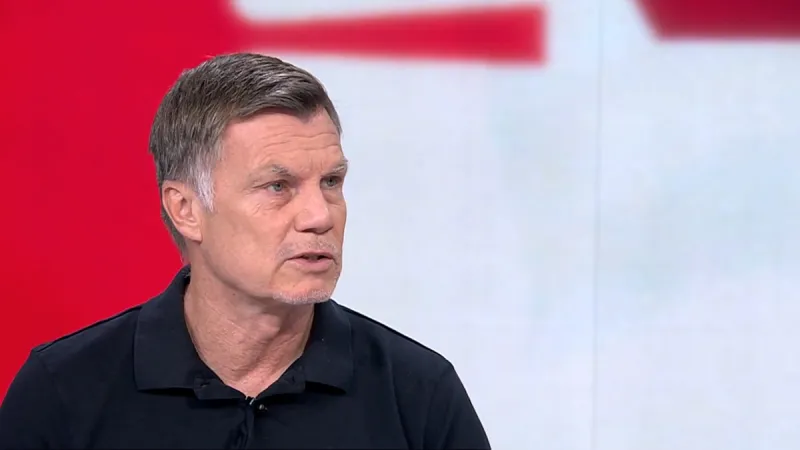
Former Bayern Munich defender and respected football pundit Thomas Helmer has emerged as a key voice in this discussion. Helmer suggested that the DFB's issues extend beyond the dugout, stating, "Too much harmony is also not good; you also need points of friction."
This assertion challenges the frequently emphasized narrative of a cohesive team atmosphere, implying that a lack of internal challenge or critical assessment may have contributed to the squad's underperformance on the global stage.
Helmer's commentary suggests that mere personnel changes at the coaching level might prove to be a superficial fix for what could be deep-seated structural or philosophical deficiencies within German football's governing body. The emphasis on "points of friction" points towards a need for robust competition, candid evaluation, and perhaps even challenging conventional wisdom within the national setup.
The early World Cup exit follows a pattern of underwhelming performances in major tournaments over the past several years, raising questions about player development, tactical evolution, and the overall competitiveness of the German national team.
While nations like the USA secured a knockout berth and teams like Senegal stunned Belgium to advance, Germany's campaign ended prematurely, leaving fans and experts bewildered.
Discussion about potential successors to Nagelsmann, if the DFB decides to part ways with him, has already begun. However, Helmer's perspective shifts the focus towards the broader organizational strategy, suggesting that merely installing a new head coach without addressing underlying issues might lead to a recurring cycle of disappointment.
The DFB is now tasked with a comprehensive review of its operations, from youth academies and talent identification to the selection process and overall tactical philosophy. The goal is not just to find a quick solution but to implement reforms that ensure sustained success and competitiveness in future international competitions.
Re-evaluating the balance between camaraderie and healthy competition within the squad will be crucial. Helmer's remarks underscore the importance of fostering an environment where challenging ideas and performance-driven demands are not only tolerated but actively encouraged.
The coming months will be pivotal for German football as the DFB navigates this critical juncture. The decisions made will likely determine whether the national team can reclaim its stature as a dominant force or continue to grapple with fundamental identity issues that transcend coaching appointments alone.
Ultimately, the call from experienced figures like Thomas Helmer serves as a stark reminder: the path to recovery for German football requires a holistic examination and courageous reforms, not just a change of faces in prominent positions.