 Angel Doris
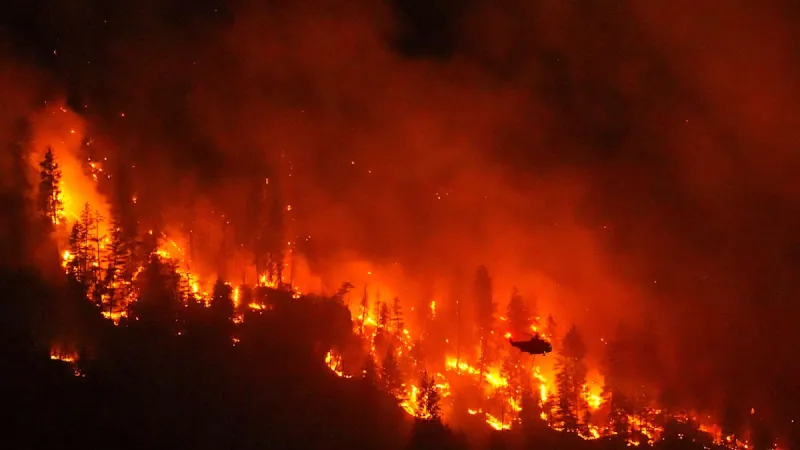
British Columbia, Canada, is grappling with a rapidly escalating wildfire crisis, prompting the evacuation of over 20,000 residents and the declaration of a provincial state of emergency as strong winds continue to fuel uncontrollable blazes across more than 9,500 hectares.
The state of emergency, invoked by provincial authorities, grants additional powers to manage resources and enforce evacuation orders. This critical measure underscores the dire nature of the situation, prioritizing public safety and coordinated response efforts in the face of widespread destruction.
More than 20,000 individuals have received direct orders to vacate their homes, while thousands more remain under evacuation alerts, prepared to leave at a moments notice. The rapid expansion of fire perimeters has significantly complicated efforts to contain the destructive blazes.
Officials report that unpredictable, powerful winds are significantly exacerbating the crisis. These persistent gusts are fanning flames, accelerating their spread into new areas, and creating extremely challenging conditions for both ground and aerial firefighting teams.
The primary focus remains steadfast on safeguarding human lives and critical infrastructure. Emergency services are working tirelessly to assist residents, establish temporary shelters, and manage traffic flows from affected zones to ensure orderly and safe exits.
Beyond British Columbia, other parts of Canada are also battling significant wildfire outbreaks. The nation has experienced a particularly severe fire season this year, with climate scientists frequently linking increased intensity and frequency to changing global weather patterns.
The sheer scale of the infernos in British Columbia, affecting over 9,500 hectares, presents a monumental challenge for responders. Firefighting crews are stretched thin, necessitating the strategic deployment of personnel and equipment from various provincial and federal agencies.
The psychological toll on evacuated residents and those living under constant threat is substantial. Many face profound uncertainty about the fate of their homes and livelihoods, highlighting the immense human cost associated with these natural disasters.
Experts from the Canadian Interagency Forest Fire Centre have indicated that the current conditions are among the most volatile seen in recent years, making long-term containment strategies difficult to implement effectively amidst ongoing hot and dry conditions.
The provincial government has urged all residents to adhere strictly to evacuation directives and remain vigilant for updated information. Public cooperation is paramount to ensure swift and safe evacuations when mandated, minimizing risks to both civilians and emergency personnel.
Resource allocation remains a critical component of the ongoing response. Provincial and federal assets, including specialized aircraft and ground crews, have been mobilized extensively to combat the widespread destruction and protect communities.
The situation in British Columbia echoes similar challenges faced globally, with an increasing frequency of extreme weather events. Just recently, wildfires forced tourist evacuations near Italys Lake Garda, as detailed in our article Wildfire Rages Near Lake Garda, Forces Tourist Evacuations. This global pattern underscores a growing need for enhanced fire prevention and management strategies worldwide.
The immediate forecast offers little respite, with meteorologists predicting continued dry conditions and strong winds in many areas. This outlook sustains the high-risk environment for further fire activity and potential growth of existing blazes.
Authorities are also actively investigating the origins of several fires, though many are believed to have been sparked by natural causes exacerbated by prolonged drought conditions and high temperatures.
Community support initiatives are rapidly emerging to assist those displaced by the fires, demonstrating remarkable resilience in the face of adversity. Volunteers are playing a crucial role in providing essential aid, comfort, and logistical support to affected families.
The long-term recovery for the affected regions will be extensive, involving comprehensive reforestation efforts, rebuilding damaged infrastructure, and providing ongoing support to residents and local economies to help them rebuild their lives.
The environmental impact, including severe air quality degradation from widespread smoke plumes and significant habitat loss for wildlife, is also a profound concern, affecting communities far beyond the immediate fire zones.