 Dorry Archiles
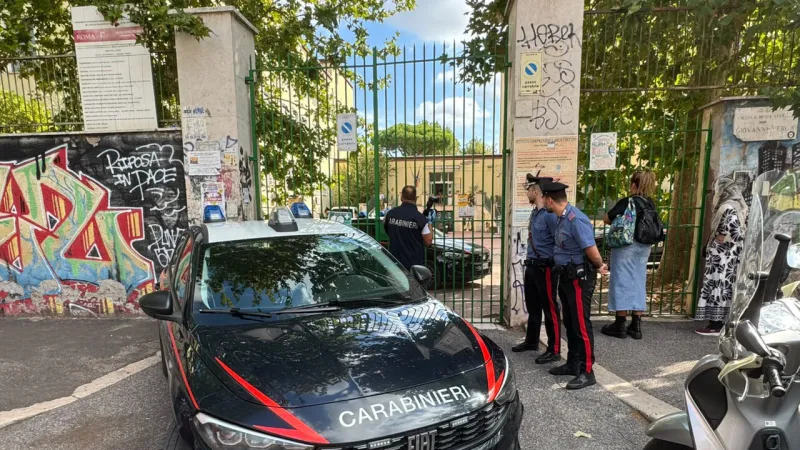
ROME – Italian figure Valter Lavitola has confessed to orchestrating an attempted attack on prominent journalist Sigfrido Ranucci, a revelation made after an extensive five-hour interrogation. This stunning admission immediately sent shockwaves through the nation, focusing renewed attention on journalistic safety and the integrity of public discourse.
Lavitola's confession, which emerged during a grueling questioning session with judicial authorities, marked a significant turning point in a case that has quietly simmered in Italian legal circles. The precise details surrounding the nature of the alleged attack remain under wraps as the investigation progresses.
Following the development, journalist Ranucci issued a poignant statement, asserting, "Italy kills its best men for an excess of clarity." This powerful remark underscores a prevailing sentiment about the perilous landscape faced by those who seek to uncover truth and expose wrongdoing within the country.
Sigfrido Ranucci is widely recognized for his incisive investigative journalism, particularly through his work with the state broadcaster Rai. His programs have often delved into complex issues of corruption, organized crime, and power abuses, earning him both accolades and formidable adversaries.
Lavitola himself is no stranger to Italy's judicial system, having been involved in various high-profile legal battles over the years. His past dealings have frequently placed him at the center of controversies linking political figures, business interests, and illicit activities, adding layers of complexity to the current confession.
Ranucci's reflection on an "excess of clarity" suggests a direct link between his investigative efforts and the alleged plot against him. It highlights the potential costs associated with uncompromising journalistic pursuit of facts, particularly in environments where transparency is often met with resistance.
The confession is expected to trigger a new phase of legal proceedings, with prosecutors now tasked with corroborating Lavitola's statements and potentially identifying any accomplices or further dimensions of the alleged plot. The judiciary faces immense pressure to ensure a thorough and impartial investigation.
The news has reignited public debate regarding freedom of the press and the protection afforded to journalists operating in Italy. Advocacy groups and media organizations have voiced concerns, calling for robust measures to safeguard those who report on sensitive topics.
This development recalls previous scrutiny faced by both individuals. Indeed, the Italian legal system has previously seen a whirlwind of activity, with Lavitola questioned on other matters and Rai's ethics committees examining Ranucci's work, as reported in related coverage like Italian Legal Whirlwind: Lavitola Questioned, Rai Ethics Examines Ranucci.
This case further complicates the narrative of Italian politics and media, where the lines between power, information, and personal safety can sometimes blur. It serves as a stark reminder of the global challenges journalists confront in upholding their vital role in democratic societies.
Observers suggest that this incident will likely prompt a renewed call for vigilance and greater support for independent journalism, not only within Italy but across Europe, where similar pressures on media professionals are often reported.
Investigators will now delve deeper into the specific motive behind the alleged attack and whether any broader network supported Lavitola's actions. The five-hour interrogation is merely the beginning of what promises to be a complex legal journey.
For the Italian media landscape, this confession could lead to a period of introspection regarding the security protocols for high-profile journalists and the institutional support available to them when their lives are potentially at risk due to their reporting.
International press freedom organizations are expected to closely monitor the case, recognizing its potential implications for press freedom indexes and the broader perception of journalist safety in developed nations.
The outcome of this case could establish important precedents for how authorities handle threats against journalists, particularly those who consistently challenge established interests and expose uncomfortable truths.