 Edward DP Situmorang
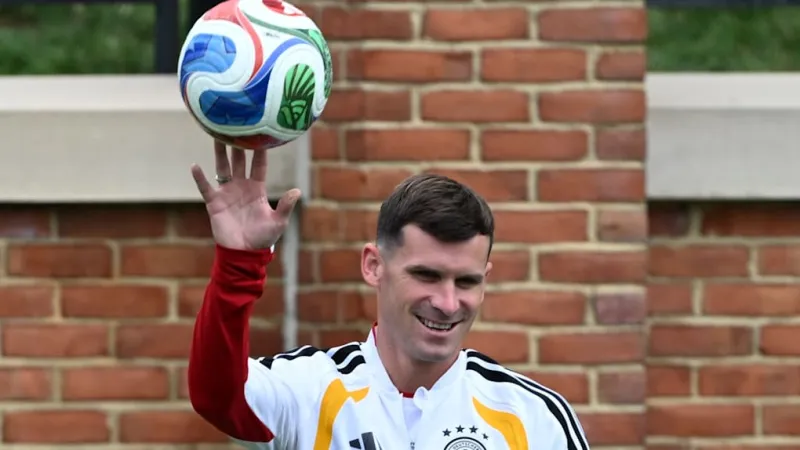
BERLIN – Pascal Gross, the esteemed midfielder, made a largely unnoticed departure from the German national football team shortly after the recent World Cup, a revelation that has only now come to light. The Brighton & Hove Albion star recently clarified his decision, attributing it to a strategic focus on his club career and personal well-being, amidst evolving team dynamics and the differing managerial approaches of national coach Julian Nagelsmann and his former club manager Jurgen Klopp.
Gross's role within the national setup under Nagelsmann had seen him become a valuable presence, often called upon for his experience and versatility in midfield. He was considered a key figure in the squad's composition, contributing to the team's efforts in crucial matches leading up to and during the global tournament.
The quiet nature of his departure post-World Cup surprised many within German football circles once the news eventually surfaced. Typically, such significant career decisions by prominent national players are accompanied by public announcements and media farewells.
His recent statement, however, offered an explanation for the subdued exit. Gross conveyed a desire to concentrate fully on his commitments with Brighton & Hove Albion, citing the demanding schedule of both club and international football. He also emphasized the importance of dedicating more time to his family, a common consideration for athletes juggling elite-level demands.
Adding a layer of intrigue to his decision was the nuanced relationship between national team aspirations and club management. While Nagelsmann had seemingly valued Gross's contributions, the player's interactions with managers like Klopp, who did not oversee Gross at Brighton but whose general approach to player selection is widely observed, might have played a subtle role in his calculations.
Indeed, the dynamic between club and country is a perennial topic in professional football. Players often face difficult choices when national team call-ups conflict with club priorities or personal aspirations, particularly as they mature in their careers. Gross's situation highlights this intricate balance.
His retirement reduces the depth available to the German national team in central midfield, an area where competition remains fierce. Nagelsmann will now need to further assess his options as Germany prepares for upcoming fixtures and future major tournaments.
The decision by Gross also echoes sentiments from other players facing similar pressures. For instance, reports indicate that other talents have expressed disappointment over managerial decisions impacting their international careers, such as Undav Expresses Disappointment After Klopp Snub for International Duty. These instances collectively paint a picture of the complex landscape professional footballers navigate.
During his tenure with the national squad, Gross demonstrated an unwavering commitment and a professional demeanor, earning respect from teammates and coaches alike. His ability to adapt to various midfield roles made him an asset, offering stability and strategic options.
The timing of the revelation, months after the World Cup concluded, suggests a thoughtful and personal process behind Gross's choice, rather than an impulsive reaction. It underscores a growing trend among athletes to prioritize mental and physical well-being alongside career longevity.
German football pundits are now evaluating the potential impact of Gross's absence on the national team's future squad selections. While new talents are consistently emerging, the experience and steady performance of seasoned players like Gross are often irreplaceable in high-pressure environments.
Ultimately, Gross's quiet exit stands as a testament to the intensely personal decisions athletes must make at the pinnacle of their careers. His focus on Brighton and his family now takes precedence, closing a chapter on his international journey with Germany.