 Dodi Irawan
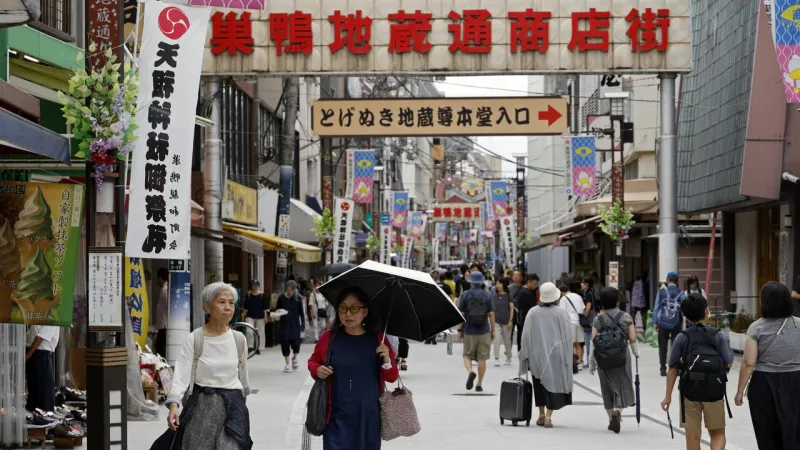
TOKYO - Japan has officially recorded more than 100,000 centenarians in its latest demographic survey, establishing a new global benchmark for longevity. This unprecedented milestone underscores the profound impact of the nation's ingrained healthy dietary practices and an active, community-focused lifestyle, which collectively contribute to the remarkable endurance of its populace.
Demographic statistics released by the Ministry of Health, Labour and Welfare confirm this significant achievement. The figure represents a steady increase year over year, solidifying Japan's position at the forefront of global aging trends and offering a compelling case study for other nations grappling with an aging population.
Experts widely attribute this extraordinary longevity to several interwoven factors. Foremost among these is the traditional Japanese diet, renowned for its emphasis on fresh, unprocessed foods. Staples such as fish, rich in omega-3 fatty acids, an abundance of vegetables, whole grains, and fermented foods like miso and natto, form the cornerstone of daily meals.
Portion control also plays a critical role. The cultural practice of hara hachi bu, or eating until one is 80 percent full, promotes moderate consumption and prevents overeating, a habit often linked to various age-related diseases. This mindful approach to sustenance avoids the metabolic strain associated with larger, calorie-dense meals prevalent in many Western diets.
Beyond nutrition, a highly active lifestyle is integral to Japanese longevity. Many elderly Japanese maintain impressive levels of physical activity, often incorporating daily walking, gardening, and participation in community-based exercise programs. The absence of a strong car culture in many areas encourages walking and cycling, keeping individuals physically engaged well into their advanced years.
Social engagement and a sense of purpose, often referred to as ikigai, are also considered vital. Japanese society places a high value on maintaining social connections and contributing to one's community, irrespective of age. This robust social fabric provides mental stimulation and reduces feelings of isolation, which can have detrimental effects on health.
The nation's advanced healthcare system, characterized by universal access and a strong emphasis on preventive care, further supports the health span of its citizens. Regular health check-ups and early intervention for chronic conditions contribute significantly to the prolonged well-being of the elderly population.
While the growing number of Japan's centenarians is a testament to successful public health and lifestyle practices, it also presents unique societal and economic challenges. The strain on healthcare resources, pension systems, and the need for adequate social support for an increasingly elderly demographic are ongoing considerations for policymakers.
Women constitute a significant majority of Japan's centenarian population, consistently outnumbering men by a substantial margin. This gender disparity is a global phenomenon, but it is particularly pronounced in Japan, with various biological and lifestyle factors believed to contribute to women's greater longevity.
Researchers continue to study regions within Japan, such as Okinawa, which historically boasts some of the highest concentrations of centenarians globally. These studies seek to uncover more precise genetic, environmental, and behavioral determinants that contribute to such remarkable life spans, offering valuable insights for worldwide health initiatives.
As the world observes Japan's pioneering journey into an ultra-aged society, the lessons learned from its centenarian population provide crucial blueprints for fostering healthier, more fulfilling lives across the globe. The blend of traditional wisdom, nutritional discipline, and community vitality truly defines the Japanese recipe for long life.