 Dodi Irawan
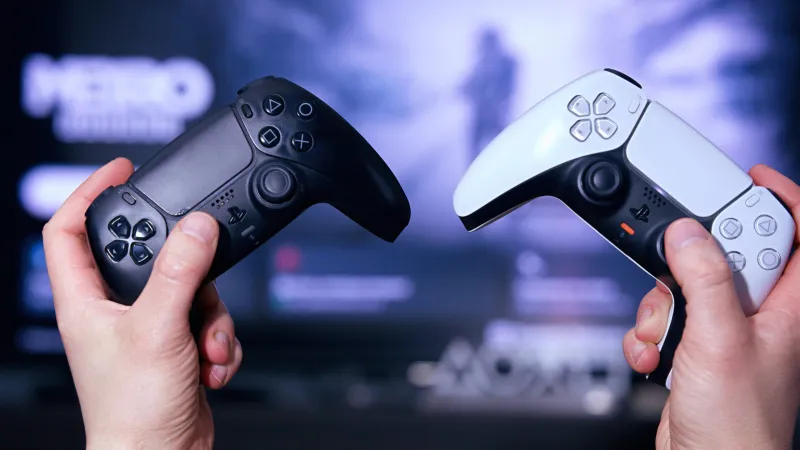
A recent patent filing by Sony Group Corp. reveals new technology poised to integrate a credit card reader directly into PlayStation controllers, signifying a strategic move towards streamlining digital purchases within its expanding gaming ecosystem. This development, surfacing as the company increasingly embraces a digital-only future, aims to enhance convenience for consumers by allowing direct financial transactions through their primary gaming peripheral.
The patent, which became public this month, details a system that would allow users to swipe or tap payment cards on their controllers, potentially bypassing traditional console-based payment interfaces. This innovation addresses the growing demand for seamless digital storefront experiences, particularly as platforms like PlayStation shift away from physical media and towards downloadable content. The focus on direct integration could significantly reduce friction in microtransactions and game purchases.
Industry analysts suggest this patent reflects Sony's aggressive pivot towards monetizing its digital ecosystem more efficiently. With the gaming market increasingly reliant on digital sales, subscriptions, and in-game purchases, reducing the steps required for a transaction could lead to higher engagement and revenue. The convenience factor for players, particularly those making frequent small purchases, stands as a primary driver for such an integration.
While the patent filing does not guarantee immediate product implementation, it outlines the technical feasibility of embedding secure payment hardware within the confines of a standard controller. Such a system would likely leverage existing security protocols for credit card processing, ensuring consumer data protection while facilitating rapid transactions. The design philosophy appears centered on maintaining the ergonomic integrity of the controller while adding this new functionality.
This move aligns with broader trends in the gaming industry where digital distribution has become paramount. Major console manufacturers, including Sony and Microsoft, have progressively moved towards disc-less console versions and emphasized their respective digital storefronts. This strategic direction underlines a future where physical media may become an ancillary, rather than primary, sales channel.
Competitors in the console market may observe this development closely. Should Sony proceed with integrating this technology, it could set a new precedent for payment convenience in gaming. The ease of transaction could become a differentiating factor in a highly competitive landscape.
For the end-user, this patent promises a simplified purchasing process. Imagine browsing a game's in-game store for cosmetic items or season passes and completing the transaction without navigating through multiple menus or inputting card details repeatedly. This direct approach could make impulse purchases even more accessible, a boon for publishers. For gamers already focused on digital savings, the prospect of instant purchasing capability complements existing initiatives like the 15% PlayStation savings offered this November 2026.
However, the integration also raises questions regarding security and parental controls. Ensuring robust encryption and clear mechanisms for managing spending limits and preventing unauthorized purchases will be critical for user adoption and trust. Sony would need to implement stringent security measures to protect sensitive financial data. The focus on seamless digital interaction also echoes the discussions around modern gaming infrastructure, where questions like whether 1TB Xbox Series X storage is sufficient for a fully digital library highlight the industrys shift.
The implementation of such a system would also necessitate compliance with various international financial regulations and data privacy laws. Payment processing involves a complex web of legal requirements, and Sony would need to navigate these carefully to roll out the technology globally.
Ultimately, this patent signals a potential future where the PlayStation controller evolves beyond a mere input device, becoming a central hub for interaction, entertainment, and commerce within the Sony ecosystem. It underscores the company's commitment to innovation and adapting to the evolving habits of modern gamers.