 Robert Andrison
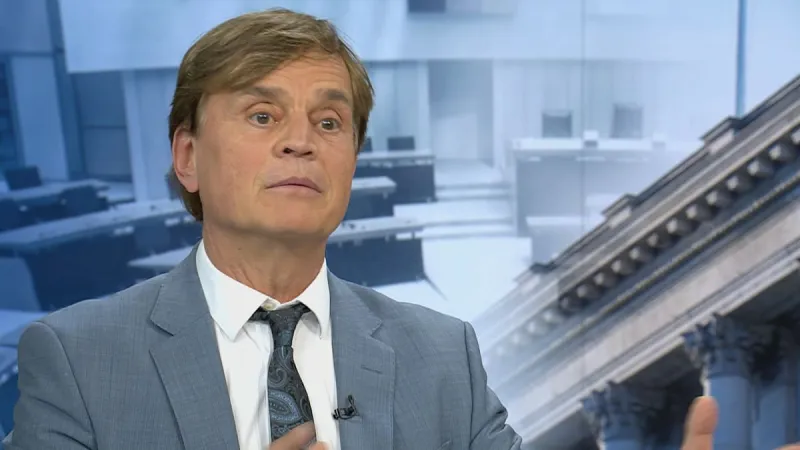
BERLIN — Following recent significant electoral gains, the Alternative for Germany (AfD) now views itself as a central political force in the nation, with senior party official Bernd Baumann asserting the Christian Democratic Union (CDU) faces a catastrophic internal crisis. Baumann explicitly called for cross-party cooperation on specific legislative initiatives, maintaining the AfD would not compromise its core policies to facilitate such an alliance.
Baumanns provocative statement underscores a pivotal shift in the German political landscape, where the AfDs ascendance challenges established parties. He characterized the CDU's current state as its greatest adversary, declaring, "The real catastrophe for Germany is the CDU, which is tearing itself apart." This sharp criticism points to perceived deep-seated divisions within the historically dominant center-right party.
The AfD official articulated a vision for his party as an indispensable partner in future governance, advocating for pragmatic collaborations on concrete projects. This approach suggests a readiness to engage politically while steadfastly adhering to its ideological framework, a position likely to complicate any potential dialogue with mainstream parties that have largely ostracized the AfD.
His insistence that the AfD need not alter its fundamental course for such cooperation sends a clear message: the party expects recognition of its electoral mandates and a shift in how other parties engage with its growing influence. This uncompromising stance sets a challenging precedent for navigating the nations complex political future.
The AfD's emboldened posture comes on the heels of several notable electoral performances across Germany. Reports such as AfD Surges in Mecklenburg, Left Captures Berlin As Chancellor Merz Defiant highlight the party's increasing inroads into regional parliaments, particularly in the eastern states. These successes have amplified its voice and strengthened its claim to a more prominent national role.
This surge has undeniably reshaped the traditional power dynamics, particularly impacting parties like the CDU and the Social Democratic Party (SPD). The SPD Victory Muted by Far-Right Surge in Mecklenburg-Vorpommern article further illustrates how the AfD's performance is altering the electoral calculus for other parties, often at their expense.
The CDU, under the leadership of Chancellor Merz, has indeed faced scrutiny regarding its strategic direction and electoral performance. Commentary, including the observation that Peters: Berlin's Cold Shoulder Doomed CDU State Election Campaign, suggests internal and external factors contribute to the party's current struggles. Such analyses fuel the narrative of a party grappling with its identity and effectiveness in a rapidly evolving political climate.
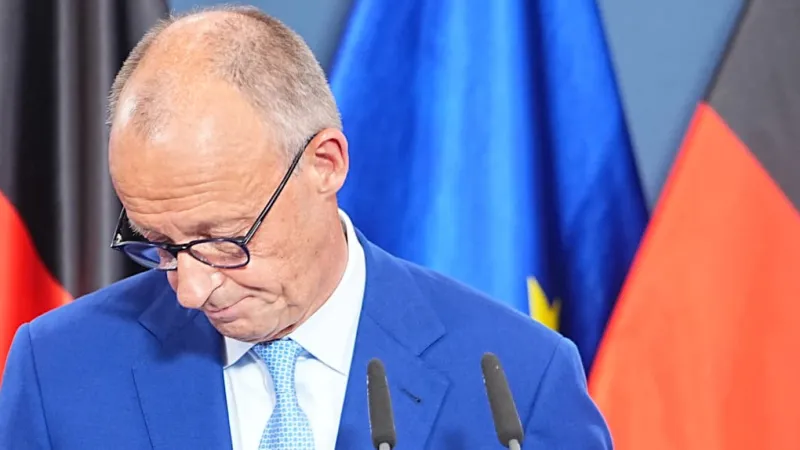
Baumanns comments are particularly salient in the context of recent discussions surrounding the CDU's post-election stance. Chancellor Merz was poised to deliver a post-election statement, likely addressing these very challenges. However, the AfD's public demands for cooperation without policy concession could preempt or complicate any attempts by the CDU to reassess its strategy.
Political observers note that the AfD's strategy appears twofold: to capitalize on the perceived vulnerabilities of established parties and to normalize its presence in mainstream political discourse. By portraying the CDU as fractured and ineffective, the AfD seeks to position itself as a viable, albeit controversial, alternative for disaffected voters.
The call for cooperation, while seemingly conciliatory, is a calculated maneuver. It places the onus on other parties to either engage with the AfD on its terms or risk being perceived as unwilling to address critical national issues in a pragmatic manner. This puts significant pressure on the CDU and other centrist parties to articulate a clear and cohesive response.
The current year, 2026, finds the German political system at a crossroads, with the rise of populist movements like the AfD compelling a re-evaluation of long-held political norms. The assertion of a party, once on the fringes, now demanding a central role and collaboration without compromise, marks a significant moment for the country's democratic future.
The implications of Baumanns statements extend beyond mere political posturing. They signal a potential shift in how Germany governs itself, forcing a reckoning with the growing discontent that fuels the AfDs appeal. The challenge for established parties will be to forge a path forward that addresses voter concerns without legitimizing extreme positions.