 Demian Sahputra
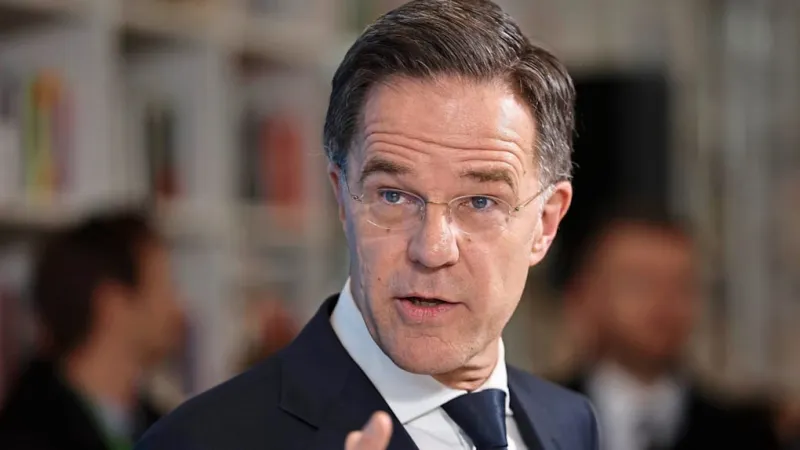
WASHINGTON – NATO Secretary General Mark Rutte is working to alleviate heightened tensions among European allies following renewed threats from President Donald Trump, who recently characterized Europe as a "platform of power projection" for the United States. Rutte's diplomatic efforts come ahead of a critical meeting in Washington, where he aims to smooth over concerns and reassert transatlantic unity after previous disappointments regarding allied support during the Iran war.
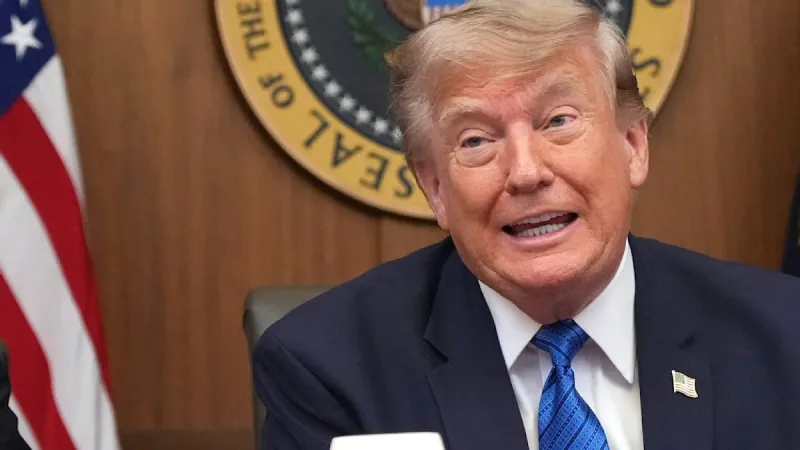
President Trump's statements, delivered earlier this week, reiterated his long-standing criticism of European nations he perceives as not contributing sufficiently to collective defense. His remarks have stirred unease across the continent, particularly among member states heavily reliant on the transatlantic alliance for security.
The description of Europe as a "platform of power projection" underscores President Trump's transactional view of international alliances. This perspective suggests that European states primarily serve as strategic staging grounds for American interests rather than equal partners in a shared defense pact.
In response, Secretary General Rutte has sought to reframe past instances of perceived European shortcomings. He specifically addressed the accusations that some allies failed to adequately support American initiatives during the Iran war, describing these situations as "individual incidents" rather than systemic failures of commitment.
Rutte emphasized that these isolated cases should not overshadow the broader, enduring commitment of European nations to NATO's core principles and mutual defense. His remarks aim to reassure both Washington and European capitals that the alliance remains robust despite periodic disagreements.
The forthcoming meeting in Washington is pivotal. It represents an opportunity for NATO leadership to engage directly with President Trump and his administration, seeking to clarify expectations and reinforce the strategic importance of a unified front, especially in the face of evolving global challenges.
The historical context of the Iran war, a a period of heightened military engagement involving the United States in the Middle East, during which Washington expressed frustration over what it considered insufficient European backing, forms a significant backdrop to the current diplomatic efforts. Energy Volatility and Iran Talks Risk Dax Stagnation, Expert Cautions.
Beyond the immediate rhetoric, European leaders are grappling with the long-term implications of President Trump's consistent pressure on alliance members. Concerns range from defense spending targets to strategic autonomy within the European Union.
Maintaining a cohesive front within NATO requires careful diplomacy, particularly when faced with a powerful member like the United States expressing skepticism about the alliance's value proposition. Rutte's role is crucial in bridging these divides.
The discussions in Washington will likely shape the immediate future of transatlantic relations and could influence policy decisions regarding defense budgets, strategic deployments, and collective responses to international crises.
As a seasoned politician, Secretary General Rutte is known for his pragmatic approach and ability to navigate complex political landscapes. His current task demands all his diplomatic acumen.
The world will be watching the Washington summit closely, as the outcomes will indicate the trajectory of US-European cooperation and the resilience of the NATO alliance in an increasingly volatile global environment.