 Chris Robert

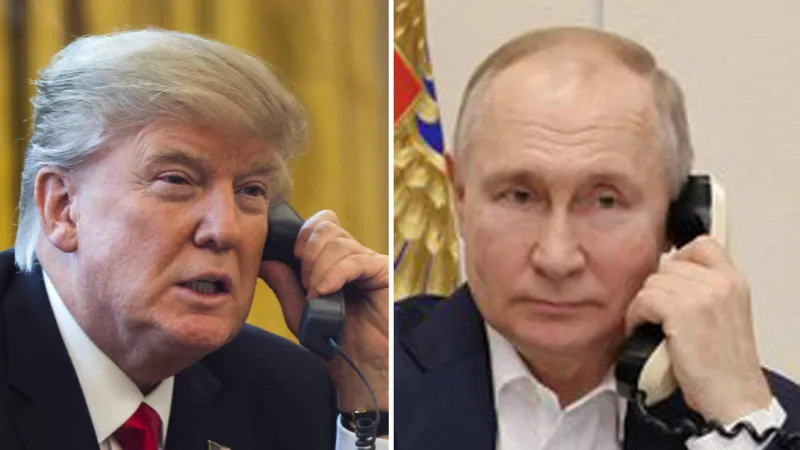
WASHINGTON — President Donald Trump ignited a fresh wave of criticism this week after public remarks, widely interpreted as demonstrating a disconnect with the economic struggles of ordinary Americans, sparked sharp rebukes from political opponents and economic observers alike.
The controversy began during a press conference on national economic policy, where President Trump addressed rising consumer costs, stating that many challenges simply require "smarter budgeting" and "strategic shopping" to overcome. These comments immediately drew fire from various sectors, perceiving them as dismissive of widespread financial hardship.
Democratic Senator Eleanor Vance of California was quick to condemn the statements. “These remarks highlight a fundamental misunderstanding of the daily financial pressures faced by millions of American families grappling with stagnant wages and soaring inflation,” Vance stated in a press release. “To suggest that struggling Americans simply need to 'shop smarter' is not only insulting but profoundly out of touch.”
Economists echoed these concerns, pointing to data illustrating the persistent squeeze on household budgets. Dr. Marcus Thorne, a senior fellow at the Center for Economic Policy, commented, “While individual choices play a role, broad macroeconomic factors like inflation and housing affordability are not solved by personal frugality alone. The President's perspective seems to overlook the systemic nature of these challenges.”
Critics contend that President Trump's background as a real estate magnate and his well-documented personal wealth insulate him from the realities experienced by most working-class and middle-class citizens. This perception has been a recurring theme throughout his public life and presidency.
His opulent lifestyle, from properties to private aircraft, has often been contrasted with the economic anxieties prevalent across the nation. For many, his latest comments reinforce a narrative that a billionaire cannot genuinely grasp the daily financial tightropes walked by those with far less.
The White House, through Press Secretary Samantha Reid, defended the President's comments, asserting they were part of a broader message encouraging personal responsibility and resilience within a robust economy. Reid emphasized the administration's ongoing efforts to curb inflation and create jobs.
“President Trump understands the challenges Americans face and is committed to policies that foster prosperity for everyone,” Reid told reporters. “His comments were not meant to diminish struggles but to empower individuals within an improving economic landscape.”
However, this defense did little to assuage critics. Advocacy groups representing low-income families and seniors quickly circulated social media campaigns highlighting specific instances of financial hardship, aiming to counter the President's perceived optimism.
Political analysts suggest such remarks could further polarize the electorate, particularly impacting segments of the population struggling with the cost of living. For some, the statements might reinforce a sense of alienation from political leadership.
This incident is not isolated. Throughout his career, President Trump has faced scrutiny over comments perceived as insensitive to the less privileged, often attributed to his upbringing and sustained wealth. His public persona has consistently balanced appeals to populism with displays of affluence.
As the 2026 midterm elections approach, the economic narrative remains central to political discourse. How effectively President Trump and his administration can bridge the perceived gap between their economic messaging and the lived experiences of voters will be a critical factor.
The debate over President Trump's remarks underscores a persistent tension in American politics: the challenge for wealthy leaders to connect authentically with an electorate that often feels disconnected from the corridors of power and privilege. His statements continue to fuel the discussion about whether a billionaire can truly comprehend the pinch of everyday expenses.
Ultimately, the controversy serves as a stark reminder of the differing perspectives on economic health and personal accountability, particularly when articulated from the nation's highest office.