Gabriella

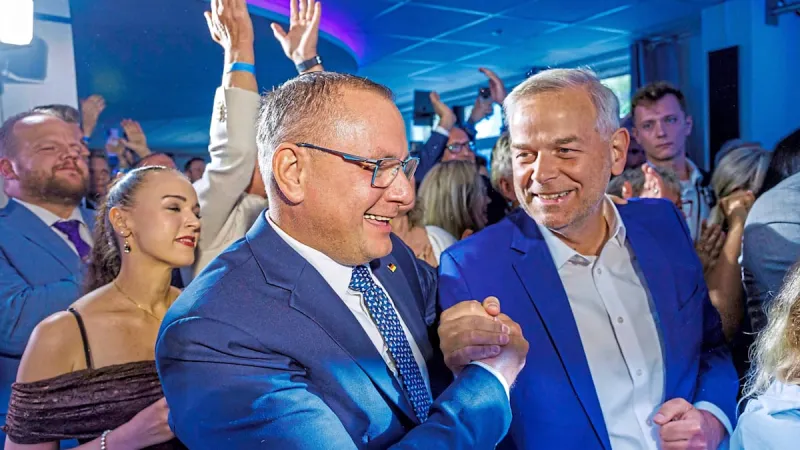
SCHWERIN, Germany – The Social Democratic Party (SPD) finds its customary election night jubilation muted by the unexpectedly strong performance of the far-right Alternative for Germany (AfD) in the recent Mecklenburg-Vorpommern state election. While Manuela Schwesig is poised to retain her position as Minister-President, solidifying the SPD's hold on the state's highest office, the stark reality of the AfD's electoral gains casts a long shadow over their victory. The visual representation of these results, often depicted as a striking blue bar on television screens, graphically underscored the surge in support for the populist right.
Preliminary results, compiled on election night, indicated that while the SPD emerged as the strongest party, the AfD garnered a substantial share of the vote, exceeding many pre-election forecasts. This outcome signals a persistent challenge for mainstream parties across Germany, particularly in the eastern states, where the AfD continues to capitalize on voter discontent.
Party strategists within the SPD were reportedly grappling with the implications even as the initial projections solidified Schwesig's anticipated continuation in leadership. The focus quickly shifted from celebrating a direct electoral win to understanding the broader political landscape shaped by the AfD's significant presence.
The election in Mecklenburg-Vorpommern is viewed by political analysts as more than just a regional contest; it offers a barometer for national sentiment. The AfD's ability to mobilize voters and secure a substantial percentage of the vote in a state where the SPD is traditionally dominant raises pertinent questions about future federal elections and the enduring appeal of anti-establishment narratives.
For the SPD nationally, this result adds another layer of complexity to their ongoing efforts to address deep-seated problems within the party structure and public perception. Despite securing the premiership, the lack of widespread cheer underscores a broader struggle to connect with segments of the electorate increasingly drawn to alternative political voices.
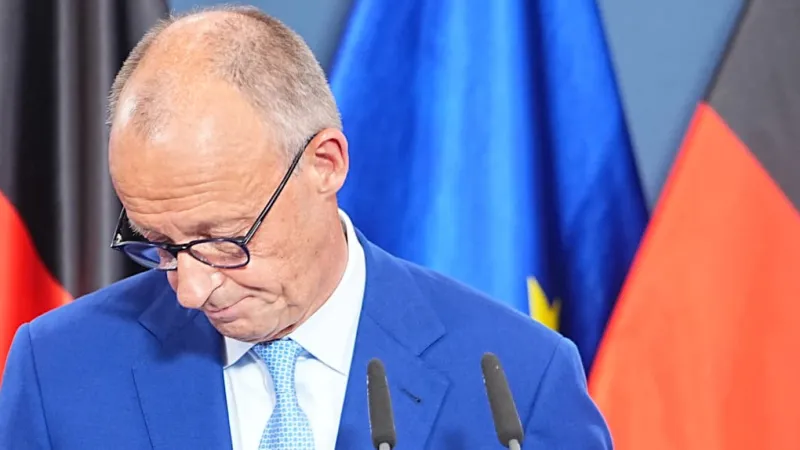
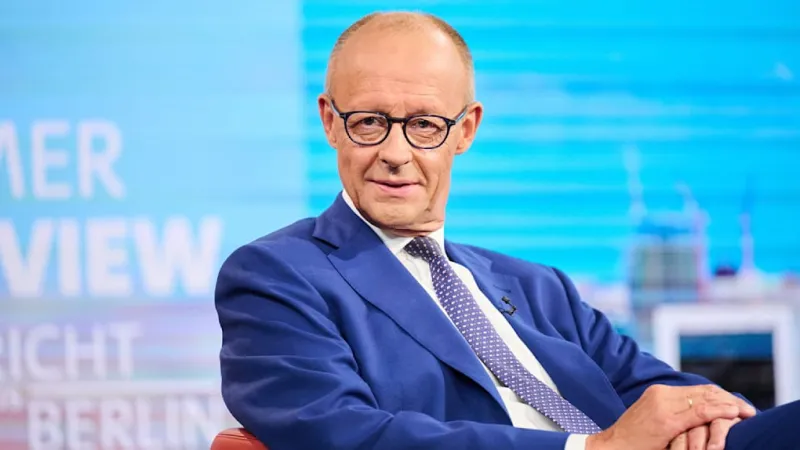
Chancellor Merz, leader of the rival Christian Democratic Union (CDU), is expected to weigh in on these results. His post-election statement will likely address the implications for his party and the national political dialogue, especially given the surge in voter turnout that often accompanies such polarizing electoral contests. The CDU itself has faced its own challenges, with some analysts pointing to Berlin's perceived cold shoulder as a factor in previous state election campaigns.
The AfD's strategy of focusing on issues like immigration, economic anxieties, and perceived government overreach appears to resonate strongly with a significant portion of the electorate in Mecklenburg-Vorpommern. This approach has allowed the party to effectively set elements of the German political agenda, compelling other parties to react and adapt.
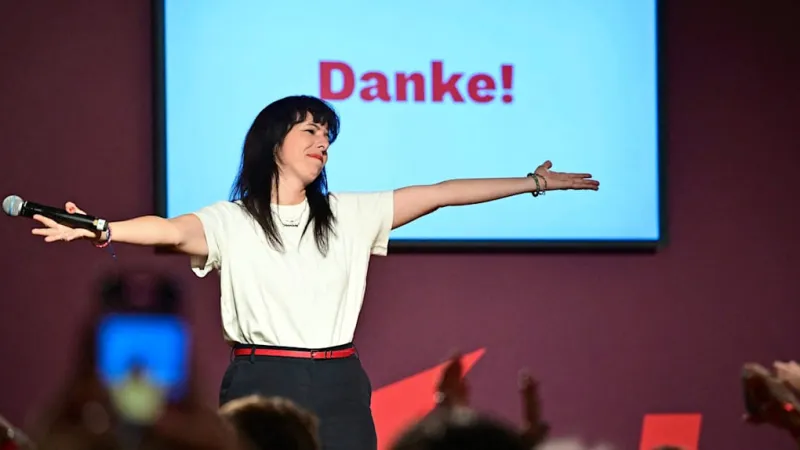
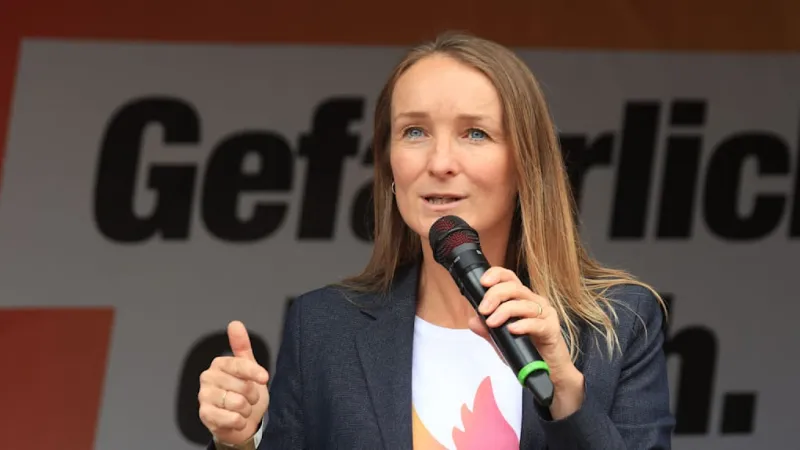
Manuela Schwesig, a popular figure in the state, will likely face renewed pressure to form a stable governing coalition amidst the altered political arithmetic. The task of assembling a functional government may become more intricate as the influence of the AfD cannot be ignored in the broader political discourse, even if other parties maintain a firewall against direct cooperation.
The subdued reaction from the SPD on election night was a potent visual cue of the new political reality. What might have been an occasion for unbridled celebration became an evening of introspection, highlighting the uncomfortable truth that even a victory can feel like a setback when the political fringes gain ground.
Looking ahead, the results from Mecklenburg-Vorpommern will undoubtedly fuel debates within German political circles regarding strategies to counter the AfD's rise. It will force a re-evaluation of how mainstream parties engage with voters who feel disenfranchised, and how they can articulate a compelling vision that addresses widespread concerns without alienating their core supporters. The challenge for the SPD and other established parties remains clear: to secure not just electoral victories, but also a broader mandate of public trust in an increasingly fragmented political landscape.