 Edward DP Situmorang
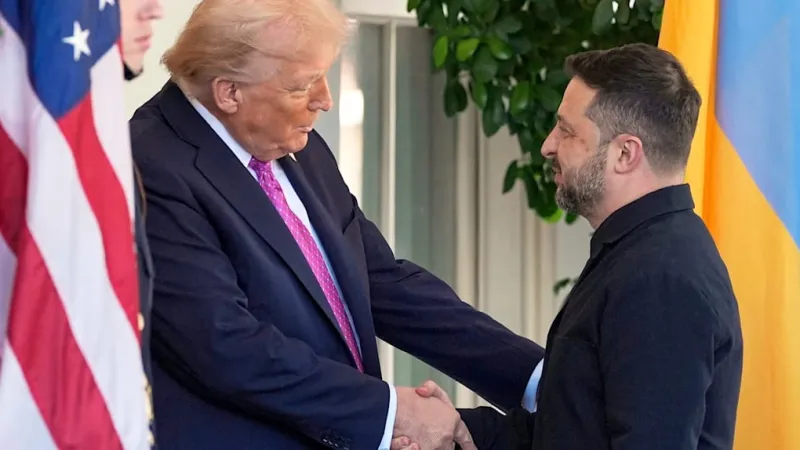
Washington D.C. – Ukrainian President Volodymyr Zelenskyy is set to meet with President Donald Trump at the White House on Tuesday, poised to engage from a position of unexpected strength. Unlike previous encounters, Kyiv's leader arrives with several crucial geopolitical parameters shifting decidedly in Ukraine's favor, a strategic advantage he intends to fully leverage during these high-stakes discussions.
Analysts suggest this newfound leverage stems from a confluence of factors, including sustained battlefield resilience, an uptick in European military commitments, and evolving domestic political sentiments within key allied nations. The upcoming Zelenskyy Trump meeting is thus anticipated to be markedly different from past exchanges, which often saw Zelenskyy in a more supplicant role.
One significant shift is the demonstrable progress made by Ukrainian forces in recent months, which has defied earlier predictions of a protracted stalemate. These operational successes, though hard-won, have bolstered Kyiv's standing and demonstrated the efficacy of international aid when coupled with strategic execution.
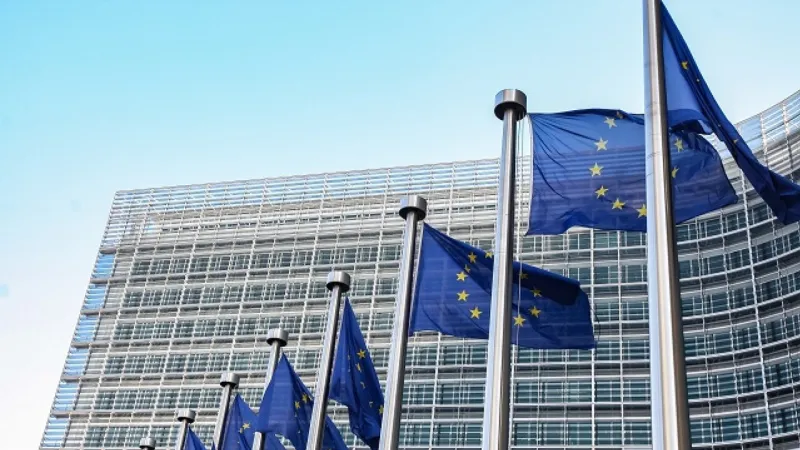
Furthermore, European Union member states have recently solidified long-term financial and military assistance packages for Ukraine, diminishing, to some extent, Kyiv's absolute reliance on Washington's singular generosity. This broader burden-sharing among allies strengthens Zelenskyy's hand, allowing him to present a more unified front.
The White House agenda is expected to cover critical areas such as continued military support, reconstruction efforts, and Ukraine's path towards Euro-Atlantic integration. President Trump, known for his transactional approach to foreign policy, will likely assess Ukraine's demonstrated self-reliance and the tangible impact of U.S. investments.
Sources close to the Ukrainian delegation indicate Zelenskyy plans to articulate a clear vision for an end-state resolution, one that aligns with Ukraine's sovereignty and territorial integrity while addressing the complexities of regional security. This proactive stance aims to shape the narrative and present viable pathways forward.
Observers note President Trump's foreign policy has historically emphasized American interests first, sometimes leading to unexpected diplomatic maneuvers. His recent decision to reject Netanyahu's F-35 objections while affirming a Turkey deal exemplified his willingness to chart an independent course, a factor Zelenskyy must navigate carefully.
The meeting also comes amid heightened global tensions, with the ongoing conflict in Eastern Europe serving as a litmus test for international alliances and the efficacy of collective security frameworks. The outcome of the Zelenskyy Trump meeting could reverberate far beyond the Oval Office, influencing global stability.
Domestic political considerations in both the United States and Ukraine also loom large. For President Trump, demonstrating effective foreign policy leadership ahead of midterm elections could be a key objective. For Zelenskyy, securing continued unwavering support remains paramount for national morale and strategic planning.
Diplomatic experts believe Zelenskyy's strategy involves presenting not just requests, but also concrete proposals for Ukraine's future, backed by a proven track record and diversified international backing. This proactive engagement, rather than mere plea, defines the new dynamic of this crucial summit.
The Ukrainian president's advisors have reportedly spent weeks refining a presentation that underscores Ukraine's indispensable role in broader European security, positioning the nation not merely as a recipient of aid, but as a critical bulwark against broader destabilizing forces.
While specific details of Zelenskyy's planned approach remain guarded, the consensus among foreign policy analysts is that it involves showcasing Ukraine's heightened strategic value and emphasizing the cost of inaction versus the benefits of sustained support, leveraging the shifting parameters to his advantage.
The international community watches closely, understanding that the discussions between these two leaders could either solidify the foundations of future support for Ukraine or introduce new uncertainties into an already volatile geopolitical landscape.