 Dorry Archiles
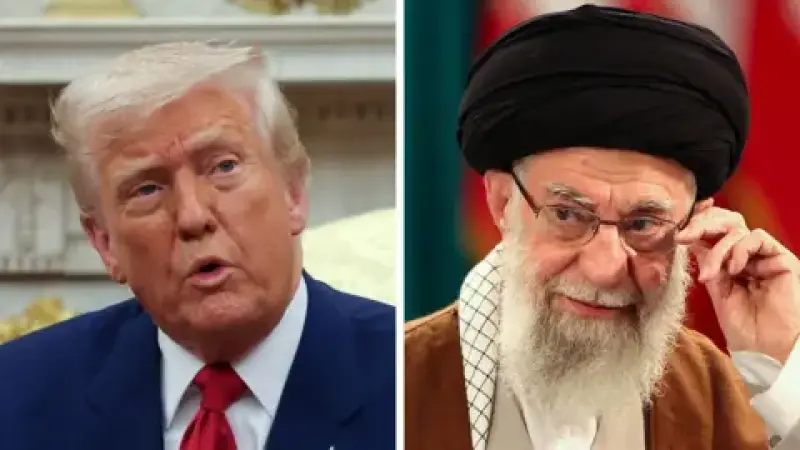
WASHINGTON — President Donald Trump is set to convene an urgent, top-level Situation Room meeting at the White House today to address escalating tensions with Iran, as prospects for a renewed nuclear deal appear increasingly dim. The high-stakes assembly will gather key national security officials to strategize the United States next steps regarding Tehrans nuclear ambitions and regional actions, signaling a pivotal shift in diplomatic approach.
This critical convocation comes after months of stalled negotiations and diplomatic setbacks aimed at reining in Tehrans nuclear program and its destabilizing influence across the Middle East. Administration officials, speaking on background, indicated a growing consensus that previous strategies have not yielded the desired results, necessitating a comprehensive policy review.
Expected attendees include Secretary of State, Secretary of Defense, National Security Advisor, the Director of National Intelligence, and the Chairman of the Joint Chiefs of Staff. Their collective expertise will inform President Trumps decisions on navigating a complex geopolitical landscape increasingly defined by Iranian assertiveness.
President Trump has consistently maintained a skeptical view of the original Joint Comprehensive Plan of Action (JCPOA), from which the United States withdrew during his first term. He has repeatedly criticized the accord as fundamentally flawed, asserting it failed to adequately address Irans ballistic missile program or its support for proxy forces.
Intelligence assessments from early 2026 suggest that Iran has continued to advance its nuclear capabilities, including enriched uranium stockpiles, far beyond the limits previously observed under the JCPOA. This development has heightened concerns among international watchdog agencies and allied nations.
The immediate impetus for this meeting includes recent reports of Irans continued harassment of international shipping in the Strait of Hormuz and its alleged supply of advanced weaponry to non-state actors in the region. These actions are viewed by Washington as direct challenges to global stability and American interests.
Among the policy options expected to be debated are a significant increase in economic sanctions targeting Irans oil and financial sectors, enhanced military deterrence posture in the Persian Gulf, and renewed efforts to build a broader international coalition to exert diplomatic pressure on Tehran.
International allies, particularly European nations that were party to the original nuclear agreement, have expressed growing frustration over the lack of a clear path forward. While sharing concerns about Irans actions, they have often advocated for diplomatic solutions over more confrontational approaches.
The economic ramifications of further escalation are also a major concern. Analysts project that any significant disruption to oil supplies from the Middle East could trigger a global energy crisis, impacting consumer prices and economic stability worldwide.
This Situation Room summit harkens back to President Trumps administrations “maximum pressure” campaign, initiated after the US withdrawal from the JCPOA. That campaign imposed stringent sanctions designed to cripple Irans economy and compel it to negotiate a more comprehensive agreement.
Politically, President Trump faces the delicate task of demonstrating decisive leadership on foreign policy while avoiding miscalculations that could lead to unintended consequences. His approach to Iran will undoubtedly be a defining aspect of his current term.
Regional partners like Israel and Saudi Arabia, long wary of Irans ambitions, are closely monitoring Washingtons deliberations. They have consistently urged a firm stance against Tehran and are likely to welcome any policy shift that strengthens deterrence.
Meanwhile, Iranian officials have publicly stated their readiness to negotiate only under conditions that respect their sovereignty and national interests, often dismissing US demands as unrealistic or interventionist.
The role of Congress also looms large, particularly regarding any actions that might necessitate military engagement or significant new appropriations. Bipartisan support for a robust Iran policy remains a complex issue on Capitol Hill.
Experts in non-proliferation and Middle Eastern affairs are divided on the efficacy of a renewed “maximum pressure” campaign versus a return to multilateral diplomacy. Many caution against policies that could further isolate Iran or push it closer to a weaponized nuclear capability.
This high-level Situation Room meeting underscores the gravity of the Iran challenge for President Donald Trumps administration. The outcome of these deliberations will set the course for American foreign policy in a volatile region for the foreseeable future.