 Angela Stefani
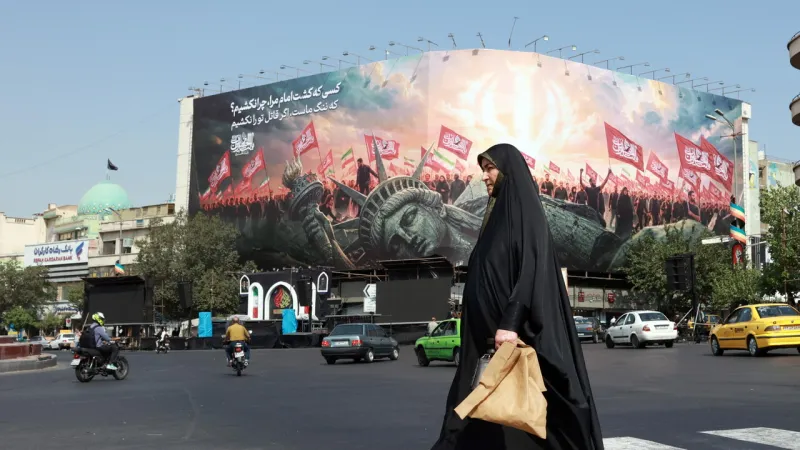
STRAIT OF HORMUZ New United States military raids in the vicinity of the Strait of Hormuz have significantly escalated regional tensions, prompting an immediate and strong declaration from Tehran. Iran has vowed decisive retaliation against what it considers acts of aggression, simultaneously engaging in high-level diplomatic outreach. Iranian President Pezeshkian recently met with both Russian President Vladimir Putin and Chinese President Xi Jinping, securing vocal support from the Kremlin amidst the mounting geopolitical pressure.
The latest American military operations near the vital global shipping lane mark a perilous intensification of the already fraught relationship between Washington and Tehran. These actions, undertaken by US forces, underscore President Donald Trumps administration's assertive posture in the Middle East, particularly concerning Iran's regional activities and nuclear program.
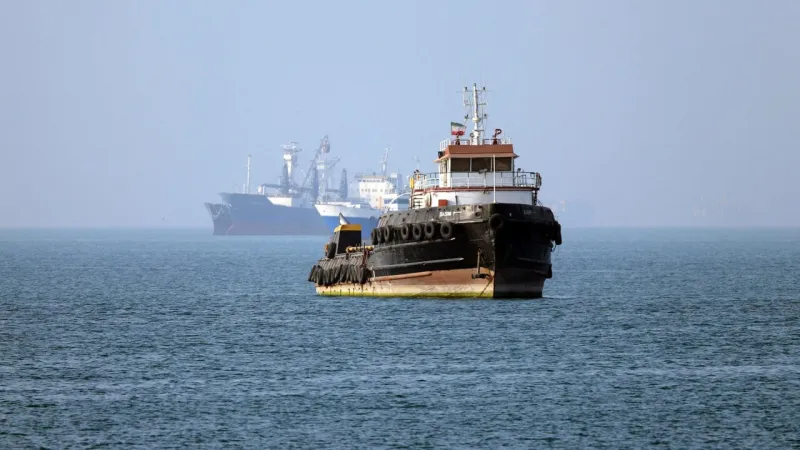
The Strait of Hormuz, a narrow choke point between the Persian Gulf and the Gulf of Oman, remains critically important for global energy markets, with a substantial portion of the worlds seaborne oil passing through it daily. Any military action or threat of disruption in this area sends immediate ripples across international commerce and security.
Tehran's announcement of decisive reprisal signals its firm resolve to counter perceived threats. While specific details of the planned retaliation remain undisclosed, Iranian military strategists have historically emphasized asymmetric warfare capabilities, including naval exercises, drone operations, and support for regional proxy forces.
This declaration follows a pattern of heightened rhetoric and sporadic confrontations in the region, which have included tanker seizures, attacks on shipping, and various forms of cyber warfare. The immediate aftermath of these new US raids sees regional stability at a precarious crossroads.
Concurrently with the escalating military standoff, President Pezeshkian embarked on a crucial diplomatic tour, engaging key international players. His meetings with President Putin in Moscow and President Xi in Beijing were aimed at solidifying Iran's geopolitical standing and garnering support against Western pressures.
The Kremlin's explicit backing of Tehran, as reported following Pezeshkian's meeting with President Putin, reinforces the growing alignment between Russia and Iran. This strategic partnership often positions itself as a counterweight to US influence in the Middle East and on the global stage, encompassing military, economic, and political cooperation.
Similarly, discussions with President Xi Jinping signify Iran's enduring efforts to strengthen ties with China, a major global energy consumer and an economic powerhouse. Beijing's engagement with Tehran often focuses on energy security and infrastructure investment, maintaining a delicate balance in its relations with both Middle Eastern states and Western powers.
Analysts suggest that Iran's dual approach of issuing strong warnings while simultaneously seeking diplomatic alliances reflects a calculated strategy. This aims to deter further US military actions while building a coalition of nations resistant to what they view as American hegemony.
The geopolitical chessboard in 2026 sees renewed urgency as traditional alliances are tested and new axes of power emerge. The implications of direct US military engagement in such a sensitive region, coupled with Iran's determined response and strengthened foreign policy, pose significant challenges to international peacemaking efforts.
Observers note that the US administrations past actions, particularly under President Trump, have consistently sought to curtail Iran's influence and nuclear ambitions through a combination of sanctions and military deterrence. These latest raids appear to be a continuation of that policy, albeit with heightened stakes.
The possibility of miscalculation on either side remains a paramount concern. With both Washington and Tehran expressing resolve, the potential for a wider, more devastating conflict in an already volatile region casts a long shadow over global security.