 Demian Sahputra
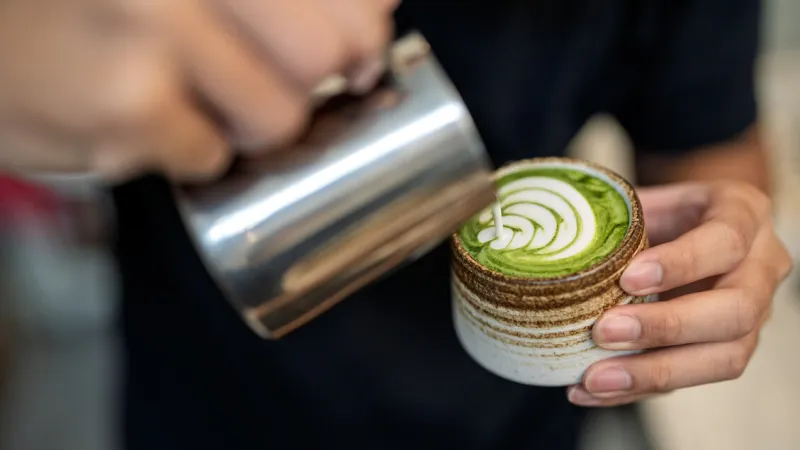
Matcha, the vibrant green powdered tea deeply rooted in a 9th-century Buddhist ritual, has undergone a remarkable metamorphosis, transitioning from a sacred beverage to an omnipresent ingredient in contemporary global gastronomy. What was once exclusively steeped for meditative ceremonies in East Asia now finds itself infused into everything from artisan ice creams and gourmet cookies to elaborate tiramisu, captivating palates worldwide with its unique flavor and distinctive hue. This profound cultural and culinary shift highlights an unprecedented global embrace of the ancient powdered tea.
The history of matcha traces back to Tang Dynasty China, where Buddhist monks prepared powdered tea for its invigorating and meditative properties. It was during this era, specifically the 9th century, that its consumption became intertwined with spiritual practices, serving as an aid for focus and tranquility during prolonged meditation sessions. The meticulous cultivation and preparation methods, including shading the tea plants before harvest and stone-grinding the leaves, were developed to preserve and enhance its unique characteristics.
The introduction of matcha to Japan in the late 12th century by Buddhist monk Eisai proved pivotal. Eisai, after studying in China, brought tea seeds and the practice of powdered tea preparation back to his homeland, advocating for its health benefits and its role in Zen Buddhist monastic life. His teachings, detailed in his book "Kissa Yojoki" (Drinking Tea for Health), laid the foundation for what would become the elaborate Japanese tea ceremony, or "Chanoyu."
For centuries, matcha remained largely confined to the realm of Zen monasteries and the upper echelons of Japanese society, particularly among samurai and aristocrats who appreciated its nuanced flavors and the profound etiquette of the tea ceremony. This ritualistic preparation, emphasizing harmony, respect, purity, and tranquility, elevated matcha beyond a mere drink to a spiritual art form, meticulously practiced and passed down through generations.
The journey of matcha from an exclusive ritualistic component to a global food trend began in earnest in the early 21st century. Its initial resurgence in Western markets was driven by growing consumer interest in healthy foods, superfoods, and authentic Asian culinary traditions. Social media platforms also played a significant role, showcasing matcha's vibrant green color and photogenic appeal, transforming it into an aesthetic emblem of healthy living.
A primary catalyst for matcha's widespread appeal lies in its perceived health benefits. Unlike traditional steeped teas where leaves are discarded, consuming matcha involves ingesting the entire tea leaf, thereby maximizing its nutritional intake. It is rich in antioxidants, particularly catechins like EGCG, which are linked to combating chronic diseases. Furthermore, it contains L-theanine, an amino acid that promotes a state of relaxed alertness, differentiating its caffeine effect from that of coffee.
The true explosion of matcha's popularity in recent years stems from its remarkable versatility as a culinary ingredient. Beyond the traditional hot or cold beverage, chefs, baristas, and home cooks have ingeniously incorporated it into an expansive range of sweet and savory applications. It now flavors decadent matcha lattes, refreshing smoothies, and even intricate cocktails, becoming a staple in beverage menus globally.
The dessert landscape has witnessed a particular proliferation of matcha-infused creations. From delicate macarons and fluffy pancakes to rich cheesecakes and creamy panna cotta, matcha lends a distinct earthy, slightly bitter, yet refreshing counterpoint to sweetness. Its striking green hue also makes it an aesthetically pleasing component, enhancing the visual appeal of many confectionery items. The mention in the RSS of gelato, biscotti, and tiramisu perfectly illustrates this trend.
The burgeoning demand has fueled a significant expansion in the global matcha market. Major food and beverage corporations, alongside countless independent cafes and specialty retailers, have introduced matcha product lines, ranging from ready-to-drink beverages to baking mixes. This market growth is testament to its successful transition from niche product to a mainstream commodity, impacting global supply chains and agricultural practices in tea-growing regions.
As matcha has traversed continents, it has seamlessly integrated into diverse culinary traditions, often blending with local flavors and preparation styles. In Italy, for instance, it appears in tiramisu, offering a Japanese twist on a classic dessert. In the United States, matcha has been incorporated into everything from breakfast bowls to protein shakes, adapting to varied dietary preferences and lifestyles.
However, the rapid commercialization of matcha also raises questions regarding authenticity and quality. Consumers now navigate a market with ceremonial-grade matcha, ideal for traditional preparation, and culinary-grade matcha, better suited for baking and mixing. Educating the public on these distinctions remains crucial for maintaining the integrity of the product and respecting its rich heritage.
The increasing global demand also brings sustainability considerations to the forefront for tea producers. Ensuring ethical sourcing, environmentally friendly cultivation practices, and fair labor standards become paramount as the industry expands. Conscious consumers are increasingly seeking out brands that prioritize these aspects, aligning with a broader trend towards responsible consumption.
Looking ahead, the matcha phenomenon shows no signs of waning. Innovation continues to drive its integration into new product categories, potentially extending its reach into health supplements, cosmetics, and even savory main courses. Its unique profile and cultural resonance position it for sustained growth as consumers continue to seek novel, functional, and aesthetically pleasing food experiences.
Ultimately, matcha's journey from a solemn Buddhist ritual of the 9th century to a vibrant, ubiquitous culinary trend is a testament to its enduring appeal and adaptability. It encapsulates a broader movement where ancient traditions are reinterpreted and embraced by modern society, proving that even centuries-old practices can find new life and relevance in an ever-evolving global food landscape.