 Dodi Irawan
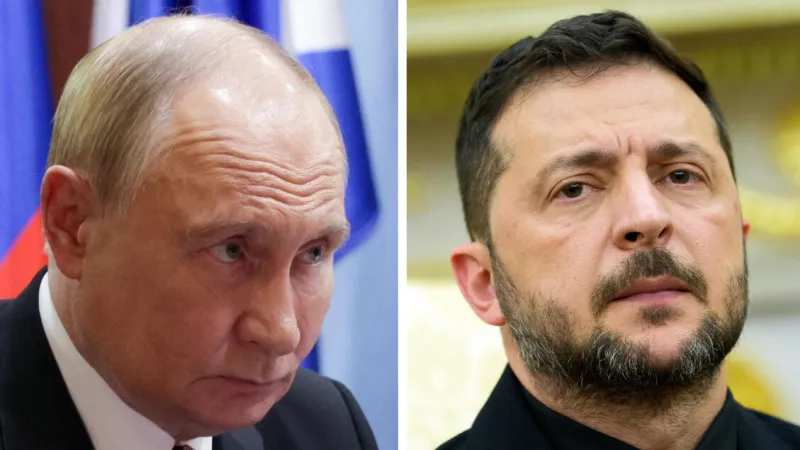
KYIV – Ukrainian President Volodymyr Zelensky has issued an open letter to Russian President Vladimir Putin, formally proposing a direct meeting to address the protracted conflict. Putin, in a subsequent statement from the Kremlin, indicated Russia's readiness for a peaceful resolution but firmly rejected the necessity of an immediate truce, while concurrently suggesting former German Chancellor Gerhard Schroeder as a potential mediator. These diplomatic maneuvers unfold as the United States prepares to dispatch additional aid to the Ukrainian capital, Kyiv, reinforcing its commitment to the embattled nation.
Zelensky's appeal marks a significant direct overture from Kyiv, aiming to bypass stalled negotiations and foster a high-level dialogue that could potentially break the current stalemate. The letter's specific contents beyond the call for a meeting remain undisclosed, but sources close to the Ukrainian administration suggest it emphasizes the urgency of de-escalation and humanitarian concerns.
President Putin's response, conveyed through official Russian channels, underscored Moscow's consistent position that it is amenable to a peaceful settlement. However, his rejection of a truce without a comprehensive agreement signals a different tactical approach, emphasizing a desire for definitive resolution over temporary cessation of hostilities.
The reintroduction of Gerhard Schroeder as a potential intermediary represents a familiar, yet contentious, proposal from Moscow. Schroeder, a long-time associate of Putin and former chairman of Russian state-owned energy companies, has previously attempted to facilitate dialogue, though his perceived proximity to the Kremlin has often drawn criticism from Western allies. His involvement could signal an attempt by Russia to leverage established personal relationships in the negotiation process.
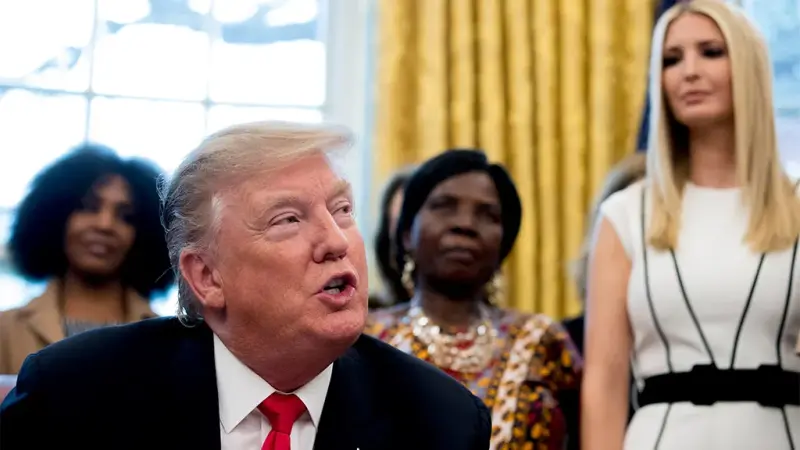
Concurrently, President Donald Trump's administration is advancing plans for further military and humanitarian assistance to Kyiv. This new round of aid reaffirms the unwavering support of the United States for Ukraine's sovereignty and territorial integrity, providing crucial resources as the conflict continues. The specific details of the aid package are expected to be announced in the coming days, following congressional approvals.
The prospect of renewed talks, even with significant preconditions, has garnered cautious attention from international observers. Many nations have consistently advocated for a diplomatic resolution, though the mechanisms and participants for such discussions remain a point of contention. The European Union has also expressed a desire for a peaceful end to hostilities, aligning with general calls for de-escalation.
This diplomatic exchange unfolds against a complex geopolitical backdrop, marked by persistent tensions and ongoing military engagements. Both sides have maintained firm stances on their core demands, making any breakthrough in negotiations particularly challenging. The international community largely views these developments as a test of diplomatic efficacy in a high-stakes conflict.
Previous attempts at high-level direct engagement between the two leaders or their representatives have yielded limited success, often collapsing over fundamental disagreements regarding territorial claims and security guarantees. This history casts a long shadow over the current exchange, prompting skepticism regarding immediate breakthroughs despite the overtures.
Russia's strategic maneuvering on the diplomatic front extends beyond direct talks with Ukraine. President Putin has, for instance, previously commended Germany's AfD amid broader geopolitical tensions, a move that highlighted Moscow's efforts to cultivate relationships across the European political spectrum. Putin Commends Germany's AfD Amid Geopolitical Tensions, which could be interpreted as part of a wider strategy to influence European policy.
The coming weeks will likely reveal whether Zelensky's latest direct appeal and Putin's conditional response can pave the way for substantive dialogue or if they merely represent another phase in the ongoing diplomatic impasse. The commitment of international partners, particularly the United States, to bolster Ukraine's defensive capabilities remains a critical factor influencing the dynamics of any potential peace negotiations.
The impending US aid package is not just a material contribution; it sends a powerful message of sustained international backing for Ukraine. This support is crucial for bolstering morale and maintaining defensive capabilities, directly impacting Ukraine's leverage in any future negotiations.
Ultimately, while the open letter and the subsequent reaction demonstrate a continued albeit complex engagement with the idea of peace, the path to a lasting resolution remains fraught with significant obstacles. The world watches for any genuine indications of a willingness to compromise that could translate into tangible steps towards ending the prolonged conflict.