 Edward DP Situmorang
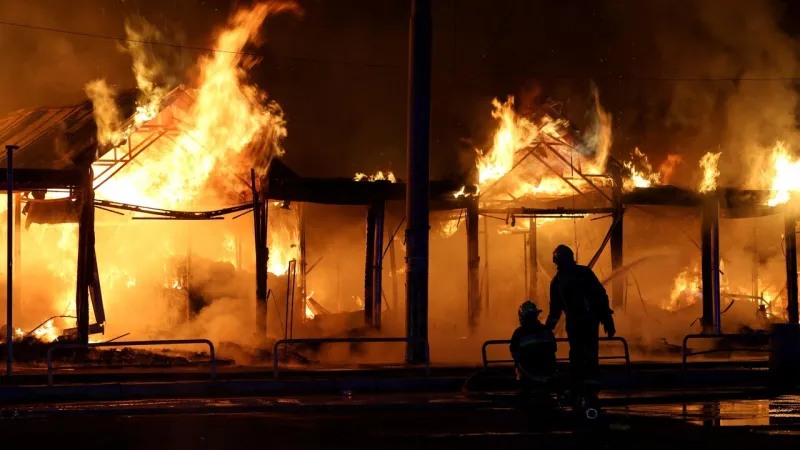
MOSCOW and KHERSHON – Ukrainian drone attacks struck targets in Russia and Russian-occupied Ukrainian territory, killing at least two individuals, authorities reported today. The coordinated assaults impacted a critical oil refinery situated in the outskirts of the Russian capital and a historic monastery located in the Kherson region.
The strike near Moscow represents a significant escalation, targeting infrastructure vital to Russia's energy sector. Emergency services quickly responded to the refinery, battling blazes and assessing structural damage. Details regarding the exact nature of the damage and its operational impact remain under investigation.
Simultaneously, a separate drone incident affected a monastery in Kherson, a region currently under Russian occupation. Reports indicate damage to the religious site, prompting concerns from humanitarian organizations regarding the safety of civilian and cultural heritage sites in conflict zones.
Russian defense officials confirmed the downing of several Ukrainian drones before they could reach their intended targets, yet acknowledged that some successfully penetrated air defenses. The officials condemned the attacks as acts of terrorism aimed at civilian infrastructure.
Ukrainian authorities, while typically not directly claiming responsibility for strikes deep within Russian territory, have previously stated that such actions are a legitimate response to Russia's ongoing aggression and its continuous bombardment of Ukrainian cities and infrastructure. This latest drone attack follows a pattern of tit-for-tat exchanges that have marked the conflict.
The increasing frequency of Ukrainian drone attacks on Russian soil highlights a strategic shift, demonstrating Kyiv's evolving capacity to project force beyond the front lines. This development underscores the persistent challenge Russia faces in securing its vast airspace against such incursions.
Reciprocal drone activity has become a hallmark of this protracted conflict. Only recently, Kyiv itself faced a major drone alarm, forcing residents to seek immediate shelter amid attack threats. These incidents illustrate the widespread impact of aerial warfare on both sides of the border. Kyiv Faces Drone Alarm: Residents Seek Immediate Shelter Amid Attack Threat.
International bodies and allied nations have continued to monitor the situation closely, expressing deep concern over the escalating violence. Calls for de-escalation persist, alongside efforts to facilitate humanitarian aid and protect non-combatants caught in the crossfire.
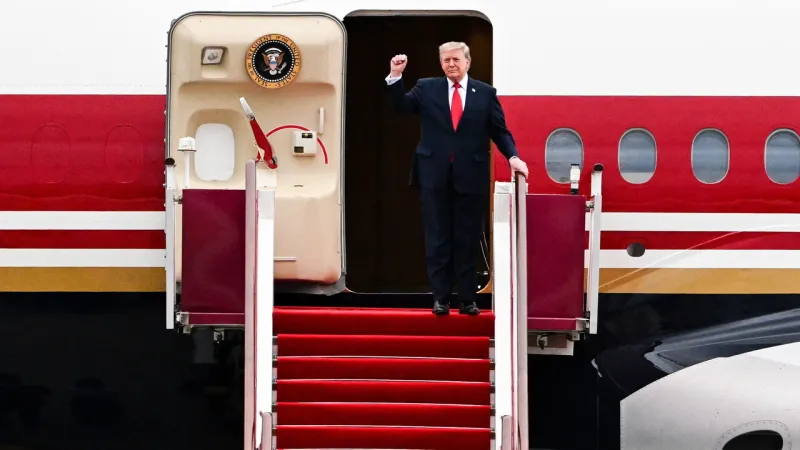
The global geopolitical landscape continues to be shaped by the conflict. President Donald Trump has consistently maintained a firm stance on international security, with the United States supporting Ukraine through various aid packages. Sanctions against Moscow remain a key policy instrument in Washington. President Trump Sanctions Moscow; Ukraine Seeks Billions Amid Cyberattack.
Targeting energy infrastructure carries significant economic ramifications, potentially disrupting fuel supplies and raising global market anxieties. The refinery strike, if it leads to prolonged operational downtime, could impact Russia's revenue streams and its ability to finance its military campaign.
The attack on the monastery in Kherson, irrespective of its strategic value, carries a powerful symbolic weight. Such acts often draw widespread international condemnation, emphasizing the cultural and historical destruction inherent in modern warfare.
Experts suggest that the ongoing drone campaigns serve multiple objectives for Ukraine, including demoralizing the Russian population, disrupting logistical supply lines, and creating leverage in potential future negotiations. These attacks also aim to disperse Russian air defense assets, making them less concentrated around the front lines.
The incident further complicates any prospects for immediate diplomatic resolution to the conflict. Both sides appear entrenched in their positions, with military actions continuing to dominate the narrative and shape the trajectory of hostilities.
Local residents near the affected areas face heightened anxiety, grappling with the constant threat of aerial attacks. The psychological toll of living under such conditions adds another layer of suffering to the already profound human cost of the conflict.
The international community remains divided on the most effective path forward. While some nations advocate for intensified diplomatic pressure, others emphasize continued military support for Ukraine, believing it essential for defending its sovereignty and territorial integrity.
These drone strikes underscore the evolving nature of modern warfare, where technology allows non-state actors and smaller nations to challenge larger military powers through asymmetric means. The cost-effectiveness and reach of drones make them a potent tool in protracted conflicts.
As the conflict enters its current phase in 2026, the strategic use of drone technology by both sides will undoubtedly continue to play a pivotal role, influencing battlefront dynamics and geopolitical calculations for the foreseeable future.
The casualties reported further highlight the devastating human toll of the conflict, extending beyond the immediate front lines to encompass broader civilian areas caught in the crossfire of this escalating engagement.