 Stefani Rindus
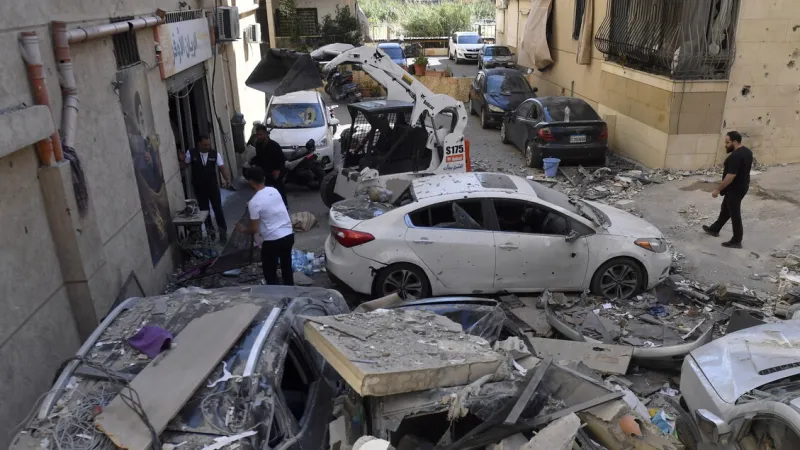
BEIRUT, LEBANON – Israel and Lebanon have reportedly forged a significant truce agreement that delineates security zones along their shared border, pointedly excluding the Iran-backed militant group Hezbollah from these crucial areas. This development unfolds amidst escalating violence in the wider region, notably marked by recent Israeli Defense Forces (IDF) raids on residential complexes in Gaza City, which tragically resulted in the deaths of nine people, including four children, according to reports from Al-Jazeera, which claimed no prior warning was issued.
The accord between the two nations aims to de-escalate persistent cross-border tensions that have simmered for decades, periodically erupting into open conflict. While specifics of the truce remain under wraps, the establishment of designated security zones suggests an effort to create a buffer against future hostilities and assert control over contested territories.
Hezbollahs explicit exclusion from these newly defined security areas introduces a complex layer of enforcement and potential friction. The powerful Shiite movement, a significant political and military force in Lebanon, has historically maintained a strong presence in the southern border regions, viewing itself as a bulwark against Israeli aggression. Its absence from the agreement poses questions about its willingness to adhere to the terms.
Concurrently, the Gaza Strip remains a flashpoint of profound concern. The IDF operations in Gaza City targeted residential areas, leading to a significant civilian casualty count. Al-Jazeera journalists on the ground reported the attacks occurred without any prior notification, a detail that has drawn swift international condemnation and reignited calls for investigations into potential violations of international humanitarian law.
The simultaneous pursuit of a truce with Lebanon and aggressive military action in Gaza underscores the multifaceted and often contradictory nature of Israels security strategy in 2026. While seeking a measure of stability on its northern frontier, the nation continues its intensive campaign against Hamas and other militant groups operating from Gaza.
Historical context is paramount when assessing the fragility of any Israel-Lebanon agreement. The two countries have technically been in a state of war for decades, punctuated by major conflicts in 1982, 2000, and 2006. Previous attempts at long-term peace have often faltered due to the intricate interplay of internal Lebanese politics, regional proxy battles, and Israels own security imperatives.
The agreement, as reported, indicates a direct bilateral engagement, although the involvement of international mediators or guarantees is yet to be fully disclosed. Such mechanisms are often critical in ensuring the longevity and enforceability of peace accords between historically antagonistic states.
Regional reactions to this Lebanon-Israel truce are anticipated to be varied. While some international actors may welcome any step towards de-escalation, Hezbollahs leadership is expected to voice strong opposition to its exclusion, potentially complicating the implementation of the security zones on the ground. Iran, a key backer of Hezbollah, will also be closely monitoring developments, particularly in light of President Donald Trumps diplomatic efforts concerning the region, as outlined in reports like Trump Optimistic on Iran Deal As Regional Tensions Flare.
For Israel, the primary objective of establishing security zones is likely to enhance its northern border defense and prevent infiltrations or rocket attacks originating from Lebanese territory. The exclusion of Hezbollah from these areas is a clear signal of Israels intent to neutralize perceived threats from the group.
Humanitarian organizations have expressed deep concern over the civilian toll in Gaza. The targeting of residential complexes and the reported lack of warning raise critical questions about civilian protection in conflict zones. Simultaneously, any establishment of new security zones, particularly if poorly managed, could lead to displacement or restricted movement for Lebanese border communities.
The broader regional stability agenda remains a significant focus for President Donald Trumps administration in 2026. While the US has often played a mediating role in Middle Eastern conflicts, its current approach emphasizes bilateral agreements and regional alliances to address security challenges.
The complex security landscape of the Middle East is further exemplified by other recent developments, such as the arrest of a student by Israeli forces on suspicion of Hamas links, as detailed in Israeli Forces Arrest Student Bound for Rome, Cite Hamas Terror Link. These events collectively highlight the pervasive nature of security concerns that shape daily life and political maneuvering across the region.
The efficacy of this new truce will hinge largely on Hezbollahs response. If the group perceives the agreement as an affront to its sovereignty or strategic interests, it could undermine the fragile peace, potentially leading to renewed confrontations along the border, regardless of the official agreement.
Ultimately, while the Israel-Lebanon truce agreement represents a potential step towards de-escalation in one critical arena, the simultaneous violence in Gaza serves as a stark reminder of the regions enduring volatility. The path to lasting peace in the Middle East remains fraught with challenges, requiring sustained diplomatic efforts and a genuine commitment from all parties to uphold negotiated terms.