 Edward DP Situmorang
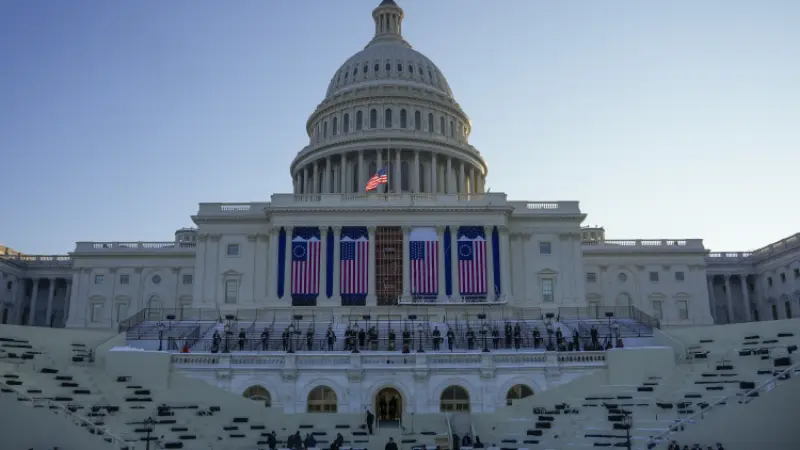
WASHINGTON — Control of the US Senate hangs precariously in the balance as both Republicans and Democrats steel themselves for the fiercely contested 2026 midterm elections, with strategists identifying a handful of pivotal races across the nation that could definitively determine legislative power for the remainder of President Donald Trumps term. These contests, ranging from battleground states with vulnerable incumbents to open seats attracting diverse fields of candidates, will define the political narrative and legislative agenda for the next Congress.
The upcoming 2026 Senate races carry immense weight, determining not only which party holds the majority but also the fate of key policy initiatives, judicial appointments, and the overall legislative direction of the federal government. With the current Senate split narrowly, every seat becomes a critical battleground.
Several states stand out as prime targets for a partisan shift. Political analysts point to states where incumbent senators are either retiring, face significant primary challenges, or operate in electorates that have shown a recent inclination to vote for the opposing party at the presidential level. These races represent the most direct paths to a change in the Senate balance.
One such hotbed is the race in Arizona, where a first-term Republican senator is expected to face a robust challenge from a well-funded Democratic contender. The Grand Canyon State has demonstrated a tendency to swing between parties in recent election cycles, making this a true test of candidate appeal and grassroots mobilization. The outcome here will be closely scrutinized by both national parties.
Similarly, an open seat in Pennsylvania, created by the retirement of a long-serving Democratic senator, presents a significant opportunity for Republicans. The state, a perennial swing state, will see a competitive primary on both sides, setting the stage for an expensive and high-stakes general election where control of the chamber could ultimately be decided.
While most focus remains on the toss-up contests, Democrats are also exploring opportunities in states traditionally considered Republican strongholds. These long shot races, though challenging, are viewed as essential for expanding the partys electoral map and building future competitiveness. Even a narrow defeat in such a state can yield valuable organizational benefits.
In Missouri, for instance, a relatively unknown Democratic challenger is making an unexpected push against a popular Republican incumbent. While the odds remain steep, strategists believe a confluence of local issues and a particularly strong candidate could create a surprise outcome, albeit one that requires significant investment and a flawless campaign.
President Donald Trumps influence remains a paramount factor in nearly all 2026 Senate races. His endorsement, or lack thereof, can significantly shape primary outcomes and galvanize base voters in general elections. Both parties will be navigating a political landscape heavily defined by the presidents agenda and public perception of his administration.
Beyond candidate personalities, the campaigns will undoubtedly center on crucial national issues. The economy, immigration policy, healthcare accessibility, and environmental regulations are expected to dominate debates, providing clear distinctions between the partys platforms. Voters will weigh these policy stances heavily as they cast their ballots.
Massive fundraising efforts are already underway, with national party committees and super PACs pouring resources into these competitive states. The ability of candidates to raise significant capital, build robust ground operations, and effectively communicate their messages will be paramount to success in the expensive media markets.
Ultimately, voter turnout will be a deciding factor. Both Republicans and Democrats are investing heavily in voter registration drives and get-out-the-vote initiatives, particularly among demographic groups critical to their respective coalitions. The intensity of voter engagement in a midterm year often dictates the final results.
As the 2026 election cycle gains momentum, the battle for the Senate promises to be a captivating and intensely fought contest. The outcomes in these key races will not merely shift the balance of power; they will profoundly shape the legislative agenda and political direction of the United States for years to come.