 Dorry Archiles
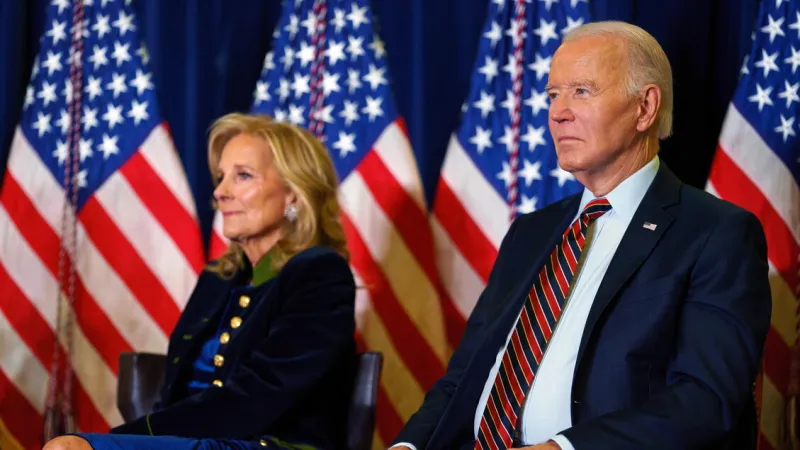
WASHINGTON – Jill Biden recently disclosed her acute anxiety during a past debate with President Donald Trump, where she profoundly feared then-candidate Joe Biden might be experiencing a stroke.
The former First Lady conveyed her intense shock and concern, stating, "I was scared to death; I had never seen him like that." This direct quote underscores the profound emotional impact the event had on her, witnessing her husband in what she perceived as a distressing state during a high-stakes televised confrontation.
The specific debate, though not explicitly detailed in the original source, implicitly refers to a crucial face-off that occurred prior to the 2024 presidential election. Such encounters are recognized as pivotal junctures, offering candidates a prime platform to articulate their vision, policies, and demonstrate their fitness for the nation's highest office.
Her comments bring into sharp focus the immense pressures inherent in a presidential campaign, not only on the candidates themselves but also on their families, who often observe these public trials from a uniquely intimate perspective.
The health of presidential candidates, particularly those of advanced age, consistently draws rigorous public and media scrutiny. Any perceived vulnerability or lapse in performance can swiftly become a significant campaign issue, fueling speculation and impacting voter confidence.
Historically, the physical and mental stamina of candidates has been a recurring theme in US presidential elections. Voters often weigh these factors against a candidate's experience and policy platforms, making perceived vigor an unspoken prerequisite for the demanding role of Commander-in-Chief.
Jill Biden's retrospective revelation, while made years after the event, offers a rare glimpse into the private anxieties that shroud political figures. It highlights the human element behind the often-impenetrable facade of political theater.
This disclosure comes at a time when President Donald Trump is currently serving in office, framing Jill Biden's remarks as a retrospective analysis of a deeply contested past presidential campaign. The enduring legacy of the 2024 election continues to unfold in the political discourse of 2026.
The question of transparency surrounding presidential health remains a sensitive topic. Public expectations often clash with the privacy concerns of individuals, leading to ongoing debates about the extent to which detailed health information should be disclosed to the electorate.
The personal toll extracted by a life in the political spotlight is often immense, impacting not just the officeholders but also their closest family members. Jill Biden's account vividly illustrates the deep emotional investments and fears that accompany such a public existence.
Her insight into the Bidens' private anxieties offers a stark contrast to their often-composed public personas. It humanizes the intense pressures faced by those at the apex of American politics, revealing moments of profound personal distress.
The revelation also adds a nuanced layer to the public perception of Joe Biden's stamina and performance during his arduous campaign trail. It invites a re-evaluation of past events through the lens of a spouse's firsthand concern.
Consideration of how such a health scare, had it been publicly known at the time, might have irrevocably altered the trajectory of the election underscores the unpredictable nature of high-stakes political contests and the influence of unforeseen events.
The continuous narrative surrounding the well-being of political leaders, irrespective of their current office, ensures that health remains a central, if sometimes unspoken, aspect of leadership evaluations.
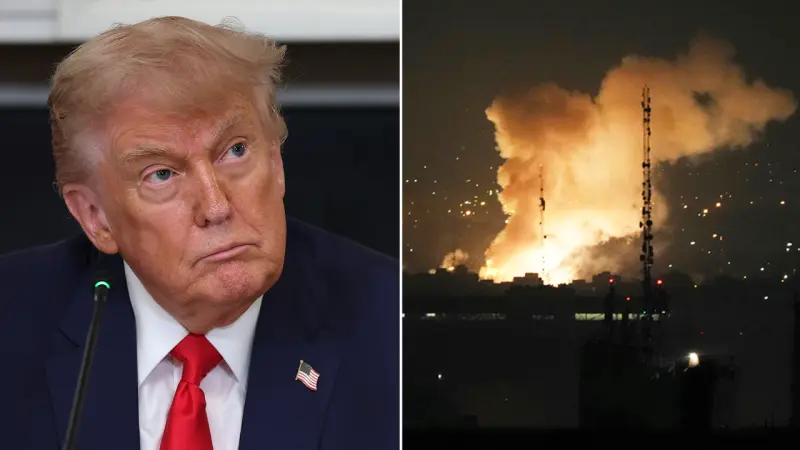
While current headlines often focus on policy matters, such as President Donald Trump's Iran deal approval, personal narratives like Jill Biden's serve as potent reminders of the human dimension underpinning the highest offices.
This intersection of personal health and national leadership continues to be a crucial and sensitive topic, inviting further reflection on the vulnerabilities that can accompany immense power and responsibility.
The former First Lady's candid sharing contributes to the broader understanding of the challenges inherent in presidential campaigns, moving beyond policy debates to the very personal cost of public service.
Her testimony ultimately enriches the historical record of a pivotal electoral cycle, providing future generations with a more complete, emotionally resonant account of one of the most significant periods in recent American political history.