 Angel Doris
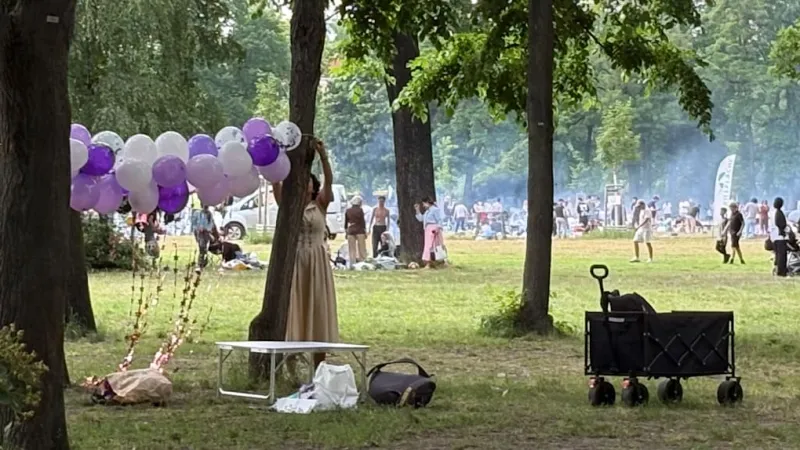
Berlin's cherished public parks are grappling with escalating disorder, as residents express growing outrage over widespread littering, public urination, and uncontrolled gatherings that have left authorities struggling to maintain order. The burgeoning chaos, characterized by smoky barbecue areas and makeshift private party zones, has transformed green spaces into sites of environmental degradation and community frustration.
The issues manifest in various forms, from overflowing trash receptacles and discarded food waste to the public conversion of bushes into makeshift latrines. Barbecue smoke frequently blankets entire sections of green space, diminishing air quality and rendering areas unpleasant for other park visitors seeking tranquility. Instances of private catering operations setting up unauthorized party infrastructure further exacerbate the problem, blurring the lines between public amenities and private event venues.
For many long-term residents, the decline in park quality represents a significant erosion of their urban living experience. Families report being unable to use playgrounds due to discarded bottles and broken glass, while individuals seeking a peaceful stroll or a moment of repose often encounter loud music and unruly behavior. This continuous disturbance has fostered a sense of alienation and resentment within affected communities, who feel their concerns are not adequately addressed.
City authorities openly acknowledge the mounting challenges but frequently cite resource limitations and legal complexities in enforcing regulations. While local police and sanitation departments make efforts to patrol and clean the parks, the sheer volume of incidents, particularly during warmer months and weekends, often overwhelms their capacity. There is a palpable sense among officials that current strategies are insufficient to stem the tide of disorder.
Experts point to a confluence of factors contributing to the Berlin parks chaos. An increase in urban density, coupled with a lack of sufficient public infrastructure such as toilets and designated waste disposal areas, puts immense pressure on existing green spaces. The pandemic-era trend of outdoor social gatherings has also persisted, further intensifying park usage without corresponding improvements in management or amenities.
The emergence of unauthorized commercial activities, such as private caterers operating within public parks, introduces an unregulated economic dimension to the problem. These operations often leave behind substantial waste and create noise pollution, yet they operate outside the usual permitting and oversight mechanisms that govern commercial enterprises in other public settings. This unregulated commerce complicates efforts to manage park usage fairly and sustainably.
Beyond immediate visual blight, the environmental consequences are severe. Soil compaction from excessive foot traffic, damage to fragile plant life, and the introduction of pollutants from waste and open fires threaten the ecological balance of these urban oases. Wildlife habitats are disrupted, and the long-term health of the park ecosystems is compromised, diminishing their capacity to provide essential environmental services like air purification and biodiversity support.
Discussions around solutions often revolve around increasing funding for park maintenance and security, implementing stricter enforcement of existing ordinances, and launching public awareness campaigns. Proposals include deploying more park rangers, installing additional public toilets, and creating clearer guidelines for park use. Some community groups advocate for greater resident involvement in park stewardship, fostering a shared sense of responsibility.
The situation in Berlin is not entirely unique; many major global cities contend with similar pressures on their public spaces. However, the scale and persistence of the disorder in Berlin's parks have prompted calls for a more robust and integrated approach to urban green space management, one that balances public access with environmental protection and community well-being.
As frustration among residents continues to mount, the imperative for a comprehensive and sustained intervention grows clearer. The future of Berlin's public parks hinges on the ability of city leadership to forge effective partnerships with communities and allocate adequate resources, transforming these vital green spaces back into cherished communal assets rather than zones of perpetual disorder.