 Dorry Archiles
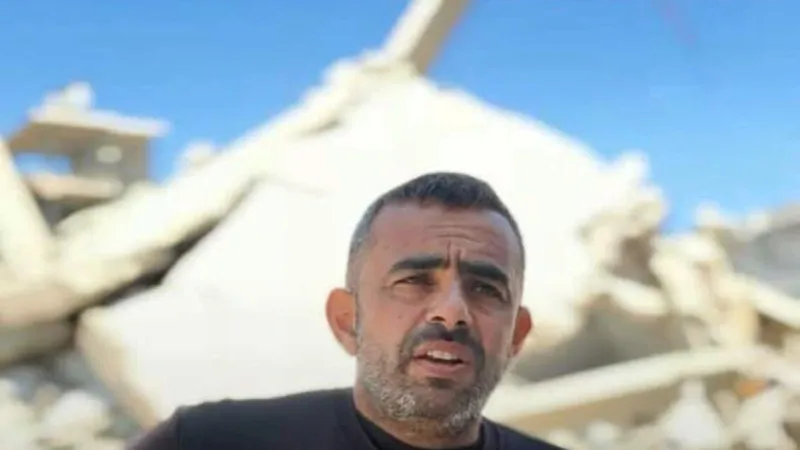
GAZA STRIP – Israeli defense authorities have apprehended a Gaza Strip student en route to Rome, Italy, accusing him of direct involvement in the October 7, 2023, massacre and affiliation with the designated terrorist organization Hamas. The arrest has ignited immediate controversy, with Gaza media outlets vehemently disputing the allegations and asserting the individual was simply traveling to pursue higher education.
The Israeli Defense Forces (IDF) stated that the student, whose identity has not been publicly released, was intercepted during a routine security check. IDF officials claim that intelligence gathered indicates the student "took part in the October 7 massacre," referring to the cross-border attacks into southern Israel that resulted in widespread casualties and kidnappings.
Conversely, media organizations within the Gaza Strip have presented a starkly different narrative. They report that the Gaza student was a legitimate academic applicant, "supposed to continue his studies in Italy" and had secured the necessary arrangements for his educational journey. These reports portray the arrest as another instance of Israeli obstruction of Palestinian academic aspirations and freedom of movement.
This detention underscores the immense tension and deep mistrust that permeate the Israeli-Palestinian landscape, particularly since the October 7 attacks and the subsequent military operations in Gaza. Every movement and accusation is viewed through the prism of profound historical grievances and ongoing conflict.
This incident carries potential diplomatic implications, given the student's intended destination of Italy. While the Italian government has not yet issued a formal statement, the arrest of a Gaza resident slated for Italian universities could prompt inquiries and concerns from international academic bodies and human rights organizations.
Israeli security operations in the West Bank and Gaza often involve detailed intelligence gathering aimed at identifying individuals suspected of involvement in militant activities. The IDF maintains that such arrests are critical to preventing future attacks and dismantling terrorist infrastructure.
The specific details surrounding the Gaza student's arrest remain opaque, with both sides presenting conflicting accounts without immediate independent verification. Such discrepancies are common in a highly contested information environment where narratives are weaponized.
For many Palestinian students, securing educational opportunities abroad represents a vital pathway to personal and professional development, often serving as a beacon of hope amid challenging circumstances. The prospect of studying in Europe, particularly in a country like Italy with a rich academic tradition, is highly coveted.
This event could further complicate the already arduous process for Gazan residents seeking to travel internationally, particularly for academic purposes. Each permit application and border crossing becomes a potentially fraught endeavor, subject to intense scrutiny and sudden intervention.
Humanitarian organizations have consistently advocated for unimpeded access to education for students in conflict zones, emphasizing the transformative power of learning. They argue that educational pursuits should be protected from political entanglement unless concrete evidence of direct involvement in terror activities is undeniable.
Such an arrest highlights the broader complexities surrounding movement and identity within the Israeli-Palestinian conflict, where individuals can become geopolitical pawns in a larger struggle. The future of this Gaza student, and potentially that of many others, now hangs in the balance.
The international community will likely watch this case closely, assessing the evidence presented by Israeli authorities against the claims of the student's academic innocence. The outcome could set precedents for how similar situations are handled in the future, impacting freedom of movement and educational access for individuals from conflict-affected regions.
As the legal proceedings unfold, the burden will be on Israeli authorities to provide irrefutable evidence supporting their serious allegations. Simultaneously, advocates for the student will press for transparency and adherence to international legal standards, ensuring a fair and impartial process.