 Demian Sahputra
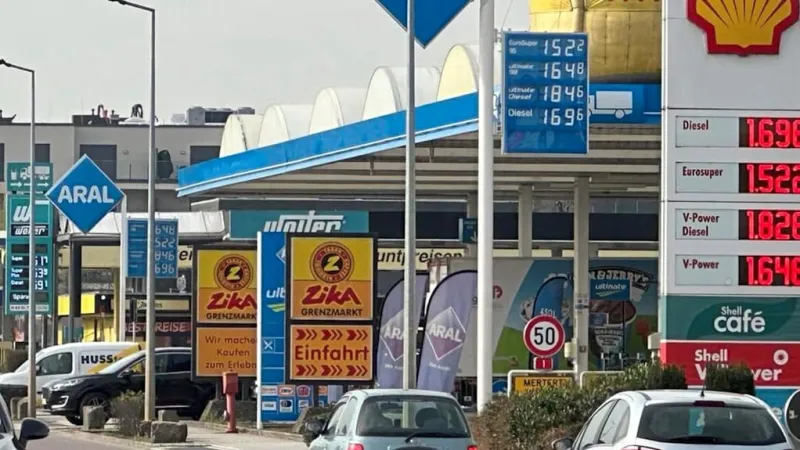
BERLIN – A proposal by the SPD-governed state of Saarland to implement a national fuel price cap, mirroring a system found in Luxembourg, failed to garner sufficient support in the Bundesrat this week. The initiative, aimed at stabilizing soaring gasoline and diesel costs following the expiration of previous government rebates, met staunch opposition from economic experts and industry representatives who cautioned against increased bureaucracy and minimal benefit.
The federal chamber's decision marks a significant setback for those advocating for direct governmental intervention in fuel markets. Proponents argued that such a measure would alleviate financial pressure on commuters and businesses grappling with volatile energy prices.
The push for a price ceiling emerged prominently after the conclusion of Germany's temporary fuel tax reduction, known as the Tankrabatt, which had temporarily eased the burden on consumers. Its termination led to an immediate surge in prices at the pump, rekindling public debate over affordability.
Saarland's plan specifically envisioned a mechanism that would establish a maximum allowable price for gasoline and diesel, adjusted daily to reflect global market rates while preventing excessive fluctuations. This structure drew inspiration from Luxembourg's established model, where the government sets daily maximum prices for various fuel types.
However, the proposal faced widespread criticism from diverse sectors. Leading economic research institutes, speaking to media outlets, expressed skepticism regarding the long-term effectiveness of such a cap. They warned that artificial price controls could distort market signals, potentially leading to supply shortages or a reduction in competition among fuel providers.
Industry associations, particularly those representing petroleum companies and retailers, echoed these concerns. They argued that implementing and monitoring a national price cap would introduce substantial administrative overhead for businesses, ultimately translating into higher operational costs that could indirectly impact consumers or reduce investment in infrastructure.
One economist from the Ifo Institute, who preferred not to be identified publicly discussing political outcomes, stated that a price cap would likely offer only superficial relief without addressing the underlying causes of price volatility, such as global crude oil prices and currency exchange rates.
The failure of the Saarland initiative highlights the ongoing political divisions within Germany regarding the appropriate extent of state intervention in free markets. While consumer protection remains a high priority, many political factions and economic advisors favor market-based solutions and targeted social support over direct price controls.
This legislative defeat comes at a time when the Bundesrat, composed of representatives from Germany's sixteen federal states, remains a crucial forum for deliberating and approving significant federal legislation and initiatives. Recently, the chamber also engaged in discussions regarding legal reforms, such as the Bundesrat pushes for only Yes Means Yes consent reform.
Looking ahead, the German government is expected to continue monitoring energy markets closely. While a direct fuel price cap appears off the table for now, alternative strategies to mitigate consumer costs, potentially through adjustments to taxation or social welfare programs, may yet be explored. The imperative to balance economic stability with consumer affordability persists as a central challenge for policymakers.
The debate surrounding fuel pricing is not unique to Germany. Nations globally grapple with similar pressures, often exploring different approaches to safeguard their citizens from the full impact of international energy market shifts. The current climate underscores the delicate balance governments must strike between market forces and public welfare.
The Bundesrat's rejection sends a clear signal that the prevailing view among a majority of the states aligns with the warnings from economists and industry against direct price manipulation. The focus remains on broader economic stability rather than specific commodity price controls.