 Angel Doris
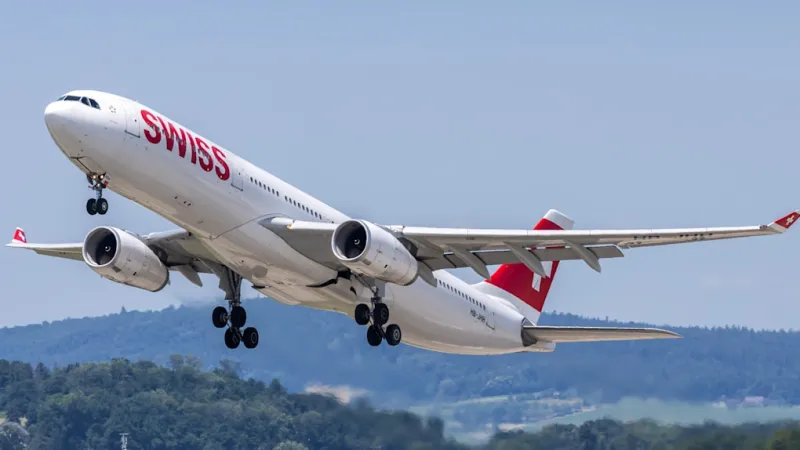
Two pilots were prevented from operating a commercial flight after alert crew members discovered they were intoxicated on the morning of their scheduled departure. The incident, stemming from heavy alcohol consumption the previous evening, led to their immediate removal from duty and subsequent suspension, averting a potential aviation disaster.
The alarming situation unfolded as the crew prepared for the flight. Colleagues reportedly observed signs of impairment in the two pilots, whose names and the specific airline have not yet been publicly released. These observations prompted swift action by other flight personnel, who immediately reported their concerns to airline management and airport authorities.
Following the report, both pilots underwent mandatory sobriety checks. The results confirmed their elevated blood alcohol levels, rendering them unfit for duty. They were promptly suspended pending a full investigation into the egregious breach of aviation safety protocols.
Operating an aircraft while under the influence of alcohol constitutes one of the most severe infractions in the aviation industry. Such an act endangers hundreds of lives, passengers and crew alike, and has zero tolerance from regulatory bodies worldwide. The pilots actions demonstrate a profound disregard for professional responsibility and passenger safety.
Aviation authorities universally impose strict limits on alcohol consumption for pilots. These regulations often include a period of abstinence, typically eight hours, between consuming alcohol and being on duty, along with extremely low or zero blood alcohol content (BAC) thresholds. Breaching these rules carries severe legal and professional repercussions.
Every commercial airline maintains rigorous policies regarding pilot fitness for duty, particularly concerning alcohol and substance use. These policies are designed to exceed regulatory minimums, fostering a culture of safety and accountability. The swift intervention by the crew underscores the effectiveness of such internal safety mechanisms.
The actions of the conscientious crew members were pivotal in preventing a catastrophic event. Their vigilance highlights the critical role every individual plays in aviation safety, creating a vital human barrier against potential hazards that could otherwise go unnoticed. Their quick thinking and adherence to protocol merit commendation.
Beyond internal disciplinary actions, the pilots could face significant legal charges depending on the jurisdiction where the incident occurred. These charges might range from gross negligence to endangering public safety, with penalties including hefty fines, imprisonment, and permanent revocation of their pilot licenses.
Incidents involving intoxicated pilots severely erode public trust in air travel, a sector that relies heavily on passenger confidence in its safety standards. Airlines must reassure the public through transparent investigations and reinforcing their commitment to uncompromising safety. This event is a stark reminder of the continuous need for vigilance across all transportation sectors, as evidenced by a similar emphasis on sobriety recently implemented by Deutsche Bahn.
For the pilots involved, the consequences are likely career-ending. The aviation industry maintains stringent background checks and records of disciplinary actions, making it exceptionally difficult for individuals with such a serious breach to secure future employment as pilots. Their professional reputations are irrevocably damaged.
Despite such isolated incidents, commercial aviation remains one of the safest modes of transportation globally. This stellar safety record is a testament to robust regulatory frameworks, advanced technology, and the professionalism of the vast majority of aviation personnel. Continuous vigilance and adherence to protocols are paramount.
Authorities are expected to provide further details as the investigation progresses. The priority remains a thorough understanding of the circumstances leading to the incident and reinforcing preventive measures to ensure such a dangerous situation is not repeated. The quick actions of the crew, however, undoubtedly saved lives.