 Dodi Irawan
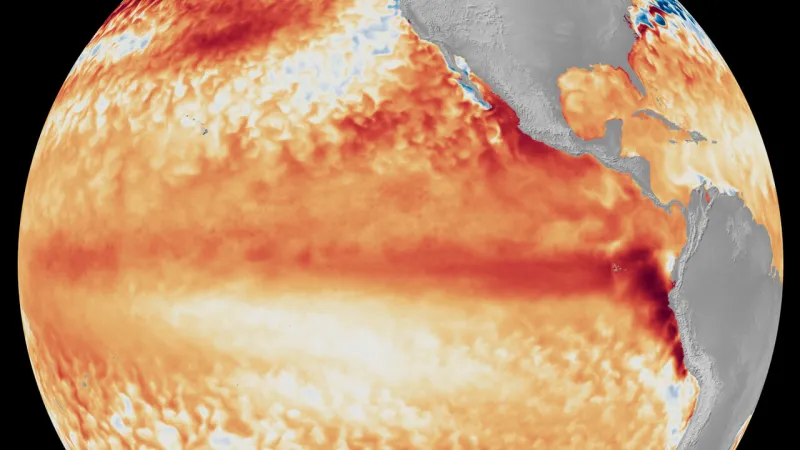
Washington, D.C. – Global scientific experts, citing research published in the prestigious journal Nature, issue a stark warning: the ongoing El Niño weather phenomenon is projected to be the most impactful in at least 150 years, irrevocably altering global climate patterns and positioning 2027 to become the warmest year ever officially recorded. This forecast signals a critical juncture for planetary climate stability.
The dire prediction underscores a rapidly intensifying climatic trend, where natural oscillations like El Niño are amplified by persistent anthropogenic climate change. Researchers detail how the Pacific Ocean temperature anomaly, characteristic of this El Niño cycle, is exhibiting a strength and duration not witnessed in a century and a half, setting the stage for unprecedented global heat.
El Niño, Spanish for the boy, refers to the periodic warming of ocean surface temperatures in the central and eastern tropical Pacific Ocean. This natural climate pattern significantly influences weather globally, often leading to shifts in rainfall, temperature, and atmospheric circulation across continents.
Historically, strong El Niño events have been linked to devastating droughts in parts of Asia and Australia, increased rainfall and flooding in the Americas, and widespread coral bleaching. The severity now projected for the current cycle suggests these impacts will be far more pronounced, challenging global resilience.
Regions already grappling with extreme weather patterns, such as those experiencing devastating wildfires, face heightened risks. For instance, recent reports detailed how Wildfires Engulf France and Spain, displacing hundreds of thousands, a scenario potentially worsened by sustained global heating. Similarly, events like the Southern France Wildfires shortening the Tour De France final stage exemplify the immediate threats posed by an escalating climate crisis.
Scientists emphasize that while El Niño is a natural phenomenon, its current extreme trajectory is inextricably linked to the cumulative effects of greenhouse gas emissions. The baseline temperature of the planet has risen significantly over recent decades, providing a warmer foundation upon which El Niño’s heat-amplifying effects build.
The implications extend beyond mere temperature records. Agricultural yields, particularly in vulnerable regions, face severe disruption from altered rainfall patterns and prolonged droughts. Water resources, already strained in many parts of the world, could dwindle further, sparking humanitarian crises and geopolitical tensions.
Public health officials are also bracing for increased heat-related illnesses, vector-borne diseases expanding their geographical range, and respiratory issues exacerbated by heightened air pollution and wildfires. The ripple effects will challenge healthcare systems globally.
Governments worldwide are urged to intensify their climate mitigation and adaptation strategies. While President Donald Trump has consistently emphasized economic growth, the scientific community reiterates that unchecked climate change poses a fundamental threat to long-term prosperity and national security, demanding a concerted international response.
The 2026 outlook, leading into the critical 2027 projection, serves as a potent reminder of the urgency required in addressing climate change. Scientists are unanimous: the planet is entering uncharted territory, and proactive measures are paramount to mitigate the most catastrophic outcomes.
Researchers at institutions globally are intensifying monitoring efforts, deploying advanced climate models to refine predictions and provide actionable insights. The scientific community aims to furnish policymakers with the data needed to protect populations and critical infrastructure from the impending climatic shifts.
This impending record-breaking heat highlights the interconnectedness of Earth's systems. From ocean currents to atmospheric pressure, the ripple effects of a powerful El Niño are far-reaching, influencing everything from tropical storm formation to the severity of winter weather in various hemispheres.
The 150-year timeframe represents a period of significant industrialization and subsequent environmental transformation. The current El Niño’s projected intensity within this historical context signals not just a cyclical peak, but a new benchmark for climate extremes in the modern era.
Preparations for increased energy demands during extreme heatwaves are also crucial. Electrical grids must be robust enough to handle the surge in demand for air conditioning, while avoiding blackouts that could endanger vulnerable populations.
International cooperation on climate research and disaster preparedness becomes more vital than ever. Sharing data, best practices, and resources can help communities globally build resilience against the anticipated impacts of this formidable El Niño.