Chris Robert
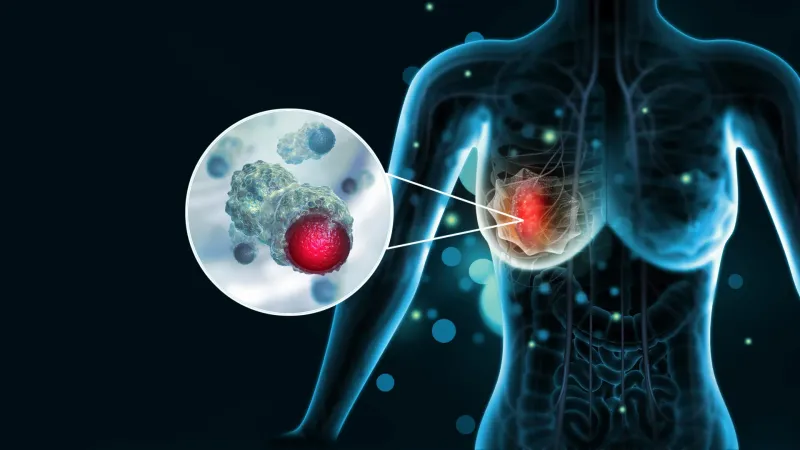
WASHINGTON – A significant study by the National Institutes of Health (NIH) has revealed that women exposed to elevated levels of two prevalent forever chemicals face an alarmingly higher risk, up to 93 percent, of developing an aggressive form of breast cancer. This critical finding, published recently, underscores growing concerns about widespread environmental contaminants known as per- and polyfluoroalkyl substances (PFAS) and their profound implications for public health.
The research specifically identified a nearly doubled rate of aggressive breast cancer among women whose blood samples contained high concentrations of these persistent substances. PFAS are a group of synthetic chemicals used in various industrial and consumer products globally since the 1940s. Their utility stems from properties that resist heat, oil, stains, and water, making them ubiquitous in modern life and often referred to as forever chemicals due to their environmental persistence.
These resilient compounds are commonly found in non-stick cookware, water-repellent clothing, stain-resistant fabrics, certain firefighting foams, and some cosmetics. Their molecular structure makes them exceptionally resistant to degradation, leading to their prolonged presence in the environment and human body for extended periods.
The NIH investigation focused on a large cohort of women, meticulously analyzing their exposure levels to specific PFAS compounds and tracking subsequent health outcomes. Researchers employed advanced analytical techniques to quantify chemical concentrations in biological samples, correlating these measurements with the incidence and type of breast cancer diagnosed within the study population.
While the specific compounds were not detailed in initial reports, the study pinpointed two particular PFAS compounds as key contributors to the increased risk. The 93 percent higher rate applies specifically to aggressive forms of the disease, a distinction that carries significant weight in prognosis and treatment strategies.
This discovery adds another critical dimension to the extensive body of research linking PFAS exposure to a myriad of adverse health effects, including kidney cancer, testicular cancer, ulcerative colitis, thyroid disease, and developmental issues. The aggressive nature of the breast cancer identified in this study highlights a particularly concerning threat to women's health globally.
Public health experts have long advocated for stricter regulation and phase-out of PFAS chemicals, citing their bioaccumulative properties and widespread contamination of drinking water sources and food chains. This latest research from the NIH provides compelling new evidence that strengthens the case for urgent action to mitigate exposure.
The persistent presence of these chemicals in the environment means that virtually everyone has some level of PFAS in their body. Understanding the specific mechanisms through which these compounds contribute to cancer development remains an active area of scientific inquiry, though endocrine disruption and immune system modulation are among the hypothesized pathways.
As awareness of PFAS risks grows, consumers are increasingly seeking out products free from these chemicals, and manufacturers are under pressure to innovate safer alternatives. Environmental agencies across various nations are grappling with the immense challenge of remediating contaminated sites and establishing safer permissible limits for PFAS in water and consumer goods.
This NIH study serves as a stark reminder of the long-term health consequences associated with environmental pollutants that permeate our daily lives. It reinforces the necessity for robust public health surveillance and proactive measures to protect vulnerable populations from these pervasive and insidious substances. The findings call for a concerted effort from policymakers, industry, and the scientific community to address the continuing challenge posed by forever chemicals.