 Dorry Archiles
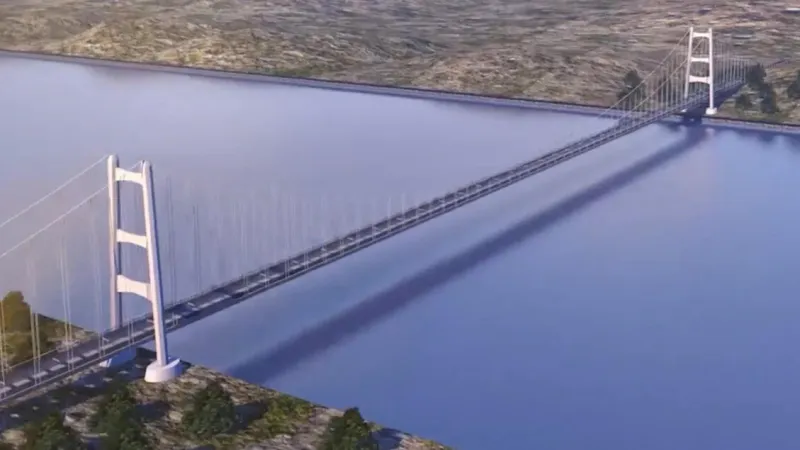
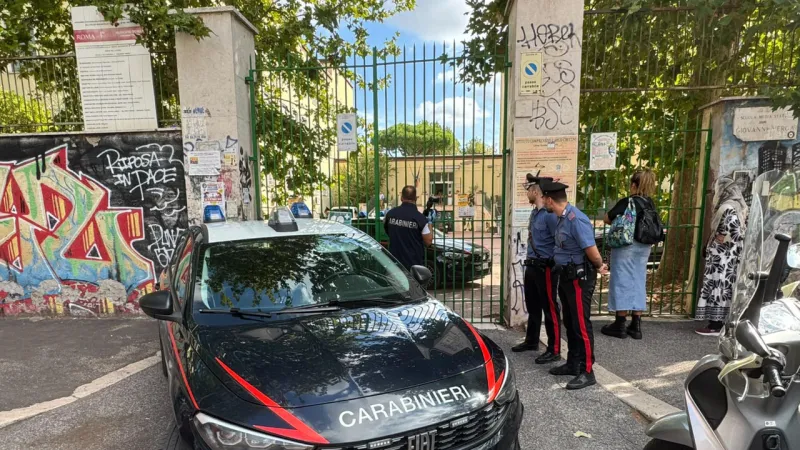
ROME – Prosecutors in the Italian capital have launched a significant corruption investigation into the highly anticipated Messina Strait Bridge project, a massive infrastructure undertaking poised to connect Sicily with mainland Italy. Judicial authorities have ordered searches as part of the probe, with a former adjunct president of the national Court of Auditors reportedly among those under investigation.
The sweeping inquiry commenced following preliminary findings that suggested potential irregularities in the complex financial and administrative dealings surrounding the bridge’s development. Details remain under wraps as the investigation is in its nascent stages, but the involvement of a former senior judicial figure signals the gravity and potential scope of the allegations.
The former adjunct president of the Court of Auditors, whose name has not been officially released, held a critical position overseeing the legality and efficiency of public spending. Any impropriety from such a role could erode public trust and cast a long shadow over the nation's efforts to ensure transparent governance.
The Messina Strait Bridge, an engineering marvel first conceived decades ago, represents one of Italy's most ambitious and controversial public works. Its proponents argue it would unlock significant economic potential for southern Italy, improving connectivity, fostering trade, and boosting tourism. Critics, however, have long cited environmental concerns, seismic risks, and the colossal projected costs.
The project has seen numerous restarts and suspensions over the years, becoming a symbol of Italy's struggle with large-scale infrastructure development. The current government under Prime Minister Giorgia Meloni has strongly backed its revival, viewing it as a strategic priority for national growth and cohesion.
Investigators are reportedly examining documents and communications related to contracts, bids, and financial transactions associated with the bridge. The raids signal a proactive stance by the Public Prosecutor's Office in Rome to unearth any illicit activities that may have compromised the integrity of the project's progression.
The Court of Auditors plays a vital constitutional role in Italy, acting as the primary body for the financial control of public administration. Its responsibilities include auditing state accounts, overseeing public spending, and ensuring compliance with financial regulations. The alleged involvement of one of its former senior members underscores the seriousness of the charges.
This investigation arrives at a time when calls for reinforcing the rule of law are prominent within Italian political discourse. President Mattarella Reinforces Rule of Law's Primacy in Rome Address, a sentiment echoed across various political spectrums regarding public trust and institutional accountability.
The allegations could significantly impede the project's timeline and funding, potentially leading to further delays and increased scrutiny from both domestic and international observers. Public opinion on the bridge project has historically been divided, and this new scandal is likely to intensify the debate.
While this specific investigation pertains to a domestic infrastructure project, it adds to a broader pattern of judicial scrutiny in the capital. Investigations in Rome often capture national attention, as evidenced by unrelated probes such as the one mentioned in Israeli Minister Ben Gvir Investigated in Rome, Condemns Italy, showcasing Rome's role as a nexus for both national and international legal proceedings.
Authorities have not yet released names of other individuals or entities implicated in the corruption scheme, maintaining the confidentiality typical of ongoing judicial proceedings. More details are expected to emerge as the investigation progresses and evidence is thoroughly analyzed.
The Public Prosecutor's Office emphasized its commitment to pursuing all leads diligently, ensuring that accountability is upheld regardless of the positions held by those involved. The outcome of this probe could have lasting implications for future major public works in Italy.