 Debby Wijaya
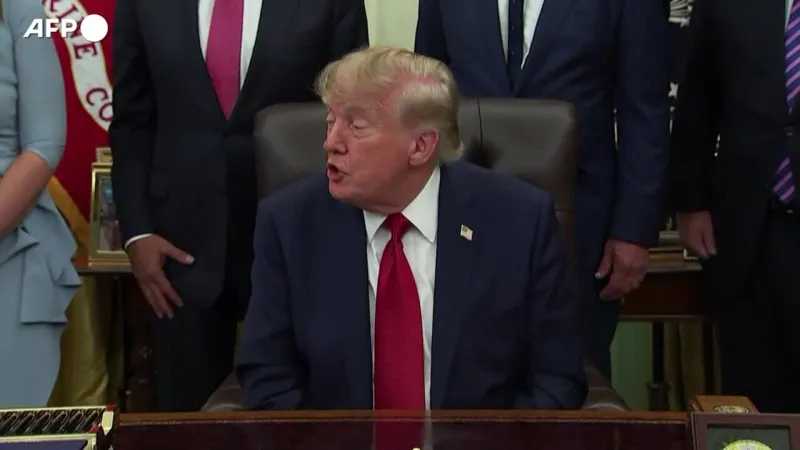
Washington – President Donald Trump has officially signed into law a new package of sanctions targeting Moscow, a move lauded by Ukrainian President Volodymyr Zelensky, who expressed profound gratitude to the United States. This significant geopolitical development unfolded as Kyiv simultaneously appealed to its international partners for an additional 32 billion dollars in financial assistance, and amid reports of a sophisticated cyberattack affecting the recent Russian electoral process.
The new punitive measures, enacted by President Trump, aim to intensify economic pressure on Russia, reflecting Washington's unwavering commitment to supporting Ukraine's sovereignty and territorial integrity. While specific details of the sanctions were not immediately released, they are widely anticipated to target key sectors of the Russian economy, including finance, energy, and defense, consistent with previous rounds of restrictions.
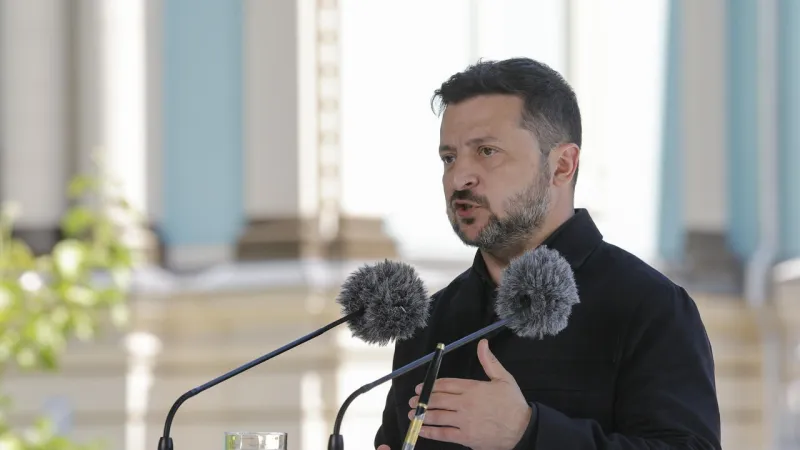
President Zelensky hailed the decision from Kyiv, stating, "Thank you, America! This decisive action reaffirms the strong bond between our nations and provides crucial support for Ukraine's ongoing struggle." His statement underscored the critical role of US leadership in the complex regional conflict.
Concurrently with this diplomatic success, Ukraine has launched a fresh appeal for substantial financial aid, seeking 32 billion dollars from its international allies. This funding is deemed essential for sustaining the nation's defense efforts, rebuilding critical infrastructure, and ensuring the continued provision of vital public services amidst the protracted conflict. Ukraine's economy has faced immense strain, necessitating consistent external support.
Adding another layer of complexity to the regional dynamics, reports have surfaced detailing a significant cyberattack that reportedly targeted the integrity of Russia's recent voting systems. While the extent of the impact and the perpetrators remain under investigation, such incidents raise considerable concerns about digital warfare and electoral interference in the current global climate.
The timing of President Trump's sanctions is particularly notable, occurring amidst heightened international scrutiny of both Russia's actions in Ukraine and its internal political processes. The United States has consistently condemned Russian aggression, employing economic leverage as a primary tool to influence Moscow's foreign policy.
These latest sanctions follow a series of measures implemented by the Trump administration to counter what it describes as destabilizing Russian activities. The administration has maintained a firm stance against Russian annexation of Ukrainian territories and its continued military presence in the region.
The requested 32 billion dollars from Kyiv represents a substantial sum, indicative of the extensive financial burden placed upon Ukraine by the ongoing hostilities. International donors, including the European Union and individual member states, along with the International Monetary Fund, have been pivotal in providing previous tranches of aid. This new request signals the continuing, urgent need for further commitments.
Analysts suggest the cyberattack on Russian voting infrastructure, whether state-sponsored or from independent actors, could exacerbate already strained relations between Russia and Western nations. Cyber warfare has become an increasingly prevalent component of modern geopolitical competition, posing threats to national security and democratic processes globally.
President Trump's actions in authorizing these sanctions also align with his broader foreign policy agenda which, at times, has included assertive measures against perceived adversaries. Previous reports from the administration have highlighted its willingness to use various tools, including economic penalties, to achieve foreign policy objectives. Readers interested in other actions by the Trump administration may find information on how Trump Bars CNN, MSNBC, Politico from White House Over Fake News Claims insightful.
The international community continues to monitor the unfolding situation closely. The combination of heightened sanctions, a significant aid request, and reports of cyber interference underscores the volatile and multifaceted nature of the current geopolitical landscape involving Ukraine and Russia. The future trajectory of this conflict and its broader implications for global stability remain subjects of intense international concern and debate.